China has strongly criticized the United States over its blockade of Iranian ports, calling the move “dangerous and irresponsible” and warning it could escalate tensions and undermine ongoing ceasefire efforts in the region.
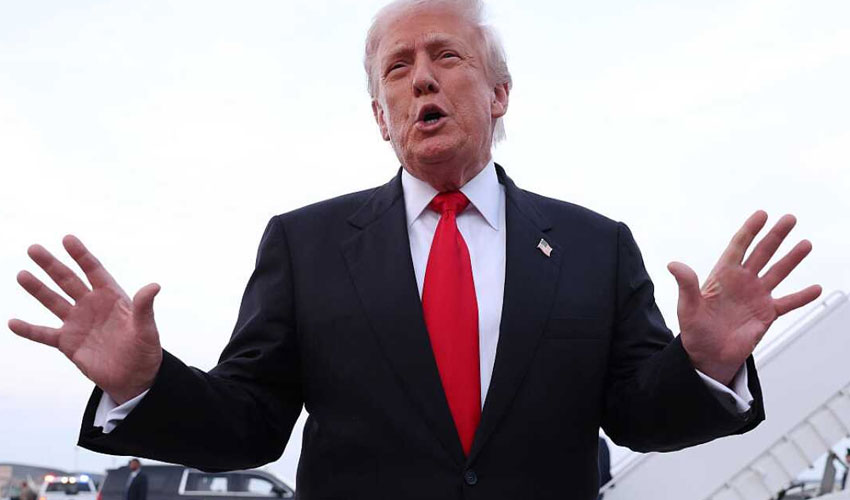
China on Tuesday denounced the US decision to impose a naval blockade around Iranian ports in the Strait of Hormuz, following threats by US President Donald Trump to sink vessels attempting to dock or leave.
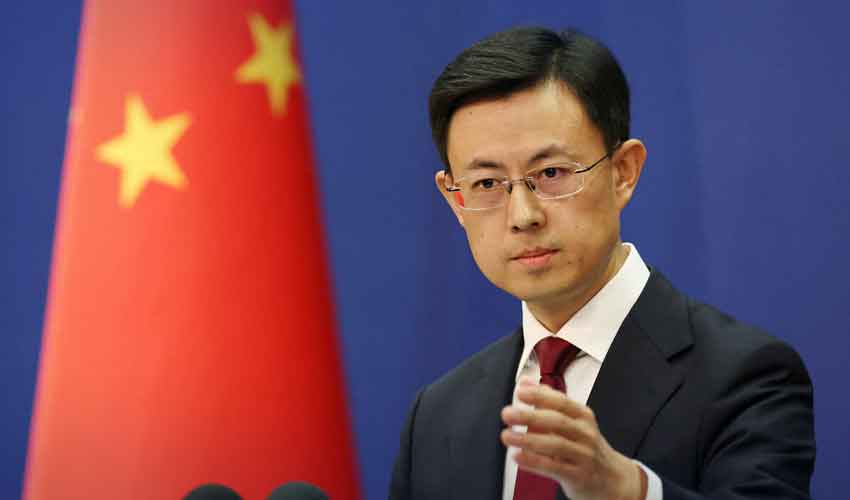
Chinese Foreign Ministry spokesperson Guo Jiakun said the move, coupled with increased US military deployments, would “only exacerbate tensions” and undermine the already fragile ceasefire agreement.
“This is dangerous and irresponsible behavior,” he said during a press conference in Beijing.
The US blockade came into force at 1400 GMT on Monday, just days after Washington and Tehran agreed to a two-week ceasefire following weeks of conflict.
Also Read: US-Iran talks may resume in Islamabad soon
The measure followed the collapse of high-level peace talks held in Islamabad over the weekend—the most significant engagement between the US and Iran since their diplomatic ties broke in 1979.
The talks failed to produce a breakthrough, prompting Washington to escalate pressure through military means.
Strait of Hormuz at center of global concern
The Strait of Hormuz, a critical global shipping route through which nearly one-fifth of the world’s oil passes, remains at the center of the crisis.
Iran had already restricted access to the strait, allowing only vessels from countries it considers friendly -- such as China -- to pass through.
Analysts say the US blockade aims to cut off Iran’s revenue streams and pressure Beijing, the largest buyer of Iranian oil, to push Tehran into reopening the waterway.
China calls for ceasefire and dialogue
Beijing emphasized that only a comprehensive ceasefire can ease tensions in the region and restore stability.
Guo urged all parties to abide by the ceasefire agreement, focus on dialogue and negotiations, and take concrete steps to de-escalate the situation and restore normal navigation through the strait.
Chinese President Xi Jinping also stressed the importance of respecting national sovereignty in the Gulf and Middle East, pledging that China would continue to play a “constructive role” in promoting peace.
Also Read: China urges restraint over US blockade of Hormuz, backs talks
Xi made these remarks during a meeting with Abu Dhabi Crown Prince Sheikh Khaled bin Mohamed bin Zayed Al Nahyan in Beijing.
Tariff tensions add to diplomatic strain
The situation is further complicated by rising trade tensions between Washington and Beijing.
Trump has threatened to impose a 50% tariff on Chinese goods if China is found to be providing military assistance to Iran during the conflict.
In response, China warned it would take “resolute countermeasures” if the US proceeds with additional tariffs, rejecting claims that it has supplied weapons to Iran as “completely fabricated.”
Guo Jiakun reiterated that China maintains strict controls over military exports and adheres to international obligations.
Iran calls blockade violation of sovereignty
Iran has strongly opposed the US move, with its ambassador to the United Nations describing the blockade as a “grave violation” of the country’s sovereignty.
The blockade has raised concerns about maritime safety and the broader impact on global trade and energy markets.
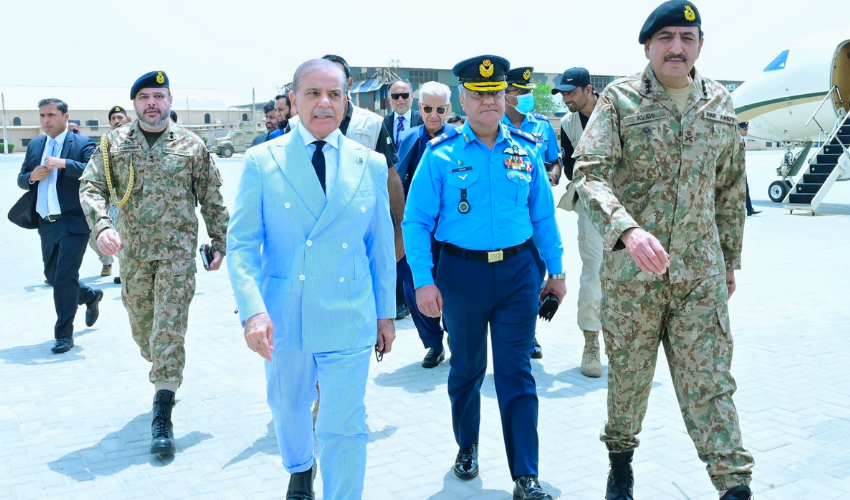
Amid the escalating crisis, Pakistan remains engaged in diplomatic efforts to resolve the conflict. Prime Minister Shehbaz Sharif reaffirmed that Islamabad will continue working to bridge differences between the US and Iran and push toward a final resolution.
The blockade marks a sharp escalation in the conflict, introducing uncertainty over how far the US may go to enforce it and how Iran might respond.
Given China’s reliance on Iranian oil and the strategic importance of the Strait of Hormuz, the situation carries significant implications for global energy supplies and economic stability.
With more than 3,300 people killed since the conflict began on February 28, according to reports, international pressure is mounting for a diplomatic solution.


.jpg)