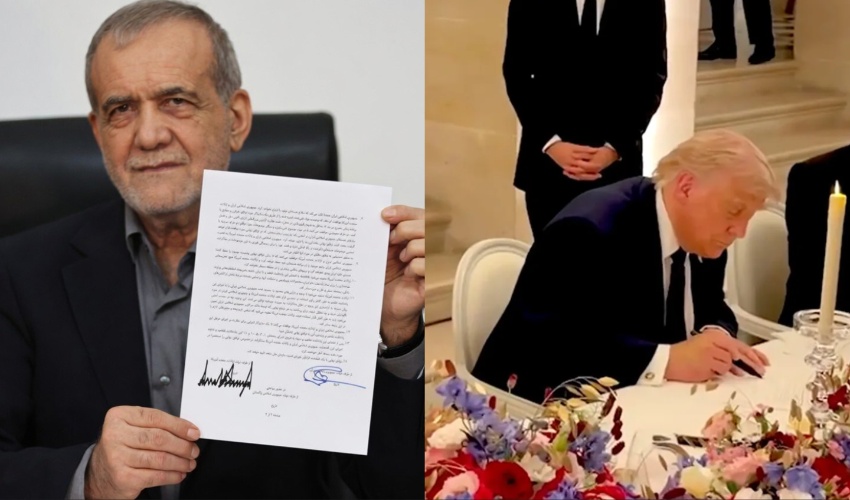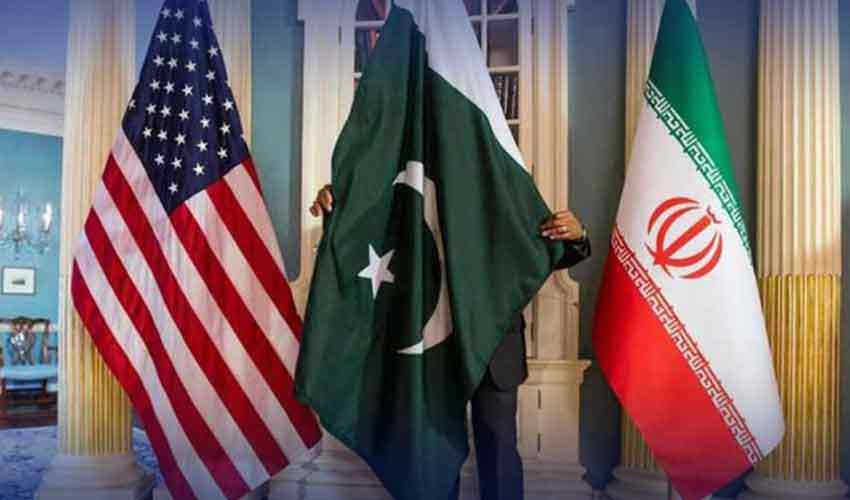
Pakistan has stepped into a pivotal diplomatic role as it hosts high-stakes US-Iran talks aimed at turning a fragile ceasefire into a permanent peace agreement in the Middle East.
Delegations from Washington and Tehran are arriving in Islamabad tonight, with direct negotiations set to begin on Friday morning.
The US delegation is being led by Vice President JD Vance, accompanied by Special Representative Steve Witkoff and senior adviser Jared Kushner.
On the Iranian side, Foreign Minister Abbas Araqchi and Parliamentary Speaker Baqir Qalibaf will represent Tehran.
Permanent ceasefire, 10-point proposal
The talks are aimed at transforming the current two-week temporary ceasefire into a lasting peace arrangement. According to Iranian Ambassador to Pakistan Reza Amiri Moqadam, discussions will center around Iran’s 10-point proposal.
These proposals are expected to form the basis of negotiations between the two sides.
With the world watching closely, Islamabad has become the focal point of international diplomacy. The outcome of these talks could significantly shape the future of peace and stability in the Middle East.
Key agenda: ceasefire, Strait of Hormuz, nuclear issue
The ceasefire agreement between the US and Iran was achieved on ten key points, paving the way for direct negotiations. Iran has promised to reopen the Strait of Hormuz, a critical global oil route, as part of the ongoing diplomatic efforts.
US officials have reiterated that Iran will not be allowed to acquire nuclear weapons under any circumstances.
Extraordinary security measures
Unprecedented security arrangements have been implemented across Islamabad and Rawalpindi. More than 5,000 police personnel have been deployed, while law enforcement and intelligence agencies are on high alert.
The Red Zone and surrounding sensitive areas have been completely sealed, with strict restrictions on movement.
Authorities have declared a public holiday in both Islamabad and Rawalpindi for two days to facilitate the talks. All types of traffic, except government vehicles, are banned from entering the Red Zone.
Entry into the extended Red Zone has also been restricted, and all routes within the area are fully closed.
Major traffic diversions
Traffic police have issued detailed alternative routes to manage movement during the lockdown. Traffic from GT Road Peshawar to Rawalpindi has been diverted to Taxila Motorway, Chakri, Chak Bailey Road, and Rawat.
Those traveling from GT Road Lahore to Peshawar are advised to use Rawat, Chak Bailey Road, Chakri, and Taxila Motorway. Commuters from F-6, G-5, G-6, and Margalla Road heading to Rawalpindi should use 9th Avenue.
Traffic from Faisal Avenue to Zero Point will also be diverted to 9th Avenue. People traveling from Bhara Kahu to Rawalpindi are advised to use Korang Road, Bani Gala, and Lehtrar Road.
Those coming from Rawalpindi to Islamabad should use 9th Avenue via Saddar and Murree Road. The route from Zero Point to Faisal Avenue to Koral Chowk Expressway will remain closed from both sides.
Traffic from Karnal Sher Khan Road to Faizabad should use Stadium Road via the 9th Avenue signal.
Heavy traffic and public movement
Heavy traffic from Peshawar to Lahore has been directed to use the Taxila Motorway, while routes from Tarnol Phatak to Fateh Jang Motorway are also recommended. Heavy vehicles from Lahore GT Road to Islamabad and Rawalpindi must use Chak Bailey Road to Chakri Motorway.
Additionally, all heavy traffic entry into Islamabad will be completely banned on April 10. All hiking trails in Islamabad have also been closed for two days as part of the security plan.
The Islamabad talks represent a critical diplomatic effort to solidify a fragile ceasefire and move toward long-term peace in the Middle East.
With unprecedented security, global attention, and high-level participation, Pakistan is hosting one of the most consequential negotiations in recent times.


.jpg)