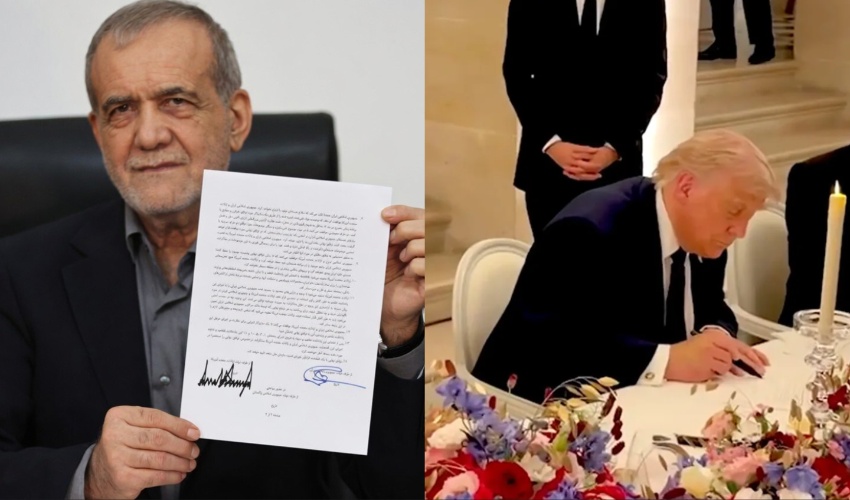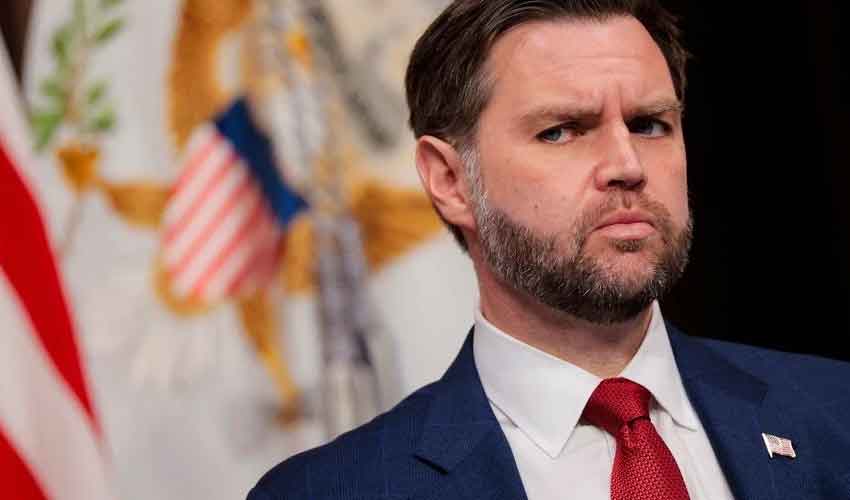
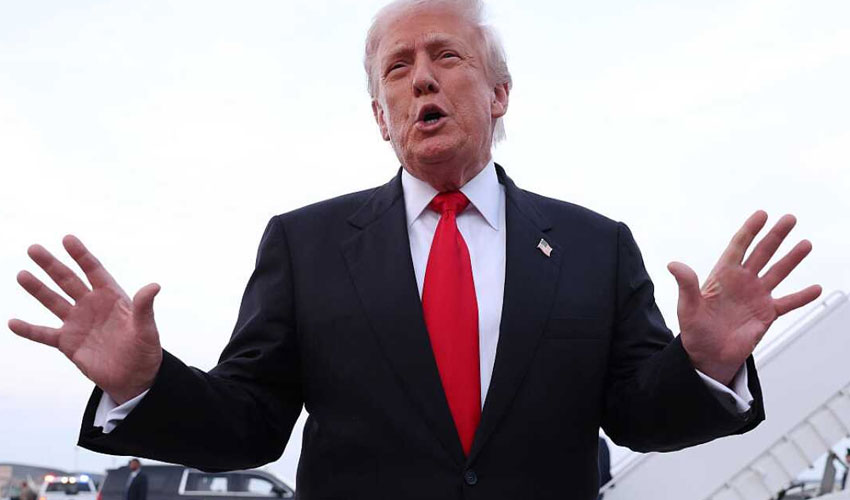
US President Donald Trump on Wednesday suggested that Vice President JD Vance might not travel to Pakistan for upcoming peace talks with Iran due to safety concerns.
The announcement comes as tensions linger over Lebanon’s exclusion from the recently brokered two-week ceasefire.
In an interview with the New York Post, Trump said, “We’ll have Steve Witkoff, Jared Kushner, JD—maybe JD, I don’t know.” He cited “safety” and “security” as reasons that could prevent Vance from attending the talks.
Despite the uncertainty, Trump expressed confidence that the discussions would take place “very soon,” underscoring the administration’s desire to maintain momentum on the fragile ceasefire.
Lebanon excluded from ceasefire
The peace agreement, brokered with Islamabad’s assistance, appears precarious. Less than 24 hours after the truce was declared, Israeli forces launched heavy strikes on over 100 Hezbollah targets in Lebanon. The attacks reportedly caused hundreds of civilian casualties, flooded hospitals, and prompted urgent blood donation appeals.
Iran condemned the strikes, threatening to reblock the Strait of Hormuz, claiming the Israeli action violated the ceasefire. While Pakistan indicated that Lebanon was included, both Israeli Prime Minister Benjamin Netanyahu and President Trump confirmed that Lebanon was not part of the agreement, citing Hezbollah as the primary reason.
Trump described the situation as “a separate skirmish,” emphasizing that the ceasefire’s scope is limited to direct US-Iran hostilities.
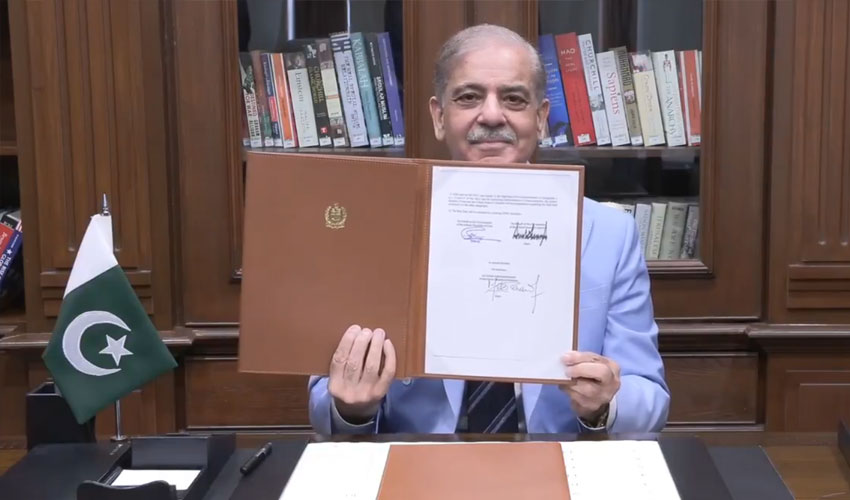
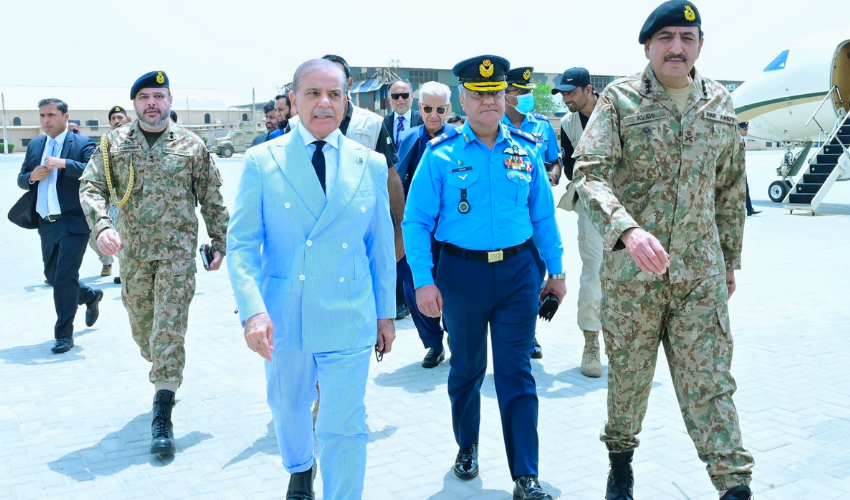
Prime Minister Shehbaz Sharif has praised Pakistan’s diplomatic efforts, highlighting the country’s role in de-escalating tensions. Speaking at a cabinet meeting, Sharif said Islamabad’s strategy, patience, and unity were instrumental in preventing a regional disaster. He thanked Iranian President Masoud Peshmerga and President Trump for accepting Pakistan’s proposal for the ceasefire and stressed that the effort has strengthened Pakistan’s influence in the Islamic world and on the global stage.
Sharif also acknowledged the tireless contributions of Pakistan’s political and military leadership. Deputy Prime Minister Ishaq Dar and his team worked behind the scenes, while Field Marshal Syed Asim Munir maintained continuous communication with US and Iranian authorities to ensure progress on the diplomatic front.


.jpg)