Israel carried out its largest airstrikes on Lebanon since the outbreak of the Hezbollah conflict, even as the Iran-aligned group paused attacks under a U.S.-Iran ceasefire.
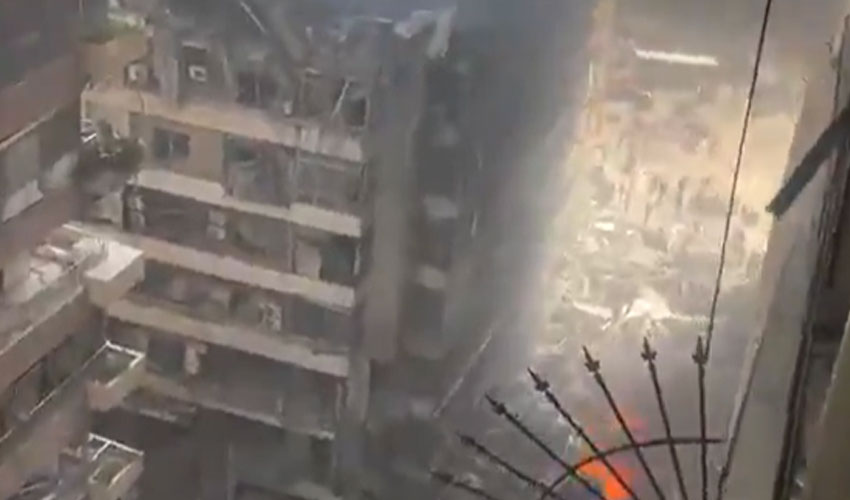
The strikes caused significant casualties and widespread fear across Beirut and southern Lebanon.
Israel’s military reported targeting over 100 Hezbollah command centers and military sites in Beirut, the Bekaa Valley, and southern Lebanon.
- Lebanese health authorities confirmed dozens of deaths and hundreds of injuries.
- Explosions in Beirut forced bloodied civilians to leave cars and rush to hospitals.
- Israeli officials said operations against Hezbollah would continue, asserting that the ceasefire does not apply to Lebanon.
Military spokesperson Avichay Adraee stated, “The battle in Lebanon continues, and the ceasefire does not include Lebanon,” while Defense Minister Israel Katz called it the largest concentrated strike against Hezbollah since September 2024.
Hezbollah reportedly stopped attacking Israeli targets early Wednesday. Sources close to the group indicated that a formal statement on the ceasefire and Israel’s exclusion of Lebanon is expected soon.
The group’s previous operations had included targeting Israeli troops inside Lebanon until late Tuesday evening.
Lebanese President Joseph Aoun and French President Emmanuel Macron urged that Lebanon be included in the ongoing ceasefire. Macron described the situation as “critical,” highlighting the urgent need for regional peace measures.
State Minister Akis Skertsos also emphasized that Lebanon had not been part of ceasefire talks and received no guarantees about its protection.
Humanitarian impact
Israel’s strikes have caused massive displacement and destruction:
- Over 1.2 million people displaced since March 2, primarily in southern Lebanon and suburbs south of Beirut.
- Shelters are overcrowded, with families packing essentials and waiting for official guidance to return home.
- Local authorities report more than 28,000 people in temporary shelters in the south.
Ahmed Harm, a displaced resident, said, “Lebanon can’t take it anymore. The country is collapsing economically, and everything is collapsing.”
Civilian warnings and casualties
Most strikes occurred in civilian-populated areas, with some regions receiving prior warnings. Central Beirut, however, was hit without warning.
- Over 1,500 people have been killed in Lebanon since March 2, including more than 130 children and over 100 women.
- Over 400 Hezbollah fighters and 10 Israeli soldiers have died in southern Lebanon during the same period.


.jpg)