A new repairability report has delivered a surprising verdict in the smartphone world. While Apple and Samsung dominate global sales, they have ranked among the worst when it comes to how easy their phones are to fix.
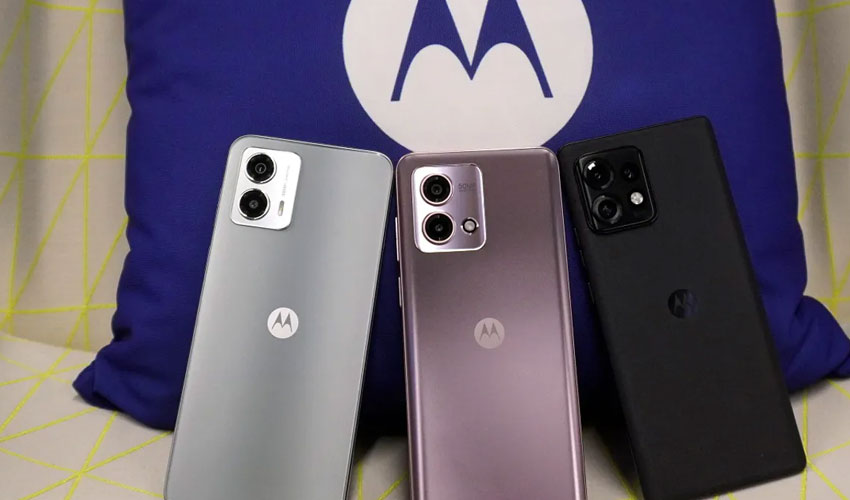
According to the latest “Failing the Fix” report by the U.S. PIRG Education Fund, Motorola secured the top position with a B+ rating.
Meanwhile, Samsung received a D, and Apple ranked last with a D-, placing both companies behind every other major brand evaluated. Google earned a mid-range C-.
The report uses the European Union’s EPREL repairability scoring system, which recently replaced France’s older repair index.
This updated system focuses more on how easy it is to physically open and disassemble a phone, a key factor when devices need repairs.
Why Apple and Samsung scored poorly
A major issue highlighted in the report is how both companies reported their software support timelines.
Although Apple and Samsung typically provide more than five years of updates, they only declared the minimum five years in the EU database. This resulted in the lowest possible scores in that category.
Both companies are also members of trade groups like TechNet and the Consumer Technology Association, which have opposed Right to Repair legislation.
This stance led to additional point deductions. In contrast, companies like Google and Microsoft gained credit for supporting repair-friendly policies, including legislation in Washington state.
The report also notes that Samsung was evaluated based on just five models, as several devices were not listed in the EU system.
This smaller sample size, compared to 10 models each for Apple and Motorola, may affect direct comparisons.
One major gap in the EPREL scoring system is that it does not consider the cost of spare parts.
Experts say this is a critical oversight, as high repair costs are one of the main reasons consumers choose to replace rather than fix their devices. The report’s authors have urged the EU to address this in future updates.
The findings highlight a growing gap between innovation and repairability in the smartphone industry. While Apple and Samsung continue to lead in sales and features, their low repair scores raise questions about long-term sustainability.
With increasing global focus on Right to Repair, future regulations—and improved scoring systems—could push manufacturers to prioritize easier, more affordable repairs.




.jpg)