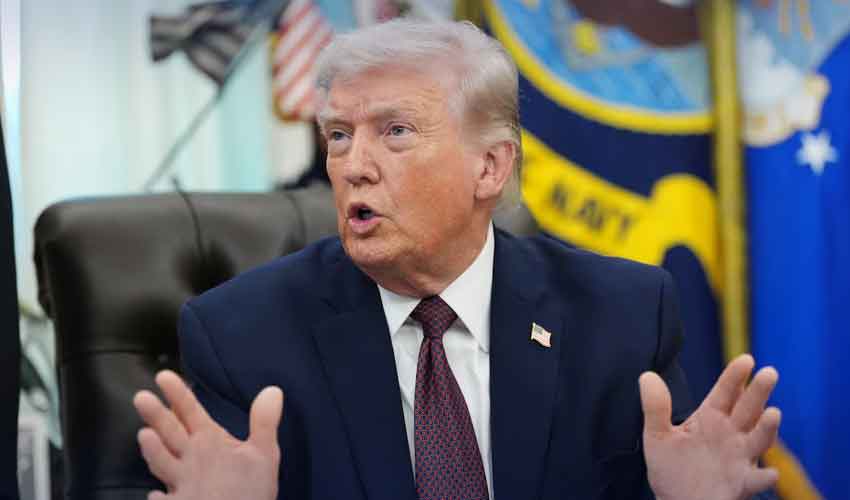
US President Donald Trump announced early on Wednesday morning that he has agreed to a two-week ceasefire with Iran, stepping back from imminent military action just hours before a critical deadline.
The decision follows diplomatic engagement led by Pakistan, including Prime Minister Shehbaz Sharif and army chief Field Marshal Asim Munir, who urged Washington to allow more time for negotiations.
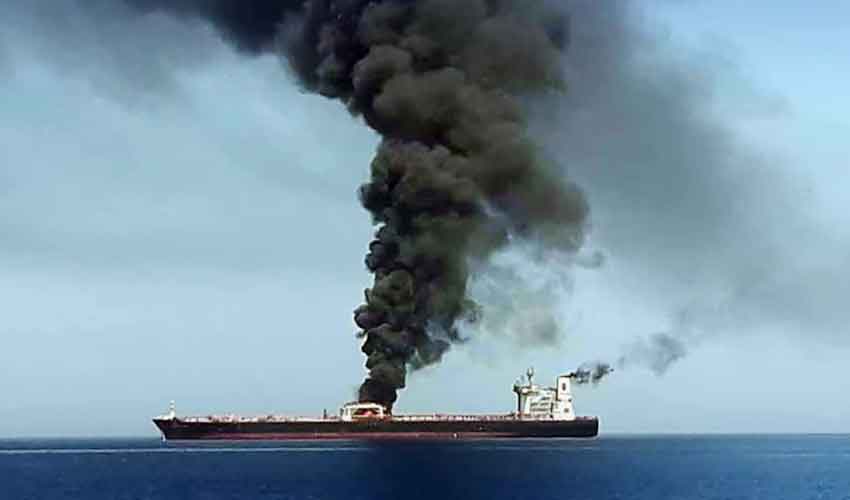
Trump said the ceasefire is contingent upon Iran agreeing to the “complete, immediate, and safe opening” of the Strait of Hormuz, a vital global oil transit route.
In a post on Truth Social, the US president stated that he would suspend planned military strikes against Iran for two weeks, calling it a “double-sided ceasefire.”

“Based on conversations with Prime Minister Shehbaz Sharif and Field Marshal Asim Munir… I agree to suspend the bombing and attack of Iran for a period of two weeks,” Trump said.
Iran agrees to Pak ceasefire proposal
Iran has also agreed to Pakistan’s proposed two-week ceasefire following intense diplomatic efforts by Islamabad and a last-minute push from China, a close ally, urging Tehran to ease tensions.
According to three Iranian officials, as reported by the New York Times, concerns over severe economic damage to key infrastructure also influenced the decision. They added that the ceasefire was approved by the new supreme leader, Mojtaba Khamenei.
According to NYT, the Iranian proposal reportedly calls for the removal of all sanctions imposed by successive US administrations since the era of George W Bush.
According to Iranian state media, the country’s supreme security body has submitted the 10-point plan to Washington through Pakistan, and has proposed that future talks with the United States be held in Islamabad.
Israel also joins ceasefire
A senior White House official told CNN that Israel is included in the two-week ceasefire announced by Donald Trump shortly before his deadline for Iran to reopen the Strait of Hormuz.
The official added that Israel has also agreed to halt its bombing campaign during this period to allow negotiations to move forward.
Pakistan’s diplomatic role
Trump credited Pakistani leadership for influencing the decision, noting that both Sharif and Munir had requested restraint to allow diplomacy to progress.
Pakistan has been actively mediating between Washington and Tehran, facilitating proposals aimed at reducing tensions and preventing further escalation in the Middle East.
Also Read: PM Shehbaz appeals to Trump, Iran for two-week ceasefire
The development underscores Islamabad’s growing role as a key intermediary in high-stakes international negotiations.
Progress towards long-term agreement
The US president indicated that significant progress has already been made in talks with Iran, revealing that a “10-point proposal” from Tehran is being considered as a workable framework.
“We have already met and exceeded all military objectives, and are very far along with a definitive agreement concerning long-term peace,” Trump said.
Also Read: Trump in 'heated negotiations', reviews PM Shehbaz's proposal
He added that most contentious issues between the two sides have been resolved, and the two-week window would help finalize a comprehensive agreement.
Deadline averted
The ceasefire announcement came less than two hours before a deadline set by Trump, who had earlier warned of devastating consequences if Iran failed to comply.
In previous remarks, the US president had threatened to “wipe out” an entire civilisation if the Strait of Hormuz remained closed — comments that drew sharp criticism from observers.
Also Read: Pakistan calls for diplomacy and regional security at UN
The agreement has raised cautious optimism for de-escalation after weeks of heightened tensions and threats of large-scale conflict.
With both sides now given a two-week window to negotiate, global attention will remain on whether the ceasefire leads to a lasting peace deal and stability in the Middle East.


.jpg)