More than 800 individuals have been arrested by U.S. Immigration and Customs Enforcement following tips shared by federal airport security officials since the start of Donald Trump’s presidency through February 2026, according to internal data reviewed by Reuters.
The figure is significantly higher than previously disclosed.
The leads were provided by the Transportation Security Administration, which shared records of over 31,000 travelers with ICE for potential immigration enforcement actions. While it is unclear how many arrests occurred directly at airports, the information helped authorities track individuals’ travel movements.
Both ICE and TSA operate under the U.S. Department of Homeland Security. Although the agencies have traditionally shared intelligence related to national security, their cooperation expanded last year to include routine immigration enforcement as part of Trump’s broader deportation strategy.
The traveler data was collected through TSA’s Secure Flight Program, originally established in 2007 as a counter-terrorism measure to screen passengers against government watchlists. Its use for immigration enforcement has raised concerns about its intended purpose.
The developments come amid a political standoff over immigration policy and funding. Since mid-February, Democrats have opposed additional funding for immigration crackdowns without reforms, leading to delays in passing a Department of Homeland Security funding bill. The impasse resulted in TSA officers missing paychecks, prompting the deployment of ICE officers to assist at several airports in March.
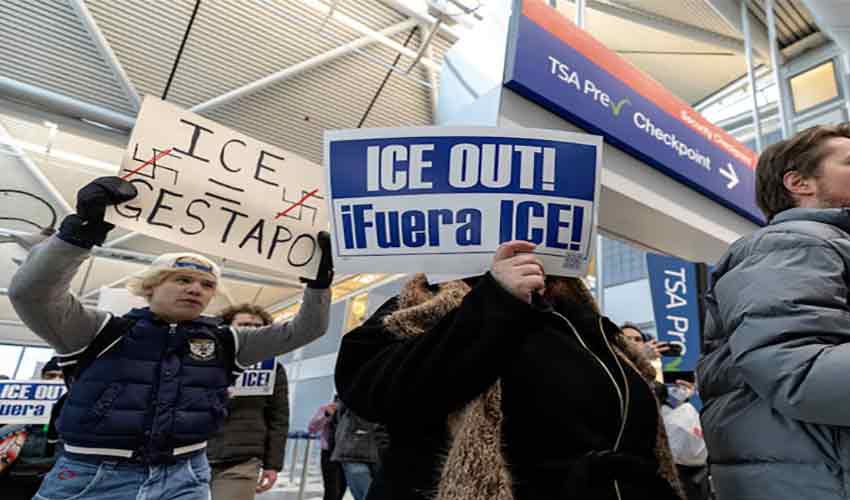
The move has drawn criticism from lawmakers, with concerns that the presence of immigration officers at airports could create fear and confusion among travelers. Reports of arrests at airports—including students, families, and long-term residents—have further intensified the debate.
Immigration attorneys cited multiple cases where individuals without legal status were detained while traveling domestically, including families and individuals with pending residency applications. Authorities have maintained that such actions were taken in accordance with final removal orders.






.jpg)