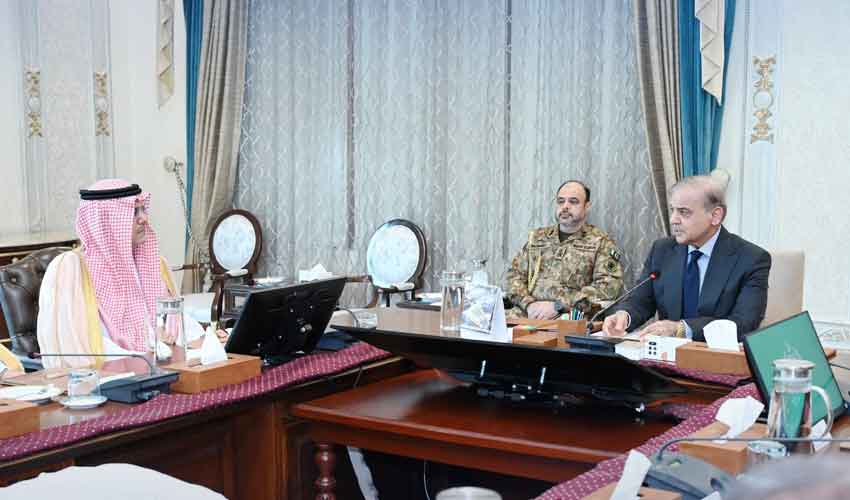
Prime Minister Shehbaz Sharif has firmly ruled out introducing a mini-budget before the upcoming federal budget, rejecting multiple proposals for new taxes amid rising global uncertainty.
The PM has taken a categorical stance that no mini-budget will be introduced before the new fiscal year budget. According to FBR officials, the prime minister rejected several proposals aimed at increasing tax revenue through a mini-budget.
These proposals had been put forward in light of the evolving economic challenges linked to the Middle East crisis.
No new taxes despite pressures
The prime minister also turned down suggestions to impose new taxes or increase existing tax rates.
FBR officials confirmed that PM Shehbaz directed authorities not to burden the public at a time when people are already concerned about rising oil prices.
“People are worried about oil prices, do not think of imposing more taxes or bringing a mini budget,” the prime minister instructed.
IMF targets may be reviewed
In response to the changing global situation, a proposal has been made to engage with the International Monetary Fund (IMF) to review existing economic targets.
Officials believe that the tense Middle East situation could impact Pakistan’s fiscal outlook, making adjustments necessary.
Also Read: Pakistan assures IMF of governance, anti-corruption reforms
The PM also rejected a proposal to present the budget in the last week of May, according to sources. Instead, the new fiscal year budget is now expected to be presented in the first or second week of June.
Sources added that detailed consultations have been ordered on budget proposals due to the uncertain global environment.
Changing priorities amid risks
The upcoming budget’s priorities are likely to shift in response to the ongoing Middle East tensions. There are growing concerns about inflation, the fiscal deficit, and the ability to meet key economic targets.
Officials fear that the budget strategy could be significantly affected, particularly in light of challenges related to the current account deficit over the past three years.
The government appears to be prioritizing public relief while navigating economic pressures caused by global instability.
With inflation risks rising and external uncertainties looming, policymakers face the challenge of balancing fiscal discipline with economic support measures.