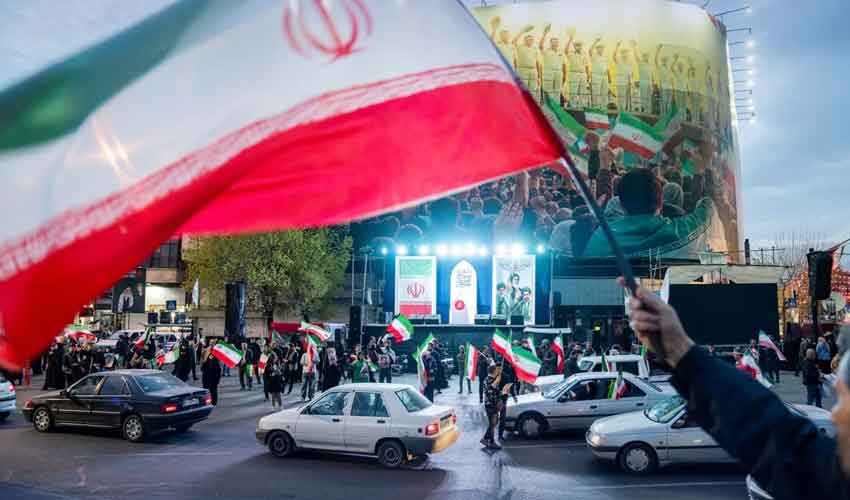
Iran has rejected a proposed ceasefire with the United States and Israel, insisting on a permanent end to the war. The development comes as tensions continue to disrupt global oil supplies and raise fears of a prolonged regional conflict.
Iran has conveyed its response to a US proposal for ending the war through Pakistan, clearly rejecting a temporary ceasefire.
According to Iran’s state news agency IRNA, Tehran emphasized the need for a lasting and permanent end to the conflict, rather than a short-term arrangement.
10-point framework
Iran’s response includes a 10-clause proposal, outlining key demands such as:
-
Ending conflicts across the region
-
Ensuring safe passage through the Strait of Hormuz
-
Lifting economic sanctions
-
Reconstruction efforts
Officials stressed that these demands reflect confidence in defending Iran’s position, not a willingness to compromise. Iran has refused to reopen the Strait of Hormuz under a temporary ceasefire, maintaining it as a strategic bargaining tool.
The waterway, which carries about one-fifth of the world’s oil and gas supply, has been effectively closed since February following US and Israeli attacks.
US rejects Iranian proposal
US President Donald Trump rejected Iran’s proposal, calling it “a significant step” but “not good enough". He warned Tehran of further strikes if it failed to reopen the Strait by his stated deadline, signaling continued pressure from Washington.
A Pakistan-brokered framework for ending the war has emerged through intense diplomatic contacts.
Also Read: Iran, US receive plan to end hostilities, immediate ceasefire
Sources revealed that Pakistan’s army chief, Field Marshal Asim Munir, remained in contact “all night” with US Vice President JD Vance, special envoy Steve Witkoff, and Iranian Foreign Minister Abbas Araqchi.
The proposed framework includes an immediate ceasefire followed by broader peace talks to be concluded within 15 to 20 days. However, US officials described it as “one of many ideas”, confirming that no final agreement has been approved yet.
War escalates across region
The conflict, now in its fifth week, continues to intensify with fresh aerial strikes and missile attacks reported across the region. Iran and its allies have launched attacks on multiple targets, while Israel has responded with strikes on military and infrastructure sites.
The war has caused heavy losses, with over 3,540 people killed in Iran, including at least 244 children. In Israel, missile attacks have killed at least 23 people, while Lebanon has reported 1,461 deaths, including 124 children.
Additionally, 13 US service members have been killed, with hundreds more wounded.
Also Read: Pakistan cautious about reports of US-Israel-Iran ceasefire plan
Israeli strikes have targeted key Iranian infrastructure, including airports and petrochemical facilities. Iran also reported attacks on its South Pars complex, though emergency teams managed to control the fire without casualties.
Regional leaders and international observers have warned that failure to reach a comprehensive agreement could lead to a more volatile Middle East. UAE officials stressed that any deal must ensure safe access through the Strait of Hormuz and address broader security concerns.
Oil prices surge
The ongoing conflict has driven oil prices higher, with Brent crude rising to around $109.60 per barrel. The disruption in supply chains continues to shake global markets and economies.
Despite mounting pressure, Iran has signaled it will not accept deadlines and remains committed to defending its position. Officials reiterated that Tehran seeks a complete end to the war, not a temporary ceasefire.

.jpg)