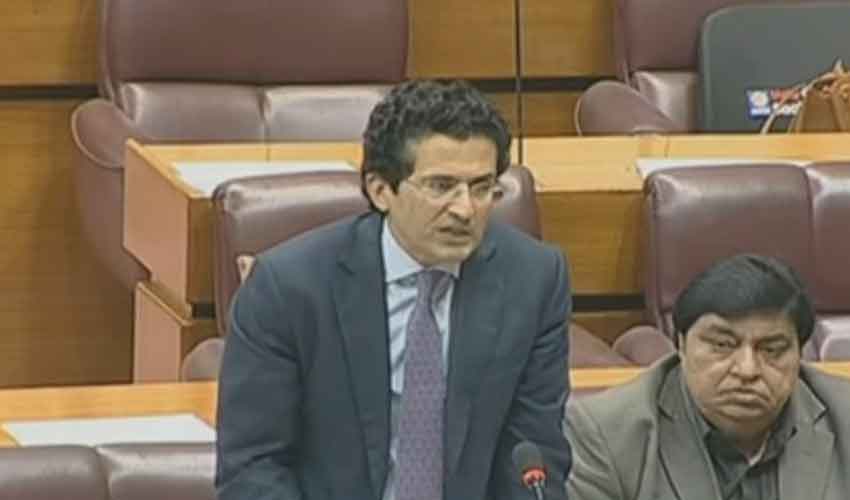
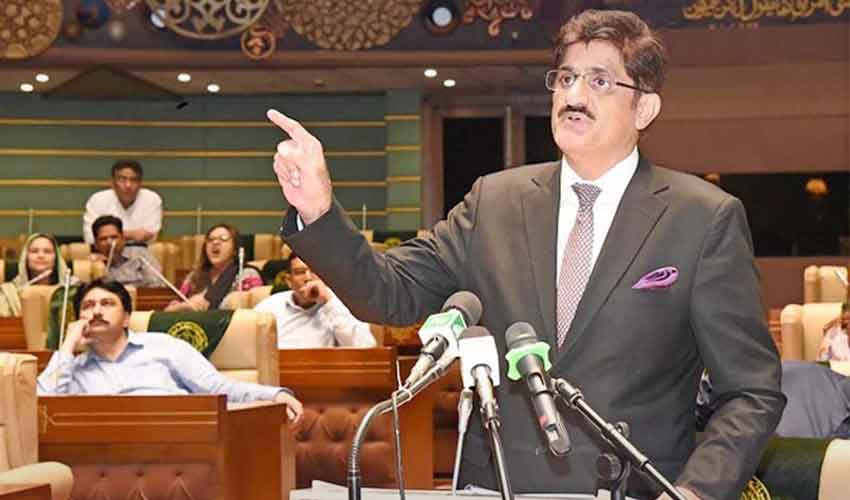
Pakistan faced a severe oil and energy crisis after disruptions in the Strait of Hormuz, Petroleum Minister Ali Pervaiz Malik told the National Assembly on Monday.
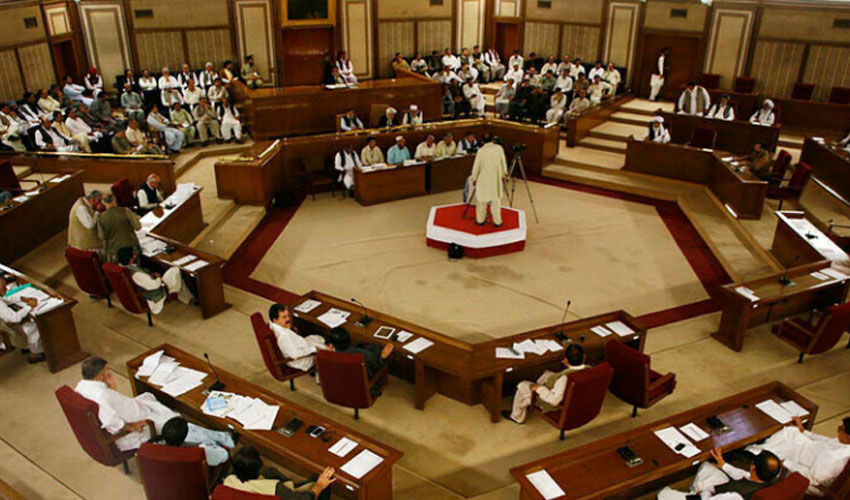
He said the government took tough but necessary decisions to stabilize supplies and shield citizens from the worst impact. Speaking in a National Assembly session chaired by Speaker Ayaz Sadiq, Malik said the regional situation has engulfed everyone in its fire.
He stressed that history will judge whether the government fulfilled its responsibility during this crisis.
The minister revealed that the crisis escalated after bombing in Iran on February 28, which disrupted the oil supply chain through the Strait of Hormuz. As a result, 20 to 25% of global oil supply through the route was affected, causing sharp increases in international prices.
Global fuel prices surged dramatically
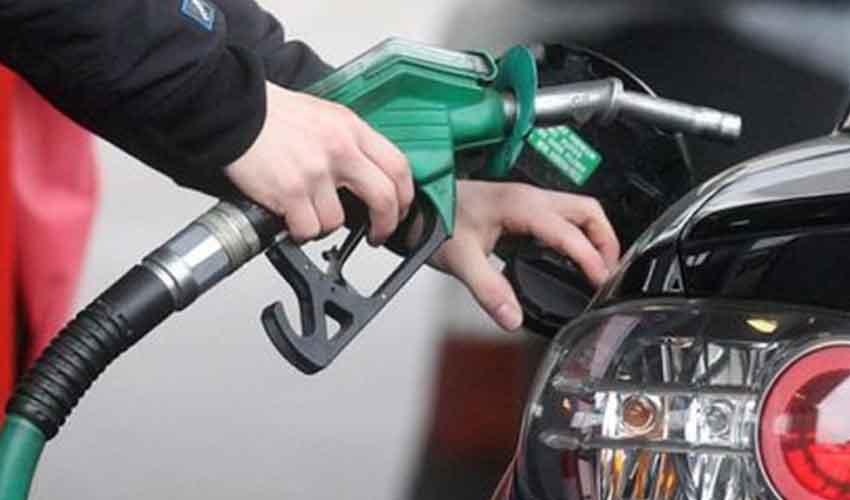
Malik said prices of crude oil, petrol, diesel, LPG, and LNG rose sharply, with crude in Dubai and Oman reaching $170 per barrel. He added that diesel prices in the global market surged as high as $280.90, creating additional challenges for Pakistan.
Pakistan heavily dependent on Hormuz route
The minister highlighted that around 90% of Pakistan’s oil imports come through the Strait of Hormuz, making the country highly vulnerable to disruptions. He added that at one point, two Pakistani oil ships were stuck in the strait, but the Iranian government allowed them to leave, for which he expressed gratitude.
He further said the federal government absorbed a weekly burden of Rs50 to Rs60 billion to manage the crisis. In total, relief efforts amounted to Rs144 billion within a few weeks, aimed at stabilizing the situation and protecting the public.
Tough decisions under IMF constraints
The minister acknowledged that the government had to take difficult and unpopular decisions while remaining within the IMF program.
“It was decided to protect only the weaker segments of society,” he said, adding that price increases were unavoidable given global conditions.
Alongside price hikes, the government introduced targeted subsidy programs to support vulnerable groups. Millions of rupees have already been transferred through digital wallets, with transactions continuing at a large scale.
Alternative supply routes
To overcome supply disruptions, Pakistan secured alternative oil routes. The Saudi government supplied oil through its Yangon port, with shipments now arriving daily.
The UAE arranged supplies from Fujairah Port, while Oman also facilitated deliveries, ensuring continuity in fuel availability.
Malik said LNG imports from Qatar were disrupted, leaving no immediate alternative. Despite this, the government managed to continue gas supply to consumers through emergency arrangements.
The minister noted that Pakistan has a 50-year agreement with Kuwait Petroleum for oil imports. He also referenced a 10-year LNG agreement with Qatar, underscoring the country’s reliance on long-term energy partnerships.
The global crisis also triggered a fertilizer shortage, prompting government intervention. The PM directed authorities to ensure uninterrupted fertilizer supply and keep prices below Rs4,500.
Malik said the prime minister personally contacted Gulf leaders, while the Deputy Prime Minister Ishaq Dar and Field Marshal Asim Munir also played key roles in managing the crisis.
The president convened national leadership to present the situation, while ministers were sent to provinces to ensure coordination.
The finance and petroleum ministers jointly briefed provincial governments, bringing all stakeholders on the same page. The premier also presented the measures to national leadership, ensuring consensus on key decisions.
Govt focused on austerity and stability
The minister said the government adopted austerity measures and reduced expenditures to manage the crisis. Steps were taken to maintain internal stability and prevent further economic shocks.
Malik emphasized that the entire region has been impacted by the crisis, with inflation and supply shortages affecting multiple countries. He reiterated that Pakistan managed the situation through timely decisions and coordinated efforts.
The minister thanked Saudi Arabia, the UAE, Oman, and Iran for their support in facilitating oil supplies and easing logistical challenges. He also acknowledged cooperation from Iran during ceasefire-related developments.
Concluding his remarks, the minister said that whether the government succeeded in handling the crisis “will be a historic decision.” He maintained that every possible effort was made to protect the public and ensure energy security.



.jpg)