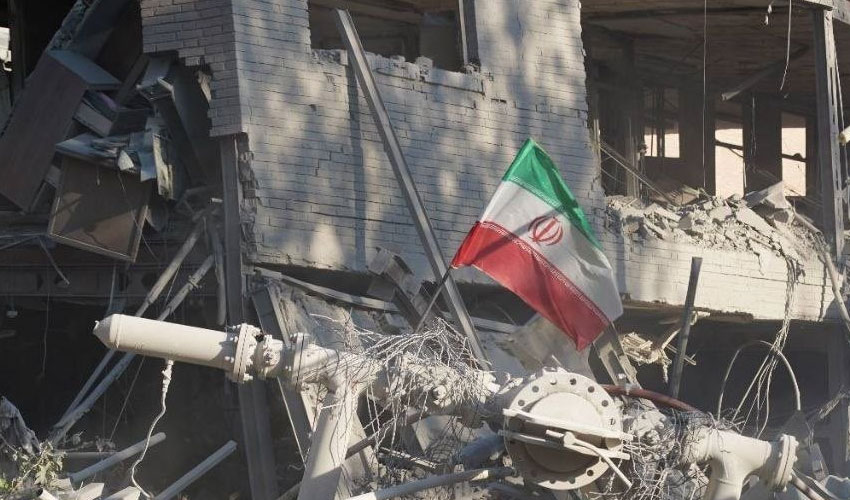
At least 34 people, including six children, have been killed in Iran as US and Israeli strikes targeted a top university and multiple cities.
Tehran has warned of retaliatory action, amid growing fears over regional escalation and global energy disruption.
According to the Fars news agency, 23 people, including four girls and two boys under 10, were killed in Tehran province’s Baharestan County. Residential buildings in Qom and Bandar-e Lengeh also suffered fatalities, totaling at least 34 dead.
Sharif University, a leading scientific institution often compared to MIT, was heavily damaged. Reports indicate its mosque and laboratories were hit, while other civil facilities, including roads, power plants, and bridges, were also targeted.
Other cities affected include Bandar Abbas, Ahvaz, Mahshahr, Shiraz, Isfahan, and Karaj. Petrochemical plants in Asaluyeh, Jam, and Damavand were hit, with Asaluyeh accounting for about half of Iran’s petrochemical output, according to Israeli officials.
The Iranian Atomic Energy Organisation condemned strikes on its heavy water facility as a “crime against science and human health,” while the International Atomic Energy Agency confirmed damage to the Khondab plant, rendering it non-operational.
Iran responds with warnings
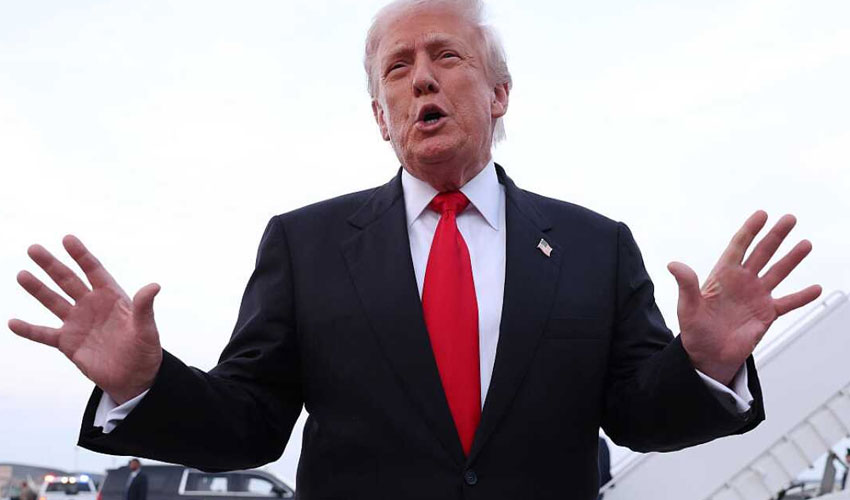
Iran’s Ministry of Foreign Affairs stated that any attacks on its infrastructure would be met “in kind.” Spokesman Esmaeil Baghaei called US President Donald Trump’s threats an “incitement to war crimes and crimes against humanity.”
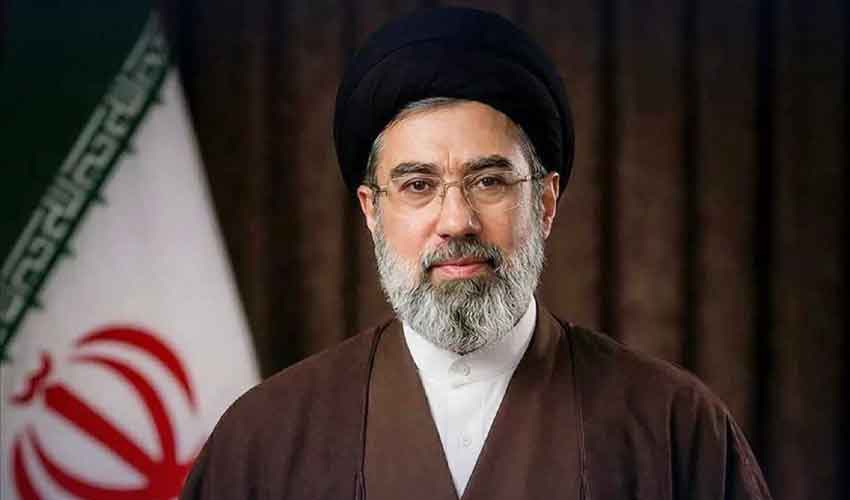
Advisers to Supreme Leader Mojtaba Khamenei warned that even a single misstep could disrupt global energy flows and international trade. Tehran rejected temporary ceasefire proposals and emphasized its demand for a permanent end to hostilities.
Escalation and casualties
The attacks also killed Major-General Majid Khademi, head of the IRGC Intelligence Organisation, and Israeli forces claimed the death of the Quds Force undercover leader Asghar Bakeri.
Red Cross and Red Crescent officials reported that several ambulances have been hit during the conflict, causing additional casualties among volunteers.
Meanwhile, Israel faced retaliatory missile strikes, with bodies recovered from Haifa and injuries reported across Tel Aviv, Petah Tikva, and Ramat Gan.
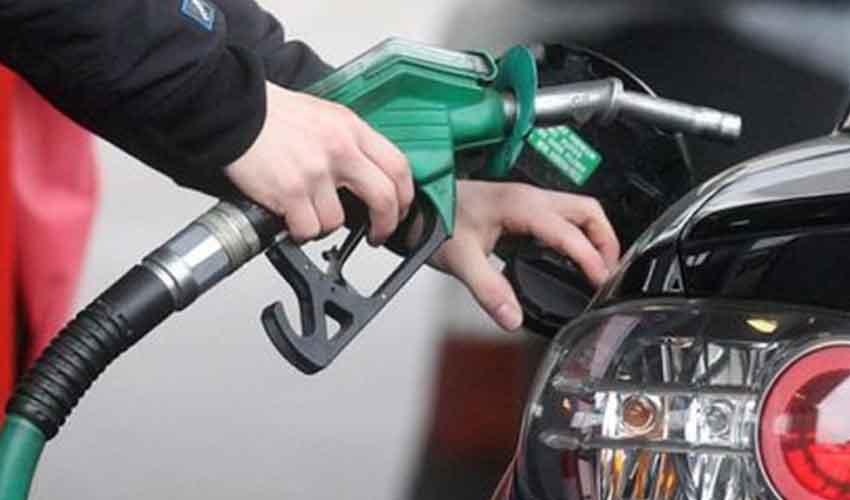
The Strait of Hormuz, through which about 20% of global oil and gas flows, remains effectively blocked by Iran. Experts warn that continued escalation could severely affect international trade and energy prices.
Diplomatic efforts, including a proposal from Pakistan, are underway but have yet to produce a resolution. Tehran maintains it will not compromise on security guarantees or reopen the strait under temporary measures.


.jpg)