Taiwan’s main opposition leader will travel to China this week in a rare visit that comes at a sensitive time for regional politics, just weeks before an anticipated meeting between US President Donald Trump and Chinese President Xi Jinping.
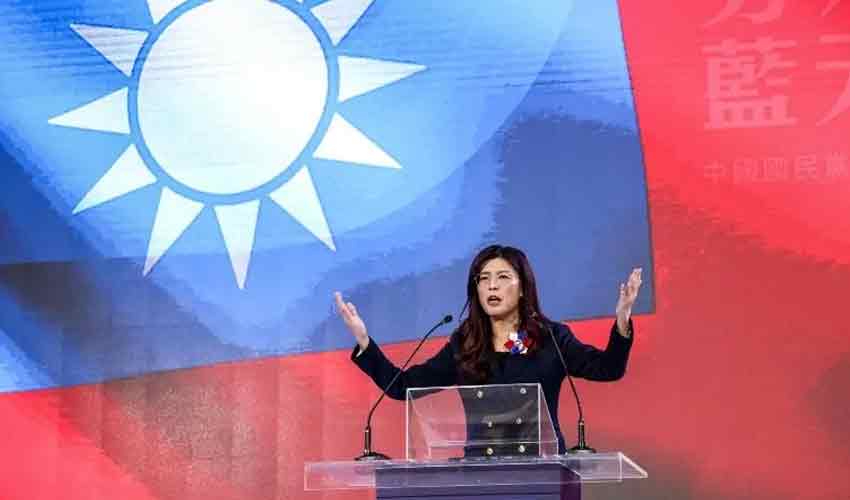
Cheng Li-wun, the newly appointed chairperson of the Kuomintang (KMT), will be the first sitting party leader in a decade to make the այց. She has said she hopes to meet Xi to promote cross-strait “peace” and stability.
However, Taiwanese officials and analysts warn that Beijing may use the visit to strengthen Cheng’s position within her party and influence Taiwan’s defence policies, particularly efforts to limit US arms sales to the island.
China, which claims Taiwan as its territory and has not ruled out the use of force, has long supported closer ties with the KMT. Cheng’s leadership has sparked debate within the party, with critics accusing her of being too aligned with Beijing.
Her visit comes as the United States increases pressure on Taiwan’s opposition lawmakers to approve major defence spending, including billions of dollars in weapons purchases aimed at deterring potential Chinese aggression. Cheng has opposed the government’s proposed $39 billion defence plan, instead supporting a smaller allocation with flexibility for future increases—an issue that has exposed divisions within the KMT.
Analysts suggest Beijing sees an opportunity to bolster Cheng during a period of internal party challenges. A public show of support from Xi could discourage her critics and signal that China retains influence in Taiwan despite growing US ties.
Taiwan’s Mainland Affairs Council has warned that Beijing may be attempting to frame cross-strait relations as a domestic issue, limiting foreign involvement and undermining Taiwan’s defence cooperation with allies.
Cheng has rejected these concerns, insisting her trip is focused solely on promoting peace and has no connection to arms procurement or external political considerations.
Public opinion in Taiwan appears divided, with some viewing engagement with China as risky, while others see dialogue as a path to stability.
Observers note that Cheng will need to carefully balance relations with both Beijing and Washington, maintaining Taiwan’s security partnerships while pursuing diplomatic engagement with China.



.jpg)