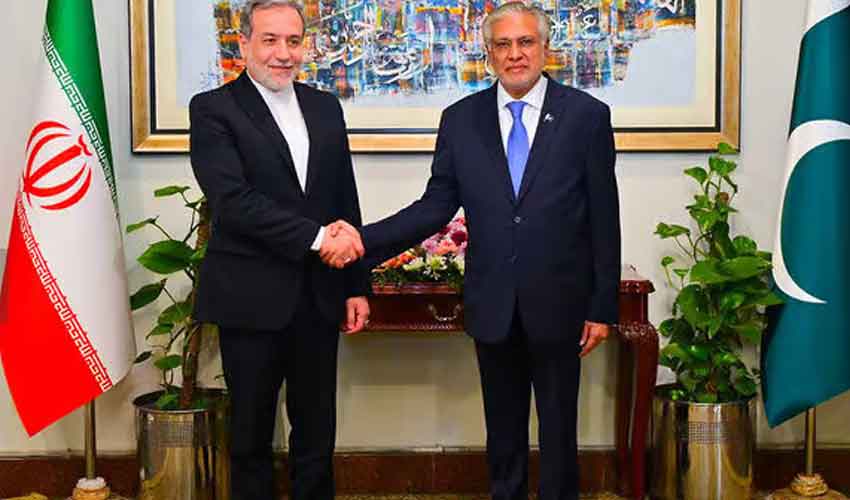
Iran’s Foreign Minister Abbas Araghchi has said Tehran has never refused to engage in talks in Pakistan, while expressing gratitude for Islamabad’s ongoing peace efforts amid escalating regional tensions.
In a detailed statement shared on X, Araghchi also raised concerns about media narratives, nuclear safety, and the broader impact of the ongoing conflict.
Araghchi made it clear that Iran has never refused to travel to Pakistan for dialogue, signaling openness to diplomatic engagement.
“We are deeply grateful to Pakistan for its efforts,” he said, emphasizing the importance of Islamabad’s role in promoting peace. He added that Iran’s primary concern remains ensuring the conditions for a “conclusive and lasting end” to what he described as an illegal war imposed on the country.
Iran's position is being misrepresented by U.S. media.
— Seyed Abbas Araghchi (@araghchi) April 4, 2026
We are deeply grateful to Pakistan for its efforts and have never refused to go to Islamabad. What we care about are the terms of a conclusive and lasting END to the illegal war that is imposed on us.
پاکستان زنده باد pic.twitter.com/AUjBQxOFyA
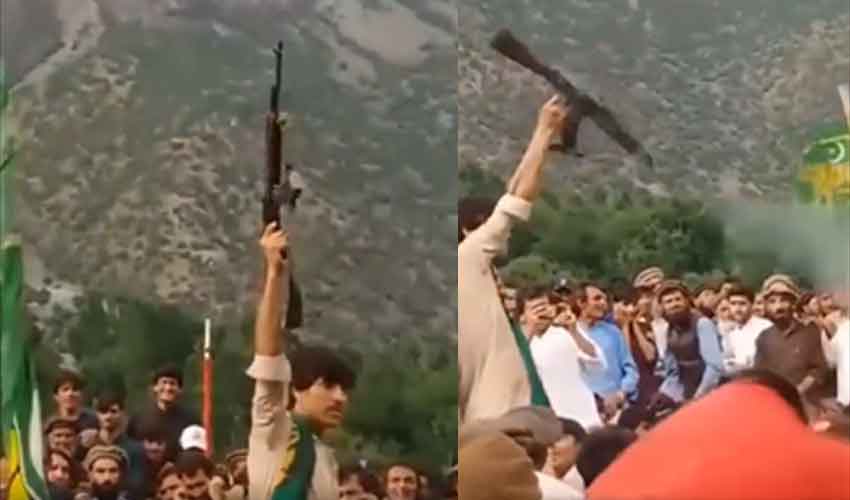
The Iranian foreign minister concluded his message with: “Pakistan Zindabad". His post was accompanied by a video clip showing Iranian people demonstrating on roads, holding pro-Pakistan slogans.
Araghchi criticized international coverage of the conflict, stating that Iran’s position is being misrepresented in American media. He stressed the need for accurate representation of Tehran’s stance as tensions continue to rise in the region.
Warning over nuclear attacks
In his statement, Araghchi also drew comparisons with global reactions to previous conflicts. He questioned whether the world remembers the strong Western response to hostilities near the Zaporizhzhia Nuclear Power Plant in Ukraine, contrasting it with current events.
He alleged that the United States and Israel have attacked Iran’s Bushehr nuclear power plant four times, warning of serious consequences.
Also Read: Pakistan playing important role in Iran-US talks: Khawaja Asif
“If radiation spreads, it will not end life in Tehran but in Gulf countries,” he said, highlighting the potential regional impact on GCC states.
The Iranian foreign minister also pointed to attacks on petrochemical facilities, saying these incidents reveal the “real objectives” behind the ongoing military actions. He suggested that such strikes go beyond military targets and carry broader economic and strategic implications.
Pakistan welcomes clarification
Deputy Prime Minister and Foreign Minister Ishaq Dar responded positively to Araghchi’s statement.
Truly appreciate your clarification, my Dear Brother @Araghchi. 🇵🇰 🤝 🇮🇷 https://t.co/reptX11LQa
— Ishaq Dar (@MIshaqDar50) April 4, 2026
“Truly appreciate your clarification, my dear brother,” Dar replied to his Iranian counterpart's X post, praising the Iranian foreign minister’s remarks and reaffirming diplomatic goodwill between the two countries.

.jpg)