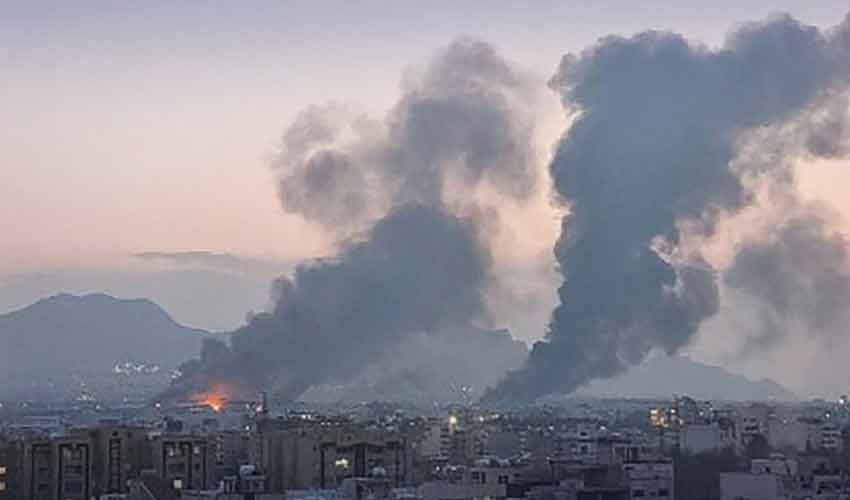
Fresh US-Israeli airstrikes have targeted key gas infrastructure in Iran, escalating tensions despite claims of ongoing diplomatic efforts.
The attacks come as the conflict enters a more volatile phase with continued military operations across multiple regions.
US-Israeli strikes on Monday reportedly hit energy-related facilities in Iran’s Isfahan province and the southwestern city of Khorramshahr, according to Iranian media.
In Isfahan, a natural gas administration building and a gas pressure reduction station on Kaveh Street were damaged, with nearby homes also affected.
Meanwhile, in Khorramshahr, a projectile struck a gas pipeline supplying a power plant, causing material damage. Officials said the missile landed near the facility and confirmed that no casualties were reported.
Despite the attack, authorities stated that power supply in Khorramshahr continued uninterrupted due to ongoing response efforts.
Civilian casualties reported in Tabriz
Separate attacks targeted the Iranian city of Tabriz, where Iranian media reported that at least six civilians were martyred and many others injured.
The strikes highlight the widening scope of the conflict, with civilian areas increasingly affected.
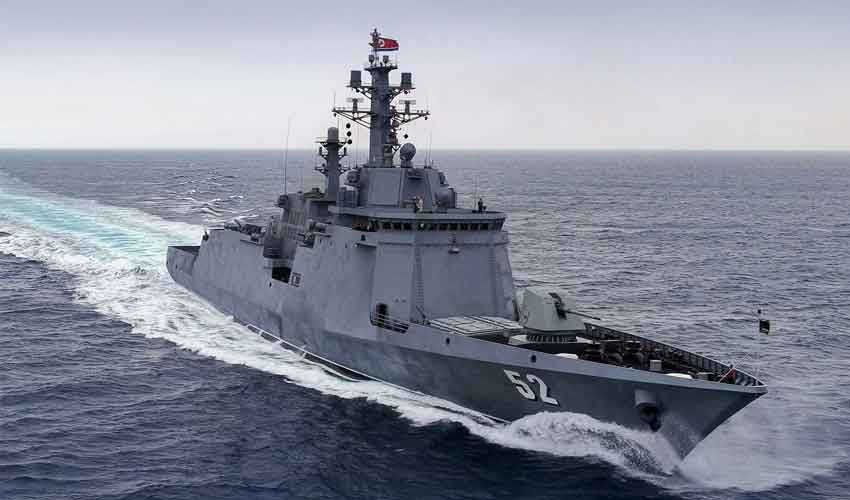
The United States Central Command (CENTCOM) claimed that more than 9,000 targets have been hit across Iran since the start of operations. According to CENTCOM, over 140 Iranian ships have been destroyed, along with missile and drone factories and other military installations.
Also Read: Iran sends waves of missiles into Israel, dismisses Trump's talk reports
The US military also reported destroying command centers and missile launch sites belonging to Iran’s Revolutionary Guards, while continuing precision strikes on Iranian military infrastructure.
Conflict continues despite talk of diplomacy
The ongoing strikes come despite US President Donald Trump’s repeated claims of “productive” peace talks with Iran.
On Monday, Trump announced a five-day postponement of planned attacks on Iran’s power plants and energy infrastructure. However, a US official later clarified that the pause applies only to energy sites.
Military operations targeting Iran’s navy, missile systems, defense industry, and other military facilities are continuing under what was described as ongoing initiatives of “Operation Epic Fury.”
Also Read: Islamabad 'already ready to host' Iran-US talks: FO
Israel, meanwhile, was reportedly not part of Washington’s talks with Tehran and continued its own strikes, including attacks on Tehran immediately after Trump’s announcement.
Iran warns of retaliation
Iran has warned that any attacks on its infrastructure will trigger immediate reciprocal strikes.
The Islamic Revolutionary Guard Corps (IRGC) stated that it would target regional energy grids and desalination plants linked to Israel or US bases if such strikes continue.
The escalation follows Trump’s earlier warning that the US would “obliterate” Iran’s power plants if Tehran failed to reopen the Strait of Hormuz within 48 hours.
In response, Iran has intensified its stance, while also continuing missile and drone attacks targeting Israel and Gulf countries hosting US military assets.
Hostilities in the region have sharply intensified since February 28, when the United States and Israel launched strikes on Iran. Since then, Iran has carried out repeated retaliatory attacks, raising fears of a broader regional conflict and prolonged disruption to energy supplies.
.jpg)