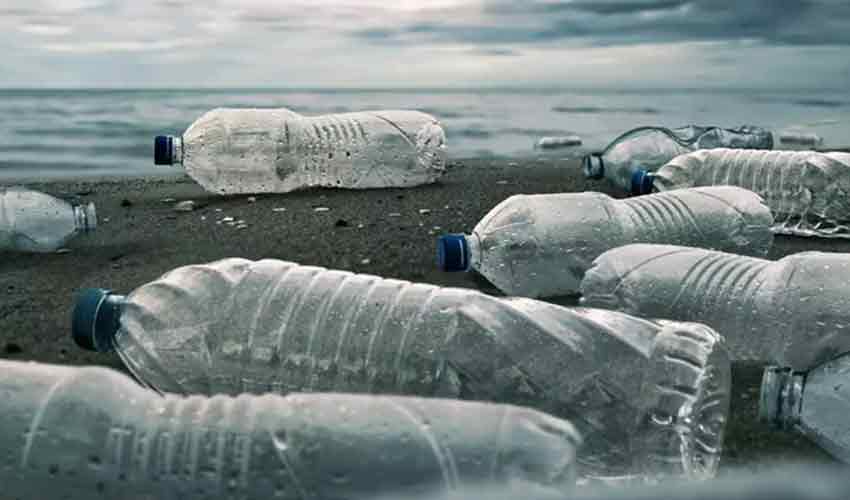
A new study has revealed that scientists have developed a drug for Parkinson’s disease using bacteria to break down plastic bottles.
For the first time, plastic waste has been biologically transformed into a medicine for a neurological disorder, offering hope to improve the lives of those affected.
Researchers at the University of Edinburgh engineered a strain of E. coli bacteria to convert polyethylene terephthalate (PET) - the plastic commonly used in food and beverage packaging - into L-DOPA, a compound used in the treatment of Parkinson’s disease.
Traditionally, Parkinson’s medications rely on fossil fuels for production, making this innovative method of repurposing plastic a more sustainable approach.
This breakthrough not only addresses plastic pollution but also provides a renewable route to produce essential neurological drugs, merging environmental sustainability with medical innovation.




.jpg)