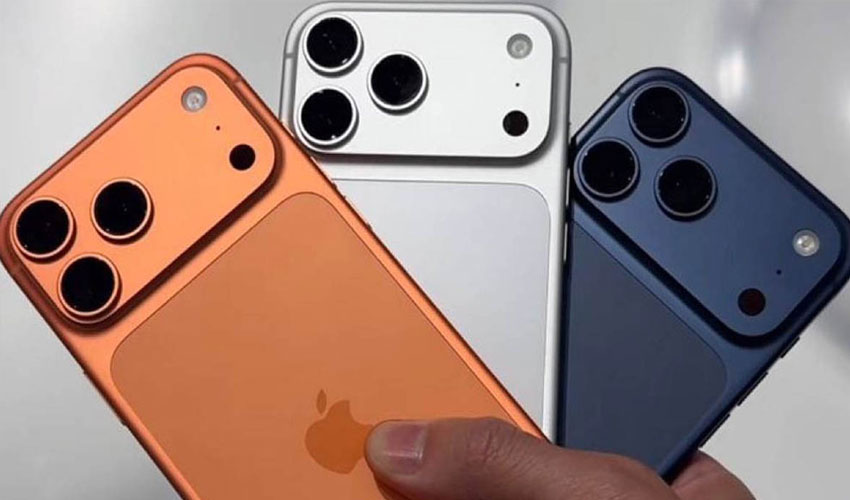
Leaked details about the upcoming iPhone 18 Pro suggest that Apple is prioritizing performance over design this year. While the lack of visual changes may spark debate, experts believe this strategy could still make the device a major success.
Apple is reportedly planning one of the most unusual iPhone launches in recent years.
The company may delay the standard iPhone 18 and iPhone Air 2 models until 2027, while shifting attention toward a new foldable device, often referred to as the iPhone Fold.
Minimal design changes, by choice
Despite earlier rumors, the iPhone 18 Pro is now expected to retain the same design as its predecessor.
Reports suggest there will be no smaller Dynamic Island, and Apple may even reuse molds from the iPhone 17 Pro.
While some users may react with disappointment, analysts argue that skipping a redesign could benefit most buyers.
The decision aligns with a strategy once known as Apple’s “tick-tock” cycle — alternating between major redesigns and performance-focused upgrades.
Return of the ‘Tick-Tock’ approach
Apple previously followed a predictable upgrade pattern with models like the iPhone 4 and 4s, 5 and 5s, and 6 and 6s.
However, that cycle became less clear after the iPhone 12, which maintained a similar design for several years.
Reusing designs for multiple generations is not unusual.
Major smartphone brands continue to follow similar strategies, keeping designs consistent for a few years before introducing significant changes.
The iPhone 18 Pro is expected to feature a faster chipset, potentially built on a 2nm process, along with a larger battery.
These upgrades could deliver noticeable improvements in performance and battery life.
Improvements in camera optics are also expected, offering better image quality and more refined photography results.
While not revolutionary, these changes are likely to enhance the overall user experience.
Reusing an existing design could help Apple reduce manufacturing costs.
This may allow the company to maintain pricing similar to the previous model, which could appeal to a wider audience.
Who should upgrade?
The iPhone 18 Pro is not expected to target users of the iPhone 17 Pro.
Instead, it is likely to attract users with older devices, such as the iPhone 15 Pro or earlier, for whom the upgrade would feel more significant.
For users interested in cutting-edge technology, the rumored 2nm chip and second-generation in-house modem could offer improved efficiency and performance.
At the same time, better battery life and camera upgrades may add to the overall appeal.
Users with relatively recent flagship devices may find the upgrade unnecessary.
Those seeking a more dramatic change might instead look toward Apple’s anticipated foldable iPhone for a completely new experience.



.jpg)