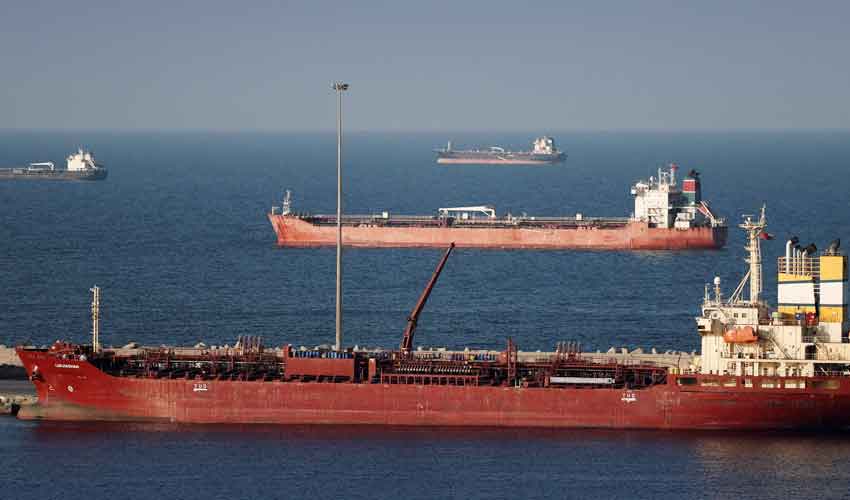
Britain has refused to send warships to help reopen the Strait of Hormuz, despite President Donald Trump pressing allies to join a coalition to secure the waterway.
The decision comes as oil prices rise, markets brace for more volatility, and governments scramble to contain the economic fallout.
British Prime Minister Keir Starmer is refusing to commit British warships to a mission in the Strait of Hormuz, even after Trump called for reinforcements to prevent a worsening global economic crisis, according to British media reports. Downing Street has confirmed that Starmer discussed the importance of reopening the strait with Trump in a phone call on Sunday.
Britain has effectively decided not to be part of a naval coalition to protect the strait for now. The UK position reflects a wider pattern of caution among US allies as the conflict involving Iran enters a deeper and more dangerous phase.
Energy Secretary Ed Miliband said the government was “intensively looking” at what could be done to help reopen the strait, but stopped short of offering a firm military commitment. He said Britain was reviewing all possible options with allies, including the use of mine-hunting drones.
Those drones, developed jointly by Britain and France, are autonomous systems designed to clear mines much faster than traditional minesweepers. British media reports say ministers are considering bringing forward their deployment, while still avoiding the politically riskier step of sending warships directly into the Gulf.
No new warships for now
British ministers are not currently prepared to send warships to clear the oil route, even though one Royal Navy vessel is already at sea. So far, Britain has sent HMS Dragon, which is due to operate in the eastern Mediterranean to support air defence around Cyprus rather than join a Hormuz escort mission.
Britain could still deploy other assets if the crisis deepens. Reports say the government has also looked at the possibility of using frigates already heading toward the eastern Mediterranean, as well as a submarine that left Australia for the Indian Ocean. Those options, however, remain under review.
Iran warns countries against joining mission
Iran has threatened any country that joins operations against it in the Strait of Hormuz. Tehran’s deputy foreign minister said on Sunday that while Iran was not at war with Britain, any British participation would be viewed as joining what he called the US-Israel war of aggression against Iran.
That warning has sharpened concerns in European capitals that sending ships could widen the conflict rather than calm it. It has also added to the political sensitivity of Starmer’s decision, especially after Trump publicly criticized allied hesitation.
France, Germany, Japan, Australia, South Korea hesitate
Britain is far from alone. France, Germany and South Korea have all signaled reluctance to answer Trump’s call, while Japan and Australia have also said they have no current plans to send naval ships to the strait.
France has said its military posture will remain defensive and protective, and that it does not want to be dragged into a war led by the United States and Israel. Germany has been openly skeptical about widening the EU’s Aspides mission, arguing that the naval mission has not even been fully effective in protecting commercial shipping in the Red Sea.
Japanese Prime Minister Sanae Takaichi told parliament on Monday that Tokyo had made no decision whatsoever to dispatch escort ships, adding that Japan was still examining what it could do within its legal framework. Australia has likewise ruled out sending naval ships, while South Korea has said it will review the matter carefully with the United States.
Trump pushes for 'team effort'
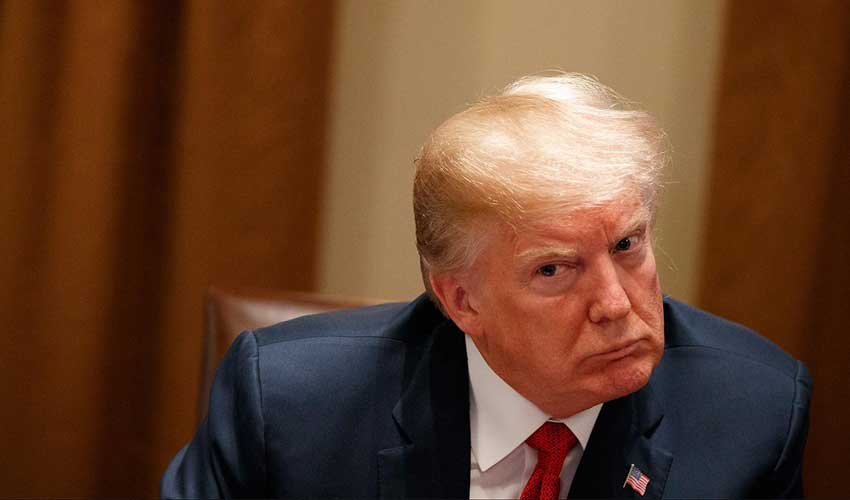
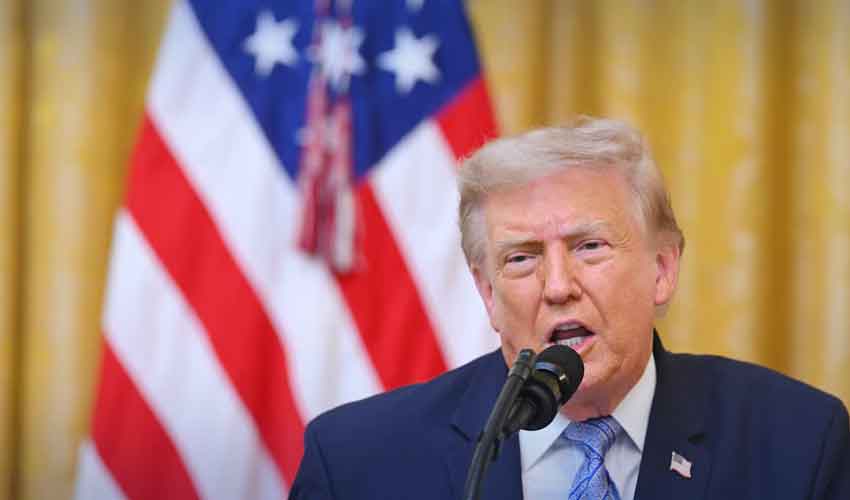
Trump has urged allies, including China, France, Japan, South Korea and the UK, to send ships to the Gulf to help protect the vital trade route. In public comments and social media posts, he said the United States would “somehow” reopen the Strait of Hormuz and make it safe and free, while also signaling that US military operations would continue in the meantime.
US officials have also told major media outlets that Washington is preparing a coalition of nations willing to escort ships through the strait later this week. But with several governments reluctant to commit vessels before the war ends, pressure is growing on Trump to find a path toward de-escalation.
Oil prices jump as markets fear more disruption
The economic stakes are rising quickly. Oil prices climbed to around $106 a barrel, up from $103 on Friday, after Trump ordered strikes on Kharg Island, Iran’s main oil export hub, over the weekend. Analysts have warned Brent crude could climb even higher if the crisis worsens.
The Strait of Hormuz handles about one-fifth of the world’s oil and LNG trade, so prolonged disruption there has enormous consequences for fuel costs, inflation and global shipping. The conflict has already become one of the biggest energy shocks in years.
Emergency measures begin
The International Energy Agency has said it will release more than 400 million barrels from emergency reserves in an attempt to stabilize markets. Even so, US Energy Secretary Chris Wright has warned there are “no guarantees” oil prices will fall in the coming weeks.
JP Morgan described the strikes on Iranian energy infrastructure as an escalation and warned that shortages of refined products could begin biting by the end of the week, according to the report provided by the user. That has added to fears that the crisis will spill beyond oil into broader consumer prices and industrial supply chains.
With higher energy bills already feeding into Britain’s cost-of-living pressures, Starmer is expected to announce £50 million in emergency support on Monday for the households hit hardest by the latest price shock, according to the report. In remarks prepared for Downing Street, he is expected to say his government’s first priority is to support working people through the crisis.
However, the support is expected to cover only about one million households that rely on heating oil, mainly in rural parts of Northern Ireland. That would leave most of the country without new direct support despite the growing risk of higher costs.
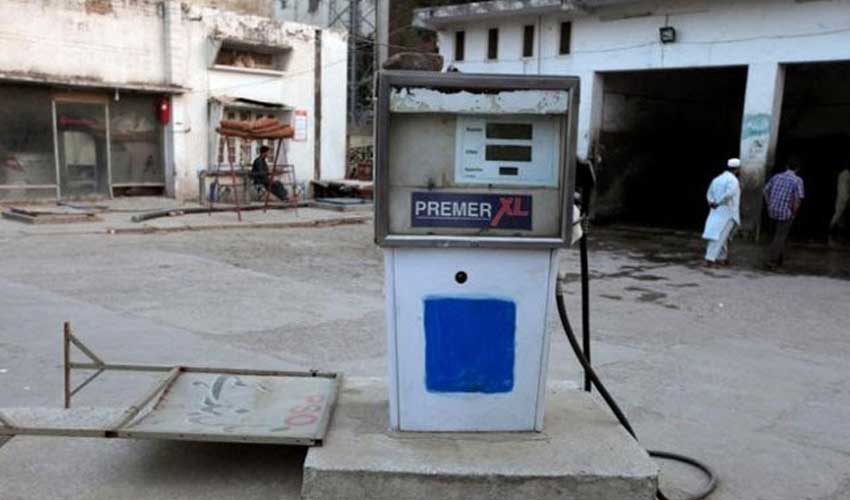
The blockade is not only affecting oil. Patients across the UK have been warned they could soon face shortages of medicines including aspirin, paracetamol, ibuprofen and some antibiotics, according to the report, because those products rely on petroleum-based ingredients.
That has underscored how the Hormuz crisis is threatening a wider supply-chain shock, with the impact potentially spreading well beyond energy markets if the disruption drags on.
Diplomatic strain between Starmer, Trump may deepen
Britain’s refusal to send warships risks deepening a political row between Starmer and Trump. Trump has already criticized the British prime minister for refusing to support the initial US attacks, reportedly saying Starmer was “no Churchill.”
The disagreement now comes at a sensitive moment, with Washington trying to build a coalition while some allies prefer either a defensive posture or diplomatic efforts. India, for example, has argued that direct talks with Iran are the most effective way to restart shipping through the strait.
War shows little sign of ending soon
Trump said over the weekend that he was not ready to negotiate a ceasefire with Iran, saying any deal on offer was not good enough. Iran, for its part, said it had not asked for a ceasefire and saw no reason for talks with the United States.
Israeli military officials have meanwhile indicated the fighting could continue for weeks, with the Israel Defense Forces saying there are still thousands of targets inside Iran. That suggests the shipping crisis in the Gulf may not ease quickly, keeping pressure on governments, markets and consumers alike.
The report also said Trump claimed that Mojtaba Khamenei, named as Iran’s new leader, might be dead, while a Kuwaiti newspaper said he had been flown to Russia for surgery. Those claims remain unverified in the sources reviewed, but they reflect the uncertainty surrounding Iran’s leadership as the war expands.
Elsewhere, the regional fallout continues. UN peacekeepers in southern Lebanon reported coming under fire on Sunday, while Israel said no direct talks were planned with Lebanon to end the latest war with Hezbollah, adding to fears that the conflict may spread even further.
.jpg)