A new medical analysis has raised concerns about a potential side effect linked to popular weight-loss injections.
The study, published in the British Journal of Ophthalmology, suggests that the drug Wegovy could be associated with a higher risk of sudden vision loss compared to other semaglutide-based treatments.
Researchers examined whether the active ingredient semaglutide — used in several diabetes and weight-loss drugs — could be linked to a condition known as ischemic optic neuropathy (ION).
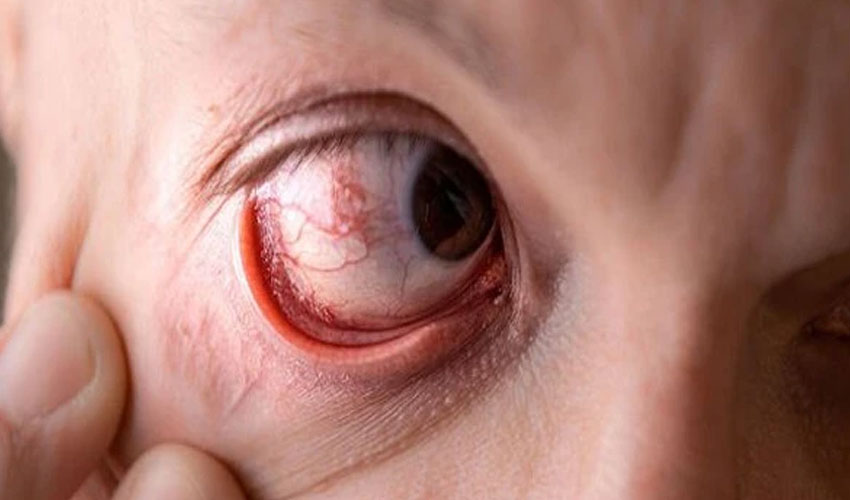
This condition, often referred to as an “eye stroke,” occurs when blood flow to the optic nerve is reduced. In severe cases, it can cause sudden vision loss or even permanent blindness.
Semaglutide is used in multiple medications produced by Novo Nordisk, including Wegovy, Ozempic, and Rybelsus.
Differences between Wegovy, Ozempic, and Rybelsus
Although the three medicines contain the same active ingredient, they are prescribed for different purposes and in varying doses.
-
Wegovy is primarily used for weight loss and is given in higher doses. It is approved for use by the National Health Service (NHS).
-
Ozempic is mainly prescribed to help manage blood sugar levels in people with type 2 diabetes.
-
Rybelsus is the tablet version of semaglutide and is also used to treat type 2 diabetes, typically at lower doses.
The study suggests that the higher-dose weight-loss injection may be more likely to trigger certain eye-related complications.
Analysis of millions of FDA safety reports
For their research, scientists reviewed side-effect reports submitted to the U.S. Food and Drug Administration’s Adverse Event Reporting System.
The database contained more than 30 million reports recorded between December 2017 and December 2024.
Out of these, approximately 31,774 cases were linked to semaglutide-related medications.
By analyzing these reports, researchers identified a potential association between semaglutide use and ischemic optic neuropathy.
The study also uncovered a notable gender difference in the reported cases.
According to the analysis, men were nearly three times more likely than women to experience the eye condition linked to semaglutide.
Researchers noted that this trend emerged from the side-effect reports examined in the study.




.jpg)