Health experts describe high cholesterol as a silent enemy that can remain in the body for years without showing clear symptoms. Many people remain unaware of the condition until it begins to affect the heart, brain, or other vital organs, making it particularly dangerous.
Cholesterol is a waxy, fat-like substance that circulates in the blood. The body produces a portion of it naturally through the liver, while the rest comes from dietary sources such as meat, fish, eggs, and dairy products.
Although cholesterol is essential for the body - playing a key role in hormone production, strengthening cell membranes, and forming vitamin D - excess levels can be life-threatening.
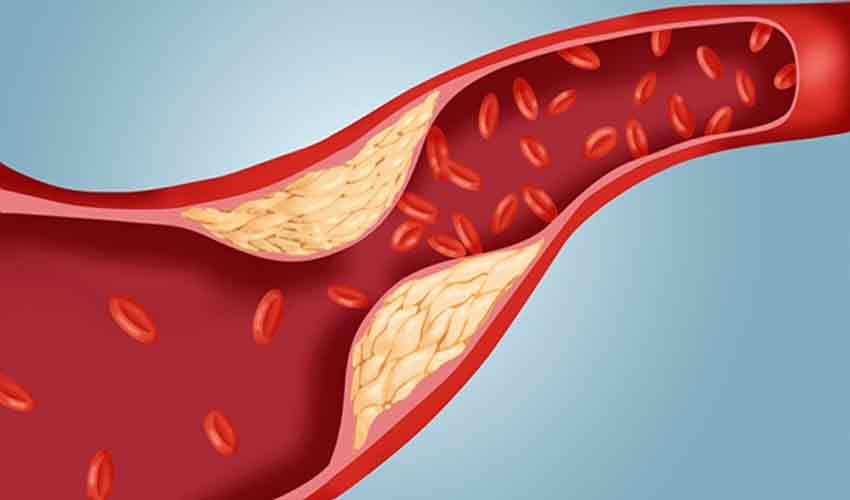
Medically, cholesterol is categorized into two main types. High-density lipoprotein (HDL), known as “good” cholesterol, helps remove excess cholesterol from the blood. Low-density lipoprotein (LDL), or “bad” cholesterol, can stick to the walls of arteries, narrowing and hardening them. When LDL levels rise, it can lead to plaque buildup, a condition called atherosclerosis, which restricts blood flow.
Experts call high cholesterol a “silent disease” because it often does not cause pain, weakness, or fatigue in its early stages. However, as arteries become more blocked, serious complications such as chest pain, shortness of breath, leg pain, heart attacks, or strokes can occur. Waiting for symptoms to appear is therefore risky.
Doctors recommend that certain individuals regularly undergo lipid profile testing. People with diabetes, high blood pressure, obesity, smokers, or those at risk of heart disease should especially monitor their cholesterol. Depending on the risk level, some patients may need testing every six months, while others should be tested at least once a year.
High cholesterol can be managed with preventive measures, primarily through a balanced diet. Consumption of fatty dairy products and red meat should be limited, while fiber-rich foods such as oats, lentils, and apples should be included in daily meals. Omega-3 fatty acids are also beneficial.
Moderation is important in egg consumption. Egg whites provide excellent protein without fat, but excessive yolk intake is not advisable. Additionally, daily brisk walking for at least 30 minutes can help improve good cholesterol levels, while at least 150 minutes of moderate exercise per week is effective in maintaining overall cholesterol balance.
Since high cholesterol often shows no obvious signs, regular blood tests remain the most reliable method for early detection. Timely awareness and small lifestyle changes can play a crucial role in preventing serious heart-related complications.




.jpg)