.png)
The federal cabinet has begun consideration of an in-principle approval to introduce a coin in place of the Rs10 note.
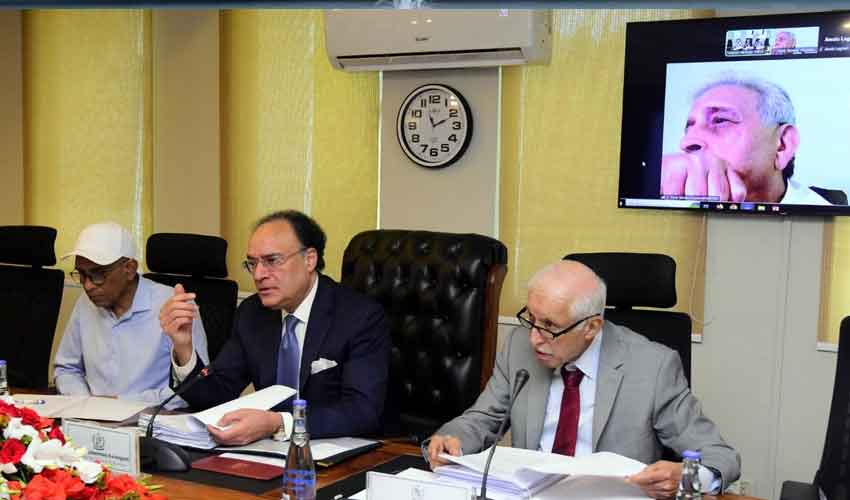
A high-level committee headed by the finance minister has forwarded a currency management report to the cabinet, stating that the introduction of the coin could yield savings of Rs40 billion to Rs50 billion.
The report has been prepared by the State Bank of Pakistan (SBP) and the Security Printing Corporation in accordance with the law. According to the ICMA report, the average life of a Rs10 note stands at only six to nine months, whereas a Rs10 coin remains in circulation for 20 to 30 years.
Nearly 35 per cent of the total annual currency printing consists of Rs10 notes. The report said that replacing the note with a coin would save Rs40 billion to Rs50 billion over 10 years. The estimated annual cost of printing, replacement and administrative expenses for the Rs10 note ranges between Rs8 billion and Rs10 billion.
It noted that while the cost of minting a coin is higher, it does not require reproduction for decades. The State Bank would phase out the printing of the Rs10 note over a period of three years.
The Rs10 coin was first issued nationwide on October 24, 2016. The gradual withdrawal of the Rs10 note falls within the legal framework of the State Bank Act.
Several countries, including the United Kingdom, Canada and Australia, have already replaced low-denomination notes with coins. A reduction in note printing also forms part of green banking measures.
Move could save up to Rs50 billion over a decade as short lifespan of Rs10 note adds to costs


.jpg)