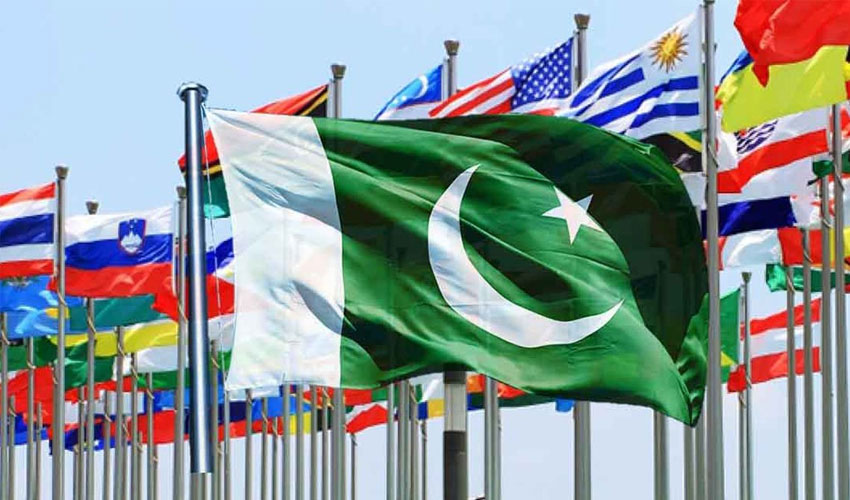
2025 will be remembered as the year Pakistan found its voice again on the world stage. Backed by credible defence capabilities, deepening global partnerships, and an active regional presence, the country stepped confidently back into international diplomacy.
Clashes with India
The most defining development of the year occurred in May, when Pakistan and India engaged in four days of intense military clashes. The confrontation, particularly in the air domain, drew international attention to Pakistan’s operational capabilities.
According to official accounts, Pakistani forces shot down multiple Indian aircraft. Military observers noted that the episode demonstrated Pakistan’s ability to counter India’s military modernisation despite economic pressures and internal security challenges.
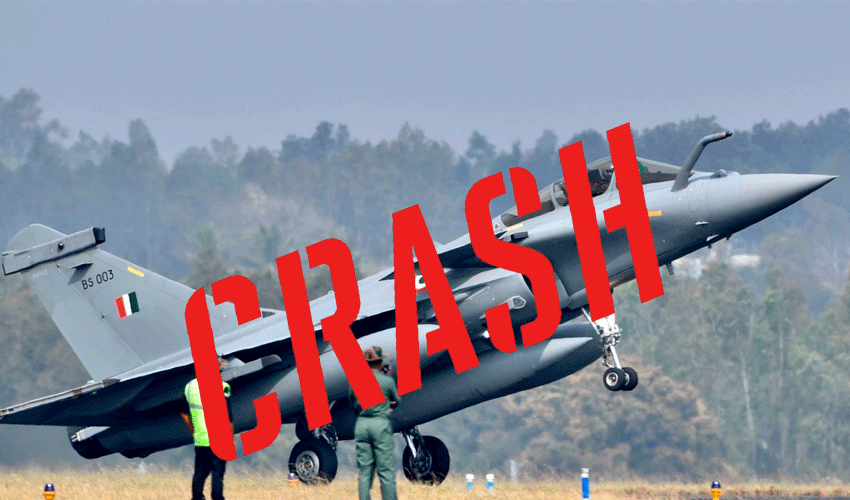
This performance significantly restored Pakistan’s strategic credibility after years of reduced visibility in global security discussions.
Reset in US-Pakistan relations under Trump
Following the clashes, Pakistan’s relationship with the United States saw a noticeable improvement. While India’s ties with Washington experienced strain, Islamabad found renewed space for engagement on security and regional stability.
The shift marked a sharp departure from previous years, placing Pakistan back into Washington’s broader South Asia calculations.
Trump’s public praise for Pakistan
President Donald Trump repeatedly praised Pakistan in public speeches, crediting the country with helping avert regional conflicts, including potential escalation between India and Pakistan.

Observers noted that Trump’s frequent positive references signalled a swift transformation in bilateral ties—from skepticism to partnership.
Field Marshal’s high-profile US engagements
Field Marshal Asim Munir made several high-level visits to the United States in 2025, including meetings with President Trump. These engagements coincided with discussions on Gaza and broader security cooperation.
One visit included a rare White House lunch hosted by Trump, underscoring Pakistan’s renewed strategic relevance.
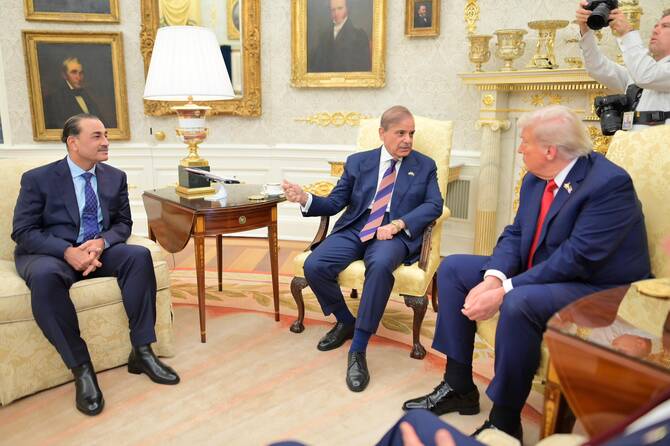
Talks during these visits covered troop contributions, regional stability, and long-term security cooperation, reinforcing Pakistan’s position as a key stakeholder in regional peace efforts.
Middle East outreach
Saudi Arabia defence pact
Pakistan’s ties with Saudi Arabia reached new heights in September with the signing of a mutual defence agreement. The pact expanded cooperation across multiple security domains.

Officials described the agreement as a major step in reinforcing Pakistan’s role within regional defence frameworks.
Libya arms deal
Pakistan’s defence exports gained momentum with a $4 billion arms agreement signed with Libya in 2025. In parallel, Islamabad concluded several bilateral trade agreements, reflecting a pragmatic and economically driven foreign policy.
Counterterrorism cooperation also advanced, including close coordination with Turkiye in operations against Islamic State militants.
China, CPEC, and strategic validation
China welcomed what it viewed as real-world validation of its defence systems used by Pakistan during the conflict with India. This development added momentum to broader bilateral cooperation.

Officials say it also facilitated progress towards the second phase of the China-Pakistan Economic Corridor (CPEC), reinforcing Pakistan’s strategic importance to Beijing.
Gaza peace efforts
Pakistan welcomed the January 2025 ceasefire in Gaza and consistently advocated for its full implementation. Islamabad emphasised support for peace while maintaining principled positions on regional dynamics.
Drawing on decades of UN peacekeeping experience, Pakistan expressed willingness to join an international stabilisation force in Gaza. However, officials clarified that Pakistan would not participate in any effort involving the disarmament of Hamas.

US officials acknowledged Pakistan’s constructive role, positioning it as a credible contributor to post-conflict recovery efforts.
Breaking stalemate with Dhaka
A notable regional breakthrough came in Pakistan’s relations with Bangladesh. Ishaq Dar said the longstanding stagnation in ties was broken during the year.
During a 36-hour visit, a Pakistani delegation met Bangladeshi political leaders and observed what Dar described as significant goodwill towards Pakistan. He said Islamabad plans full engagement with the new government following elections.

Dar also pointed to improved relations with Sri Lanka and Nepal, describing them as evidence of Pakistan’s more active and balanced regional diplomacy.
‘Prestige of Pakistan’s foreign policy has increased’
Addressing a news briefing in Islamabad, Ishaq Dar said Pakistan’s foreign policy prestige had increased worldwide in 2025.
He said Pakistan received broad international recognition following what he described as a crushing defeat of India during the conflict, reiterating claims that seven Indian aircraft were shot down.
Dar rejected India’s allegations over the Pahalgam incident, stating Pakistan had every right to respond after Indian attacks. While emphasising Pakistan’s desire for peace, he said there would be no compromise on sovereignty or security.



.jpg)