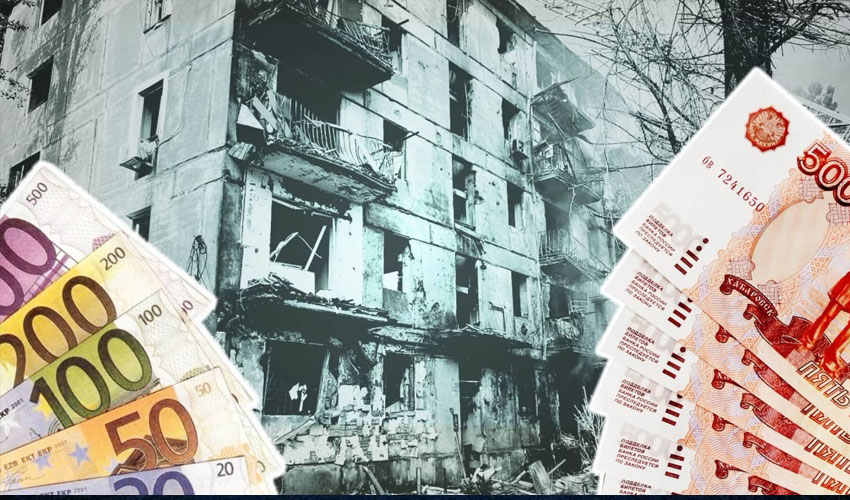
The European Union has agreed to freeze Russian central bank assets indefinitely, removing a major hurdle in plans to use the funds to provide financial support to Ukraine.
The move is aimed at keeping Kyiv funded as it continues to defend itself against Russia’s invasion.
EU member states have decided to immobilize €210 billion ($246 billion) in Russian sovereign assets for as long as necessary, ending the previous system of six-month renewals. This change prevents any single country, such as Hungary or Slovakia, from blocking the continuation of the freeze.
The indefinite freeze is intended to pave the way for an EU-backed loan of up to €165 billion to Ukraine, covering both military and civilian budget needs for 2026 and 2027. The loan is structured to be repaid only when Russia pays reparations, effectively advancing future compensation from Moscow.
Support and guarantees for loan
Belgium has expressed concerns about being left solely responsible if Moscow successfully challenges the plan. EU diplomats are preparing guarantees to protect Belgium against potential legal repercussions.
Germany has pledged €50 billion in guarantees to back the proposed reparations loan. Ukrainian leaders, including Prime Minister Yulia Svyrydenko, welcomed the EU decision, describing it as a “landmark step toward justice and accountability.”
EU leaders are scheduled to meet on December 18 to finalize the loan details and resolve remaining concerns, ensuring all member states agree on the approach.
Russian reaction
The Russian central bank has called the planned use of its frozen assets illegal and announced it is suing Euroclear, the Brussels-based securities depository holding €185 billion of the frozen funds. Moscow claims the freeze has hindered its ability to access and manage its assets.
Hungarian Prime Minister Viktor Orban criticized the EU move, warning it could cause “irreparable damage” to the bloc and pledging to seek a “lawful state of affairs.”
Broader context
Discussions continue over Ukraine potentially joining the EU by January 1, 2027, though European diplomats warn that such a timeline is extremely ambitious and unlikely to be achieved.
The indefinite freeze and reparations loan reflect the EU’s commitment to supporting Ukraine financially while exerting pressure on Russia amid ongoing sanctions and international disputes.



.jpg)