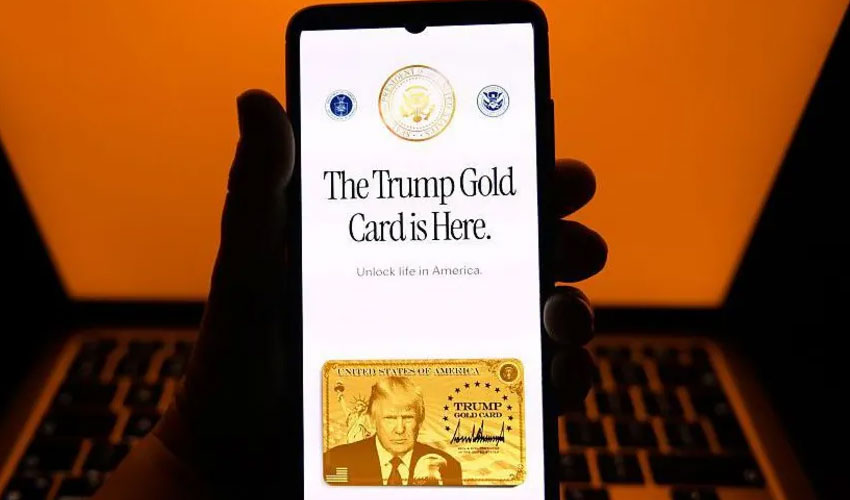
President Donald Trump has launched a new immigration initiative offering wealthy foreigners a “Gold Card” visa, granting a fast-tracked path to US residency and citizenship.
Applicants must pay a minimum of $1 million and demonstrate they will provide “substantial benefit” to the country, according to the programme’s official website.
The Trump Gold Card is aimed at high-level professionals and investors who can contribute to the US economy.
Businesses sponsoring employees must pay $2 million, while a “Platinum” version of the card offering special tax breaks will cost $5 million. A non-refundable $15,000 processing fee is required for all applicants.
The official site promises US residency in “record time” for approved applicants.
Trump’s vision and economic pitch
Trump said the Gold Card would help retain talented individuals for American companies.
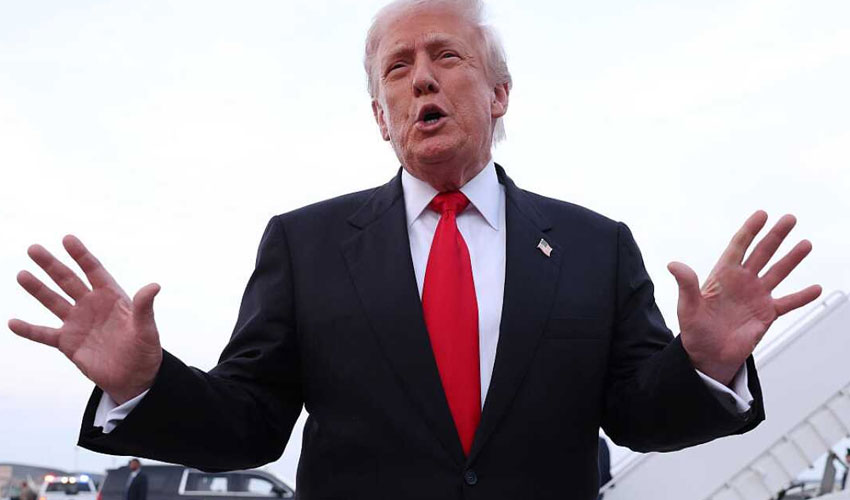
“Our Great American Companies can finally keep their invaluable talent,” he said on social media. “The people that can pay $5 million are going to create jobs. It’s going to sell like crazy. It’s a bargain.”
The president compared the new visa to the traditional green card, but emphasised that the Gold Card targets wealthier applicants who are highly productive and capable of making an economic impact.
Context: Tougher immigration policies
The launch comes amid a broader crackdown on immigration. The Trump administration has increased fees for work visas, deported undocumented migrants, and paused asylum approvals.
Applications from 19 countries — primarily in Africa and the Middle East — are currently halted under the travel ban.
Additionally, a recent $100,000 fee for H-1B skilled worker visas caused concern among overseas students and tech firms, though the White House later clarified it applies only to new applicants outside the US.
Critics, particularly Democrats, have said the Gold Card unfairly favors wealthy individuals while the broader immigration system continues to tighten.
The scheme has faced scrutiny since its first announcement in February, with opponents warning it could deepen inequalities in US immigration policy.






.jpg)