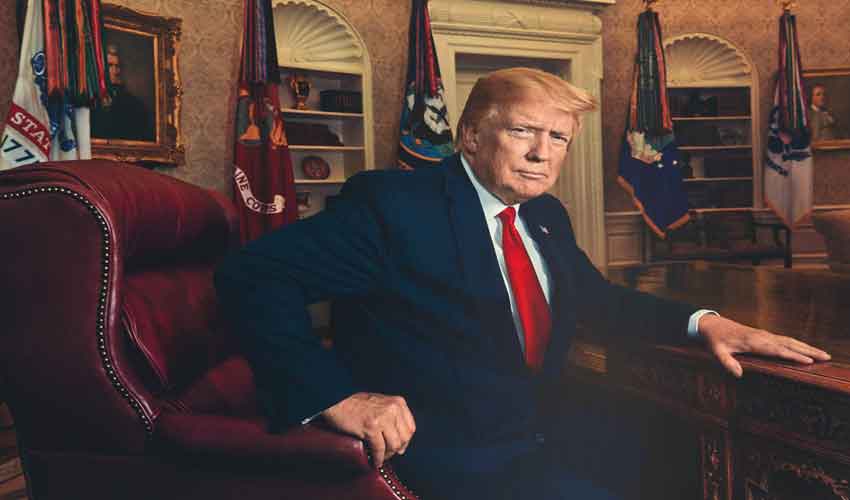
During his presidency, Donald Trump received attention-grabbing gifts from several countries, raising questions about the intersection of diplomacy, influence, and personal benefit.
Reports suggest that leaders from Switzerland, South Korea, the United Arab Emirates, Saudi Arabia, Qatar and Pakistan presented Trump with extravagant gifts, sometimes coinciding with favourable policy or trade outcomes.
Switzerland reportedly gifted Trump an engraved gold bar and a Rolex desk clock. Soon after, US tariffs on Swiss goods were reportedly reduced, illustrating a possible link between diplomatic gestures and trade policy.
In South Korea, Trump was allegedly presented with the nation’s highest civil honor, the Grand Order of Mugunghwa, alongside a Silla-era gold crown replica, symbolizing a blend of prestige and historical significance.
The Gulf states were particularly active in courting Trump. The United Arab Emirates and Saudi Arabia reportedly hosted lavish ceremonies and made substantial payments to Trump-owned properties during his presidency. These gestures coincided with key deals, including US defense and technology collaborations with the UAE and policy decisions influenced by Saudi requests.
Qatar’s gift was the most striking: a luxury Boeing 747 jet, intended as a potential presidential aircraft. Shortly afterward, Qatar became the first customer for certain U.S. defense systems, including drone countermeasures. The offer raised legal and ethical questions, including potential conflicts with the US Constitution’s emoluments clause.
While the precise impact of these gifts on US policy remains debated, the pattern highlights a new form of high-level diplomacy, where opulent offerings may help shape political outcomes. Critics argue that such exchanges underscore the risks of blending personal luxury with international policymaking, sparking discussions about transparency and ethics in modern diplomacy.


.jpg)