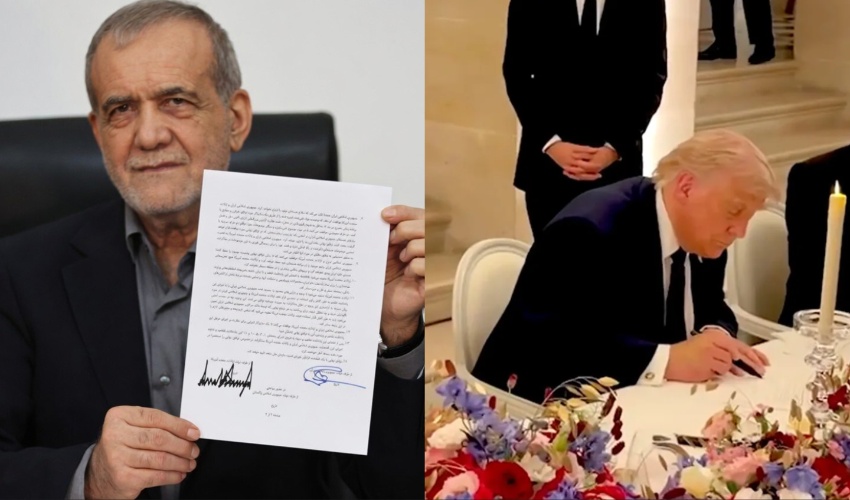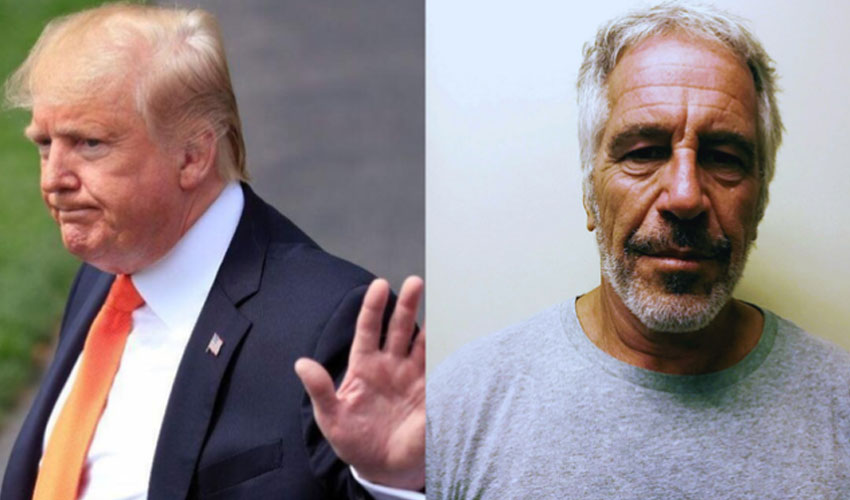
US President Donald Trump announced on Wednesday that he has signed legislation requiring the Justice Department to release all files related to convicted sex offender Jeffrey Epstein.
The move comes after months of pressure from victims, lawmakers, and the public.
The newly signed Epstein Files Transparency Act mandates that all unclassified materials from the Epstein investigation be made available in a searchable and downloadable format within 30 days. The bill cleared Congress with overwhelming bipartisan support: the House voted 427-1, while the Senate passed it by unanimous consent.
Previously, Trump had opposed releasing the files but shifted his position after criticism from Epstein’s victims and members of his own Republican Party.
What the legislation covers
The act allows the Justice Department to withhold certain sensitive materials, including:
-
Child sex exploitation evidence
-
Information identifying victims
-
Active investigation details
-
Items affecting national defense or foreign policy
However, the law explicitly forbids withholding documents for reasons such as embarrassment, reputational harm, or political sensitivity — including material implicating government officials, public figures, or foreign dignitaries.
Trump frames release as political issue
Trump used Truth Social to cast the Epstein controversy as a Democratic liability, highlighting Epstein’s ties to prominent Democrats such as former President Bill Clinton and former Treasury Secretary Lawrence Summers.
“Perhaps the truth about these Democrats, and their associations with Jeffrey Epstein, will soon be revealed, because I HAVE JUST SIGNED THE BILL TO RELEASE THE EPSTEIN FILES!” he wrote.
Trump emphasized that Republicans, including himself, had “nothing to do with Epstein,” framing the disclosures as a partisan issue.
Previous releases and remaining files
Earlier this month, about 20,000 pages of documents from Epstein’s estate were released, including messages in which Epstein referenced Trump. Still, a judge has indicated that approximately 100,000 pages remain unreleased.
Despite Trump’s signature, the full release is not guaranteed; authorities may withhold certain files deemed sensitive, though critics warn that political motives could influence transparency.
Democrats and transparency advocates remain wary. US Senator Adam Schiff expressed doubts about the administration’s follow-through:
“I think if past is prelude, what we can expect is more stonewalling, more cover-up… When this chapter of history is written, it will be a test case in how not to handle a crisis,” Schiff said.
The announcement has sparked renewed attention to Epstein’s connections across politics, business, and entertainment, and observers are watching closely to see how fully the files will be disclosed.






.jpg)