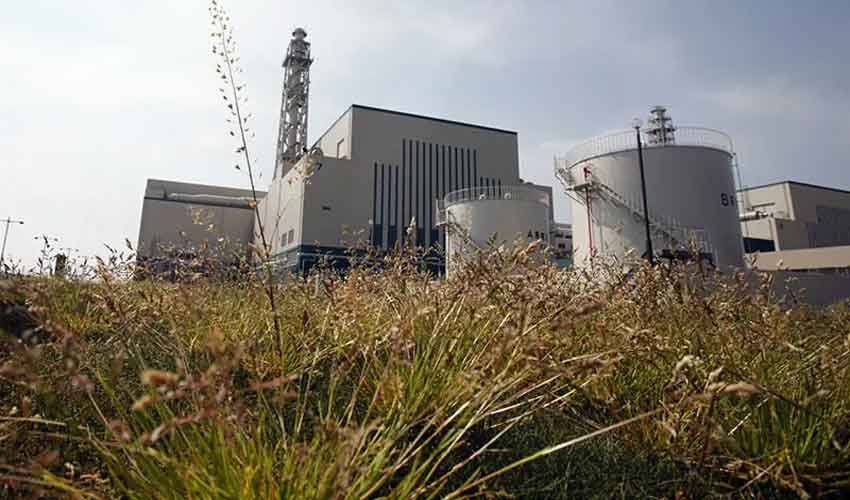
Japan is poised to approve the restart of the world’s largest nuclear power plant this week, local media reported Wednesday.
The Kashiwazaki-Kariwa nuclear plant, located in central Niigata province, had been shut down following the 2011 Fukushima disaster. Now, Japan aims to revive atomic energy to reduce its reliance on imported fossil fuels and strengthen energy security.
According to Kyodo News and the Nikkei, citing unnamed sources, Governor Hideyo Hanazumi is expected to hold a press conference on Friday to announce the decision. Only one of the plant’s seven reactors is slated to resume operations initially.
After the 2011 tsunami and Fukushima meltdown, all Japanese reactors were shut down amid public concern over nuclear safety. Since then, 14 reactors in western and southern regions have gradually restarted under strict safety regulations. If approved, this would mark the first restart by Fukushima operator Tepco since the disaster.
The Japanese government continues to promote nuclear power as a reliable, low-carbon energy source to help meet its goal of carbon neutrality by 2050. In July, Kansai Electric announced plans for Japan’s first new nuclear reactor since Fukushima.
Meanwhile, the decommissioning of the Fukushima plant remains a decades-long challenge. In August, technicians deployed remote-controlled robots to remove radioactive debris from damaged reactor buildings. High radiation levels make the removal of melted fuel the most complex and dangerous part of the process.






.jpg)