The U.S. Supreme Court on Friday allowed President Donald Trump’s administration to temporarily withhold about $4 billion in food aid funding, pausing a lower court order that required full funding for the Supplemental Nutrition Assistance Program (SNAP) this month.
The court’s decision, issued by Justice Ketanji Brown Jackson, serves as an administrative stay, giving the 1st U.S. Circuit Court of Appeals time to review the administration’s formal request to withhold part of the funds. The stay will expire two days after the appeals court delivers its ruling.
The dispute arose after U.S. District Judge John McConnell in Rhode Island ordered the administration to release the full amount of SNAP funding — roughly $8.5 to $9 billion per month — to ensure benefits for more than 42 million low-income Americans amid the ongoing federal government shutdown.
Judge McConnell, an appointee of former President Barack Obama, accused the Trump administration of withholding food aid for political reasons. The administration, however, argued that providing the full funding would “sow further shutdown chaos” and cause fiscal disruption.
Legal and political reactions
Lawyers from the Department of Justice warned that the lower court’s ruling could lead to “a run on the bank by way of judicial fiat,” referencing the strain on government finances during the shutdown.
The Trump administration had offered $4.65 billion in emergency funds to partially cover SNAP benefits for November, but Judge McConnell ordered the USDA to make up the difference using funds from another program — the $23.35 billion child nutrition fund, which is supported by tariffs.
The 1st Circuit Court of Appeals later denied the administration’s request to pause the lower court’s decision but has yet to issue a ruling on the broader appeal.
Advocates warn of widespread impact
Plaintiffs represented by Democracy Forward, a liberal legal organization, argued that withholding the aid could harm one in eight Americans, especially families relying on food stamps for basic nutrition.
“The court should not allow further delay in getting vital food assistance to individuals and families who need it now,” their filing stated.
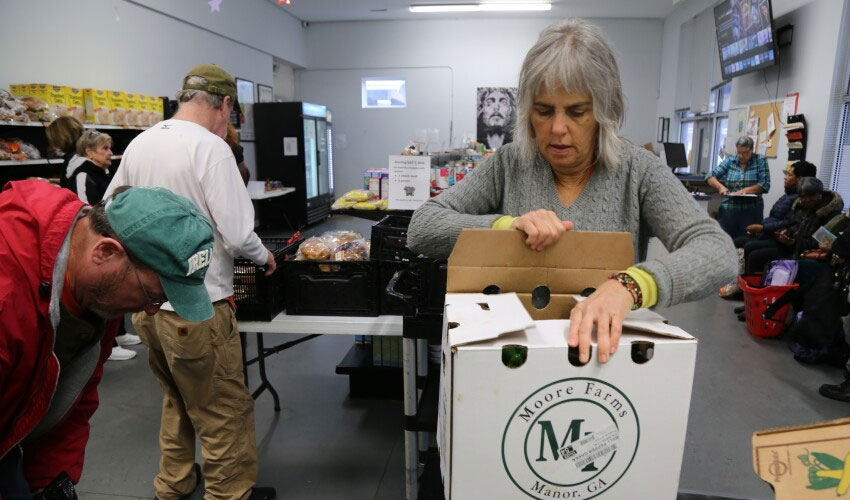
SNAP recipients have already begun experiencing disruptions, with many turning to food banks and community pantries as aid lapses.
Following a USDA memo on Friday confirming temporary availability of funds, several states — including New York, New Jersey, and Massachusetts — directed agencies to distribute full SNAP benefits for November despite the legal uncertainty.
Massachusetts Governor Maura Healey criticized the federal government’s handling of the issue, saying,
“President Trump should never have put the American people in this position.”
This marks the first lapse in SNAP benefits in the program’s 60-year history, with low-income households struggling to balance food expenses and other essentials.





.jpg)