Pakistan is observing Kashmir Black Day today to mark 78 years since Indian forces occupied Jammu and Kashmir on October 27, 1947.
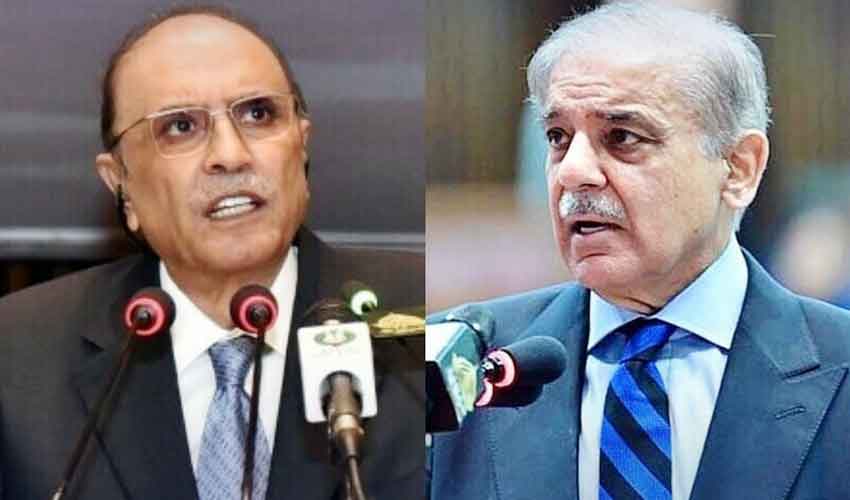
Prime Minister Shehbaz Sharif and President Asif Ali Zardari have renewed Pakistan’s call for global intervention, urging the United Nations to ensure a just and peaceful resolution to the Kashmir dispute.
PM Sharif says peace impossible without Kashmir resolution
Prime Minister Shehbaz Sharif emphasized that lasting peace and stability in South Asia cannot be achieved without resolving the Jammu and Kashmir dispute in line with UN resolutions and the aspirations of the Kashmiri people.
In his message on Kashmir Black Day, the premier said that October 27 remains the “darkest day in the history of Kashmir,” marking the start of India’s illegal occupation. “Seventy-eight years ago, Indian occupation forces landed in Srinagar, a tragic chapter that continues even today,” he said.
He noted that India has continuously denied Kashmiris their right to self-determination, as enshrined in UN resolutions. For almost eight decades, he said, Kashmiris have endured immense suffering and oppression but remain resolute in their pursuit of freedom.
PM Shehbaz condemned India’s unilateral actions since August 5, 2019, which he said were designed to alter the demographic structure and political identity of Jammu and Kashmir.
“These measures, accompanied by severe restrictions on movement and expression, amount to clear violations of international law,” he stated.
He also criticised India’s use of oppressive laws to silence legitimate political voices, pointing to the imprisonment of Kashmiri leaders, activists, and journalists on fabricated charges. “Such actions expose India’s extremist agenda and disregard for international human rights norms,” he added.
Reaffirming Pakistan’s stance, Shehbaz Sharif said, “Our position on Jammu and Kashmir remains clear, principled, and unwavering. We will not rest until justice is done and the promise made to the Kashmiri people in UN resolutions is fulfilled.”
President calls on UN to hold India accountable
President Asif Ali Zardari echoed similar concerns, urging the international community, particularly the United Nations and human rights organizations, to hold India accountable for systematic violations in occupied Jammu and Kashmir.
He said the UN has a moral and legal responsibility to play its role in safeguarding the rights of Kashmiris.
“The recent aggressive behavior of India underscores that sustainable peace in South Asia depends on a just and lasting resolution of the Kashmir issue,” the president remarked.
Zardari said that October 27, 1947, marked the beginning of one of the darkest chapters in modern history when Indian troops entered Srinagar in defiance of international law and the will of the Kashmiri people.
“Each year, we pay tribute to the heroic struggle and sacrifices of our Kashmiri brothers and sisters who continue their resistance for self-determination despite decades of Indian atrocities,” he said.
India’s post-2019 crackdown intensified
Highlighting the worsening situation after August 5, 2019, the president said India unilaterally revoked the region’s special status, imposed a military siege, and launched a campaign of collective punishment by destroying property and enforcing restrictive laws.
“The occupied valley remains under a suffocating lockdown where fake encounters, custodial torture, and enforced disappearances have become instruments of fear,” Zardari noted. He stressed that the Kashmiri people’s spirit of resistance remains alive despite India’s attempts to suppress their national identity.
Nationwide observance
Across Pakistan and Azad Jammu and Kashmir, rallies and solidarity walks are being held to honor Kashmiri martyrs and denounce India’s decades-long occupation. A minute’s silence was observed at 10 a.m. across the country, with banners reading “Kashmir Will Become Pakistan” displayed in Islamabad.
Officials, activists, and citizens reiterated their demand for the international community to take concrete steps toward ending the ongoing human rights violations in the occupied territory.



.jpg)