In a historic exchange under the latest ceasefire agreement, Hamas released all 20 living Israeli hostages to the International Committee of the Red Cross (ICRC) in Gaza on Monday.
The handover took place in two stages, signaling a rare moment of calm after two years of relentless conflict.
According to reports from AFP and the Israeli state broadcaster, 13 of the hostages were transferred to Khan Younis in southern Gaza during the second phase. The move comes as part of a broader agreement aimed at easing tensions and paving the way for a long-term peace process.
Hundreds of Palestinian prisoners freed
In return, Israel began releasing hundreds of Palestinian prisoners, fulfilling its part of the ceasefire deal. Reuters reported that 38 buses carrying freed Palestinian prisoners arrived in Gaza from Israeli prisons on Monday.
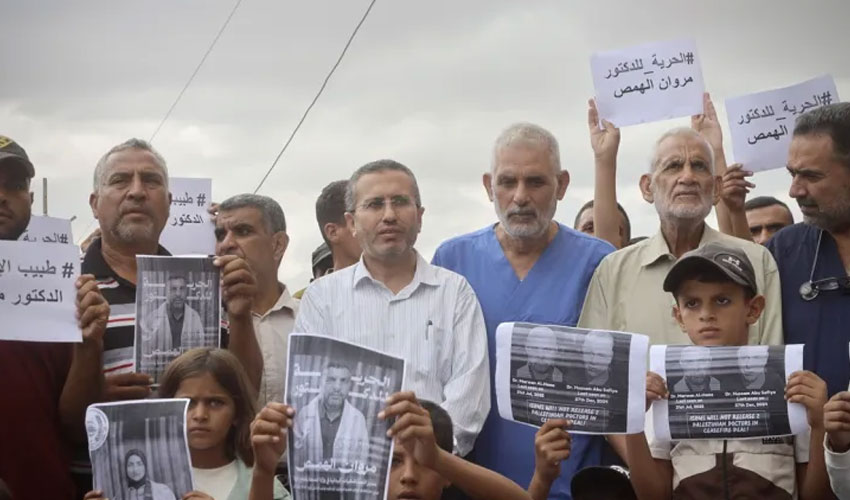
Al Jazeera noted that under the agreement, up to 2,000 Palestinian detainees are expected to be released. Crowds gathered at various crossing points to welcome the released prisoners, many of whom had spent years in Israeli jails.
Celebrations and relief across both sides
Across Israel, hundreds of people gathered near the Reim military camp, waving national flags as they awaited the return of hostages. Families also assembled in Tel Aviv’s “Hostage Square,” holding up posters bearing the faces of those freed.
Reuters footage captured about a dozen masked gunmen—believed to be Hamas fighters—arriving at Nasr Hospital in southern Gaza. The scene showed ambulances and rows of chairs prepared for a brief reception, marking the return of those freed under the ceasefire.
Ceasefire seen as path toward peace
The truce, described by observers as the most significant step toward ending the two-year Israel-Hamas war, has brought cautious optimism. The conflict, which evolved into a wider regional crisis involving Iran, Yemen, and Lebanon, has left Israel internationally isolated and reshaped Middle Eastern geopolitics.
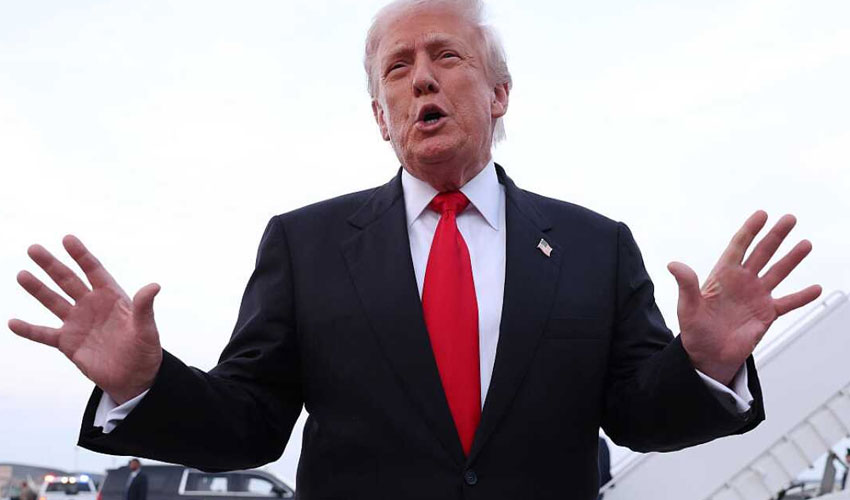
Speaking aboard Air Force One en route to Israel, U.S. President Donald Trump declared, “The war is over.” He expressed hope that “things will return to normal” in the region. Trump is scheduled to address the Israeli parliament on Monday and will later receive Israel’s highest civilian honor from President Isaac Herzog.
While the release has been met with relief, concerns remain over the condition of Palestinian prisoners. Basil Farraj, a professor at Birzeit University in the occupied West Bank, told Al Jazeera that detainees have endured “brutal and violent torture” since October 2023.
“These prisoners have been beaten, tortured, and violated. We’ve heard horrifying stories, including sexual violence,” Farraj said, adding that the struggle of those still behind bars continues despite the current release.


.jpg)