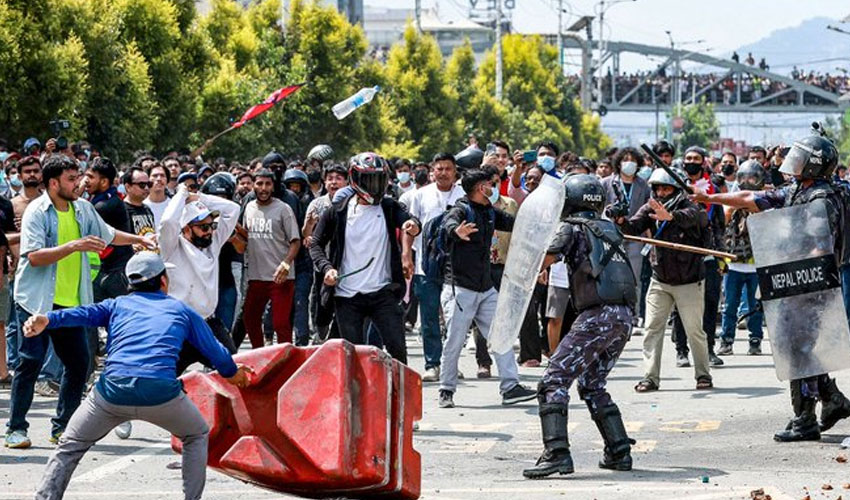
Nepal has lifted its week-long ban on social media platforms after nationwide protests against the restriction turned violent, leaving 19 people dead and more than 100 injured.
Communications and Information Technology Minister Prithvi Subba Gurung confirmed on Tuesday that the government had withdrawn the ban on platforms such as Facebook, which had been blocked last week.
“We have withdrawn the shutdown of social media. They are working now,” Gurung told Reuters.
The decision follows mass protests, largely led by young demonstrators calling themselves "Gen Z," who took to the streets against corruption and restrictions on digital freedoms.
What sparked protests?
Last week, authorities blocked access to multiple social media sites, citing concerns over fake IDs, hate speech, and misinformation. Officials said the platforms had failed to register with the government as required.
The move, however, ignited outrage among young Nepalis, who viewed it as an attack on freedom of expression. Organisers described the demonstrations as a reflection of their generation’s frustration with widespread corruption and the lack of economic opportunities.
Protests spread across Nepal
The protests escalated on Monday, spreading beyond Kathmandu into other cities of the Himalayan country. Clashes between demonstrators and security forces turned deadly, marking one of the most violent youth-led movements in Nepal in recent years.
According to reports, 19 people lost their lives while more than 100 others were injured.
Official response
Prime Minister KP Sharma Oli expressed sorrow over the deaths and said the violence had been fuelled by “infiltration from different selfish centres.”
He announced relief for the families of those killed and pledged free medical treatment for the injured. An investigation panel will be set up within 15 days to determine the causes of the unrest, assess damages, and propose measures to prevent similar incidents in the future.

.jpg)