French Prime Minister François Bayrou was forced to resign on Monday after losing a crucial confidence vote in parliament, plunging the country into political turmoil amid economic uncertainty and rising geopolitical tensions.
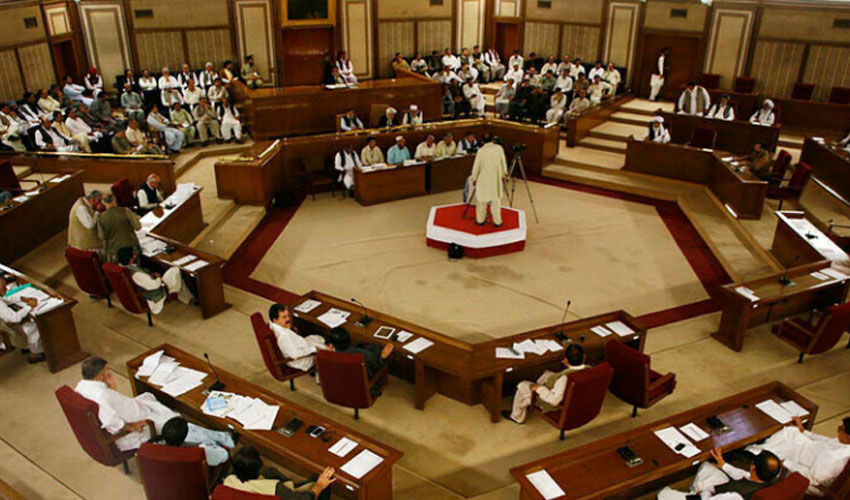
Bayrou’s austerity-driven €44 billion ($51bn) savings plan — which proposed scrapping two public holidays and freezing state spending — was overwhelmingly rejected, with 364 lawmakers voting against and 194 in favour, far surpassing the 280 votes needed to topple the government.
The defeat makes Bayrou the second French premier in less than a year to be ousted by parliament, following the downfall of Michel Barnier last December. He will formally tender his resignation to President Emmanuel Macron on Tuesday morning, according to the Élysée Palace.
Macron’s narrowing options
Macron, already weakened by last year’s snap parliamentary elections that left him without a clear majority, must now appoint a new prime minister. Possible successors include Armed Forces Minister Sébastien Lecornu and Justice Minister Gérald Darmanin, though the role is widely seen as a “poisoned chalice” given the fragmented political landscape.
Opposition parties have warned they will not tolerate another centrist appointment. Both the far right and far left have pledged to immediately trigger another no-confidence vote if Macron names a premier from his own camp.
Far-right leader Marine Le Pen renewed her call for Macron to dissolve parliament, though fresh elections would almost certainly bolster her National Rally party. A recent Elabe poll placed the far right in the lead, the left in second place, and Macron’s centrist alliance trailing in third.
Economic and political fallout
The political crisis has already rattled investors. Yields on French government bonds rose above those of Spain, Portugal and Greece, reviving concerns about the eurozone’s financial stability. A possible downgrade of France’s credit rating later this week could further undermine market confidence.
In an impassioned address before the vote, Bayrou defended his unpopular measures, warning lawmakers:
“You have the power to bring down the government, but you do not have the power to erase reality. Expenses will continue to rise, and the burden of debt, already unbearable, will grow heavier and more costly.”
He also admitted France had “broken the social contract” with younger generations by allowing debt to spiral.
Street anger rising
The collapse of the government has amplified public frustration. The far left has called for nationwide demonstrations under the slogan “Bloquons tout” (“Let’s block everything”), with trade unions preparing another major protest on September 18.
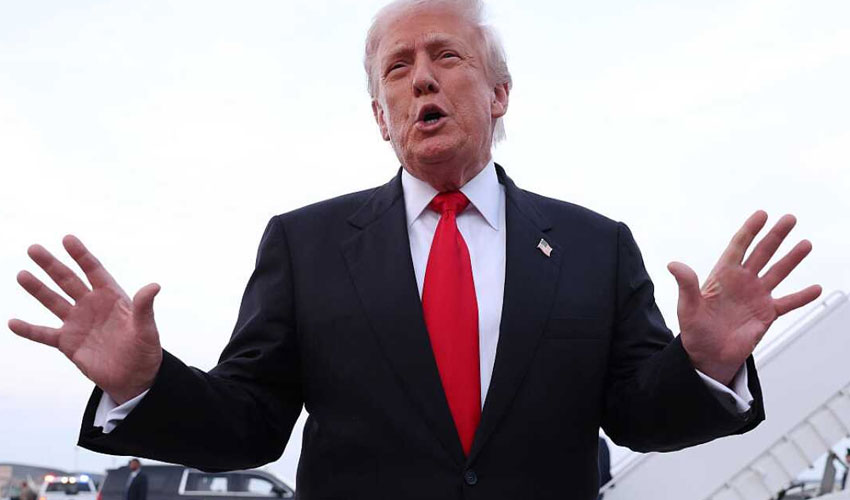
Analysts warn the crisis comes at a perilous geopolitical moment. With wars raging in Ukraine and the Middle East, instability in Paris is likely to embolden Russian President Vladimir Putin and U.S. President Donald Trump, both of whom have mocked Europe’s political divisions.





.jpg)