Indian Prime Minister Narendra Modi will not attend the 80th United Nations General Assembly (UNGA) this year, a decision widely seen as a retreat amid worsening ties with the United States.
Instead, External Affairs Minister S. Jaishankar will address the assembly on September 27.
While the annual UNGA debate is traditionally a stage for world leaders to engage in global diplomacy, Modi’s absence signals strained relations with Washington and missed opportunities for bilateral dialogue. The cancellation also deprives India of visibility at a moment when major powers are reasserting their influence on the world stage.
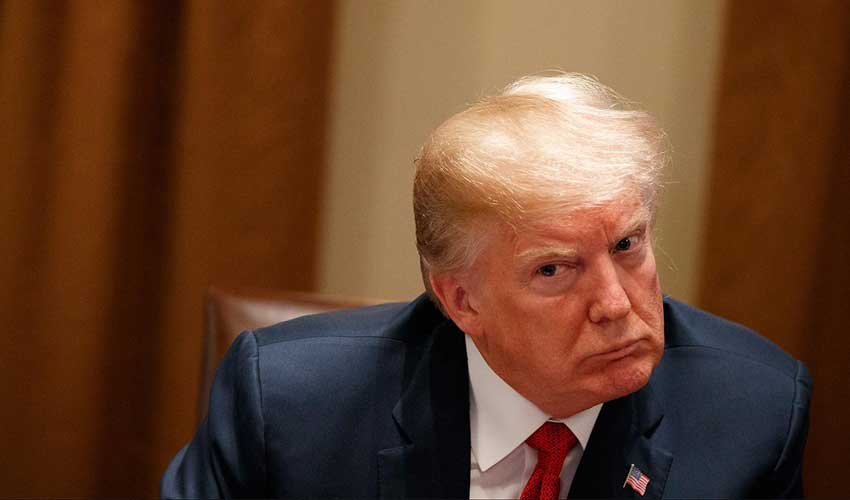
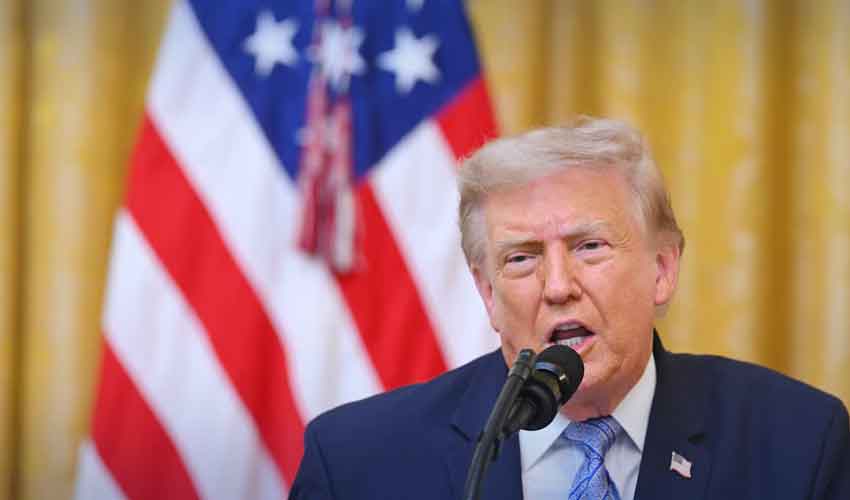
At the heart of the dispute is US President Donald Trump’s decision to impose an additional 25% tariff on India for purchasing Russian oil. Modi denounced the move as “economic selfishness,” but his strong rhetoric has done little to ease the standoff. Critics argue the row exposes flaws in his foreign policy approach, which has increasingly left India isolated on contentious issues.
Domestic priorities over global engagement
Fresh from visits to Japan and China, Modi has chosen to remain at home, citing domestic reforms promised in his Independence Day speech. However, analysts suggest the decision reflects a desire to avoid difficult questions on India’s economic slowdown and its growing dependence on imported energy.
In public speeches, Modi has championed India’s semiconductor manufacturing ambitions as a path to self-reliance. Yet, experts warn the policy remains underdeveloped and risks being overshadowed by trade disputes and geopolitical tensions that could limit foreign investment.
.jpg)