India desperately needs a course correction. Its foreign policy suggests that the country wants to play both sides of the fence – the US and China – and still get away with it. That is a risky game with the potential to backfire. The rigidity India has been showing on the global stage over the past few months is bound to push it toward isolation and take a toll on its economy.
To avoid being crushed under the weight of its own inflexibilities and steer clear of an economic disaster, New Delhi would have to rethink its policy. But before that, it would have to throw out the dead weight, which in this case includes External Affairs Minister Subrahmanyam Jaishankar and National Security Advisor Ajit Doval, for they are leading India into unprecedented lows.
As odd as it may sound, the toxic duo’s removal is necessary for the survival of the BJP and the Modi government, as their policies have remained detrimental to India’s own interests. The way the two officials keep mishandling the situation on both internal and external fronts in the aftermath of recent Pakistan-India tensions speaks volumes about their jingoism, miscalculation and mismanagement of foreign policy. And that is just one side of the story.
Although the two officials have apparently been calling the shots, they are not the ones drafting the script. It is an open secret that India’s current foreign policy comes more from think tanks than the power corridors themselves. Two of the major research institutes shaping the policy of late are Observer Research Foundation America and India Foundation. Interestingly, ORF America, set up in 2020 just months after the revocation of Indian Illegally Occupied Jammu and Kashmir’s special status, was founded by the external affairs minister’s son Dhruva Jaishankar, while the incumbent NSA’s son Shaurya Doval founded the India Foundation in 2009, just months after the Mumbai attacks. Every flawed idea from these think tanks eventually reaches Modi’s desk, and is incorporated in the foreign policy thanks to those delivering them.
Considering the parochialism and rigidity prevailing in India, the country would have no friends in Washington, Beijing or Moscow. It will eventually be pushed to the back foot and forced to rewrite its strategy to survive among the big players
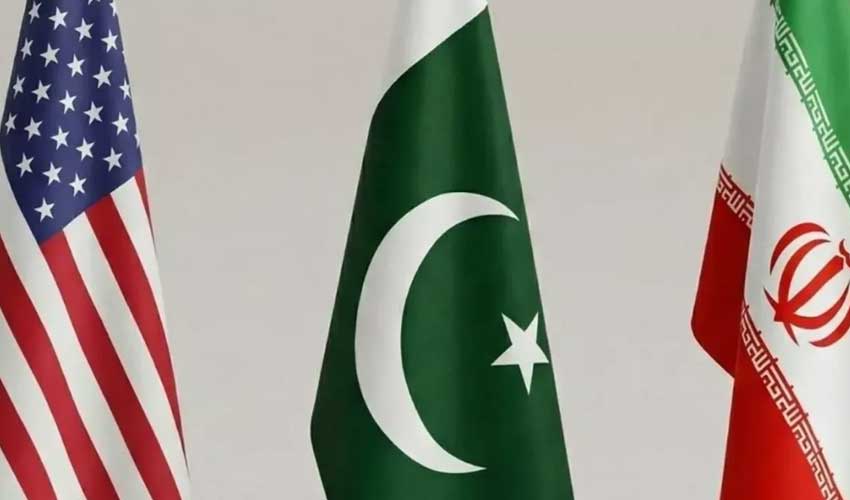
For years, India’s foreign policy has projected openness. It welcomed all, and reaped benefits in return. However, that tradition appears to be breaking now. Today, the wave of nationalism is wrecking the very foundations of diplomacy. One example is Prime Minister Narendra Modi repeatedly denying US President Donald Trump’s mediation role during the recent tensions with Pakistan. Washington has not forgotten that slight, and it does not appreciate being made to look irrelevant. Even a layman is able to see the danger signs flashing brightly.
Considering the parochialism and rigidity prevailing in India, the country would have no friends in Washington, Beijing or Moscow. It will eventually be pushed to the back foot and forced to rewrite its strategy to survive among the big players. Even if New Delhi decides to jump ship and exit the US bloc, it is left with limited options. There is no one else waiting with open arms except China. And if Modi is only flirting with Beijing to irk the Americans, he should know this move will backfire. The recent success of Pakistan’s diplomatic approach should serve as a guideline, whether New Delhi likes it or not.
The refusal to accept reality is costing New Delhi dearly, and the impact will show in balance sheets. The economy that India brags about is more fragile than its size suggests. It took years to build, but if New Delhi stays rigid, it will take much less time to see it collapse. The first blow will come through supply chains. If India fails to manage them, it will miss deadlines on international orders. Add to this the 50% tariff the US has maintained on Indian products, and the situation gets worse. Higher prices will make Indian goods less attractive, while buyers will turn to China or other markets offering better rates. That will be a heavy blow to India’s trade and its image as a reliable partner. Then there is the oil gamble. If India stops buying Russian oil to please the US, it will not hurt Moscow because China is there to pick up the barrels. The only loser in this equation will be India.
The trouble does not end there. The social cost of India’s missteps is already surfacing. The media portrayal of recent Florida triple murder involving Indian truck driver Harjinder Singh reflects the changing mood in the West. Indians are no longer seen the way they once were, and have been given a clear message that they are not welcome anymore. India’s foreign policy has put at stake not only the reputation of its nationals but also their jobs. By holding on to its hardline stance, the Modi government is risking the dignity of its expatriates, especially those working in tech giants across the US.
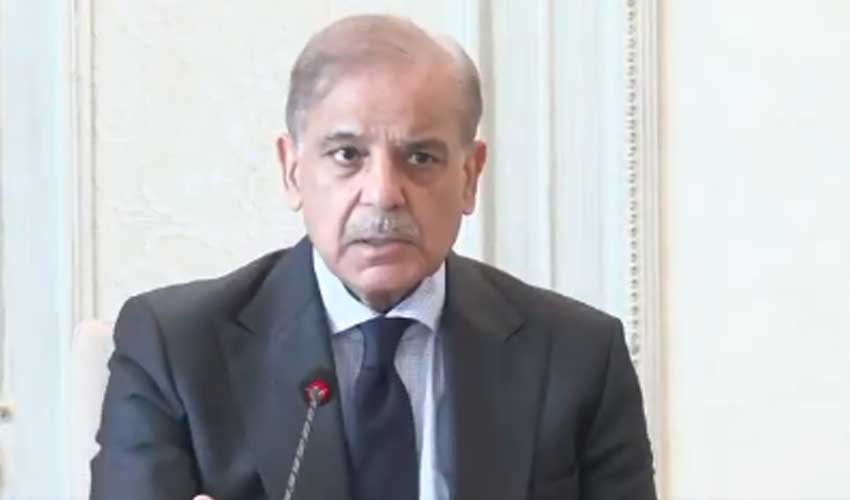
Meanwhile, the upcoming Shanghai Cooperation Organization (SCO) Tianjin Summit 2025 starting next week offers a glimmer of hope. The moot will put prime ministers Shehbaz Sharif and Narendra Modi under the same roof. Although the Foreign Office has denied any planned meeting between the two leaders on the sidelines of the summit, there are bright chances of an off-the-line meeting, arranged with China’s help. This opportunity to bring down tensions between the two countries should not be allowed to slip away.
The Modi government’s foreign policy appears driven by an infused ego and pseudo-nationalism, ill-suited for diplomacy, for they can distort rational decision-making in international relations. It is high time for the Modi government to rid itself of relics, recalibrate its foreign policy, and move beyond baser instincts to avoid further damage to India and the region.
.jpg)