Pakistan’s trade balance has deteriorated sharply in the first seven months of fiscal year 2025–26 after the government eased import restrictions under pressure from the International Monetary Fund (IMF).
From July 2025 to January 2026, imports more than doubled compared to exports, pushing the trade deficit to a staggering $22 billion.
According to official figures, exports during the seven-month period stood at $18 billion. In contrast, imports crossed $40 billion — a record level for the period. As a result, the trade deficit widened rapidly to $22 billion, reflecting mounting pressure on the external account.
The surge comes after Pakistan accepted the IMF’s demand to relax import restrictions, a move aimed at normalizing trade flows but now contributing to a growing imbalance.
Luxury imports see sharp increase
In just seven months, Pakistan imported cars and smart mobile phones worth $2.5 billion.
Car imports alone surged 137% to $1.14 billion. Meanwhile, imports of transport vehicles, including buses, trucks, and other heavy vehicles, jumped 94% to $2.29 billion.
Statistics show a 33% increase in imports of expensive, premium-model smartphones. Monthly mobile phone imports reached Rs50 billion, while smartphone imports totaled more than $1.13 billion in seven months -- exceeding the IMF’s $1 billion loan installment.
Food imports rise
Food imports also recorded a notable increase. Imports of milk, butter, cream, dried fruits, spices, cooking oil, and pulses rose 19% to $5.5 billion during the period.
Pakistanis consumed imported tea worth Rs106 billion, or approximately $380 million, in seven months. Additionally, $174.6 million was spent on sugar imports alone.
While overall imports surged, petroleum product imports declined by 4.39% to $9 billion. Textile imports also decreased by 4.22%, settling at $3.94 billion during the seven-month period.
Machinery, agriculture, metals imports climb
Machinery imports rose 13% to more than $6 billion, indicating increased industrial purchases. Imports of agricultural equipment and chemicals climbed 8.9% to $6.27 billion.
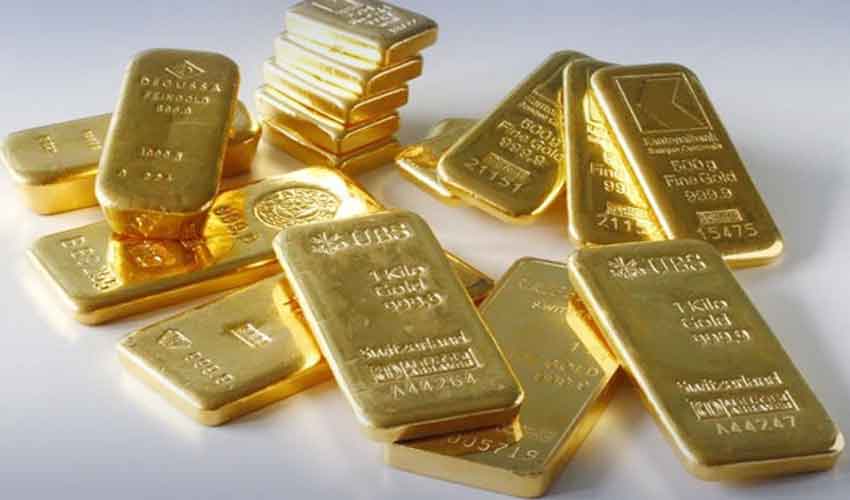
Meanwhile, imports of metals, including gold, silver, iron, and steel, increased 19% to $3.87 billion, adding further pressure on the import bill.
The widening trade gap highlights the economic impact of easing import controls as part of IMF-backed reforms. With imports significantly outpacing exports, economists warn that sustaining such a high trade deficit could increase pressure on foreign exchange reserves and the rupee in the coming months.


.jpg)