The US plans to largely withdraw its remaining forces from Syria over the next few months, a senior White House official told the BBC.
The move comes as Washington increases military readiness near Iran amid growing regional tensions.
American troops have been stationed in Syria since 2015 to counter the Islamic State (IS) group as part of an ongoing anti-terrorism campaign. The White House official noted that the Syrian government has now agreed to take the lead in combatting terrorism within its borders, making a large-scale US military presence “no longer required.”
Approximately 1,000 troops remain in the country, and their departure will follow a conditions-based transition plan. The US maintains readiness to respond to threats in the region as needed.
Increased US military posture near Iran
The withdrawal comes alongside a significant US military buildup in the Middle East, particularly near Iran. BBC verification confirmed the USS Abraham Lincoln, an aircraft carrier equipped with guided missile destroyers and fighter jets, is positioned close to Iranian waters.
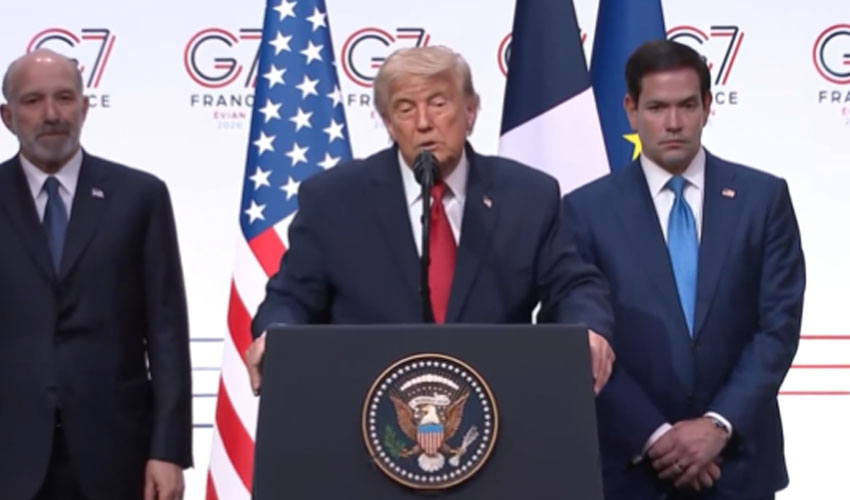
Additionally, the USS Gerald R. Ford, the world’s largest warship, has been sent to the region and is expected to arrive within three weeks. Senior US security officials told CBS News that President Trump has indicated the military could be prepared to launch potential strikes on Iran as soon as Saturday, though no final decision has been made.
Recent US military movements in Syria
Earlier this year, US forces vacated two bases: the al-Tanf garrison in southern Syria and the al-Shaddadi base in the northeast. These moves followed the collapse of the Assad government in 2024 and a weakened Islamic State, which contributed to improved security conditions in Syria.
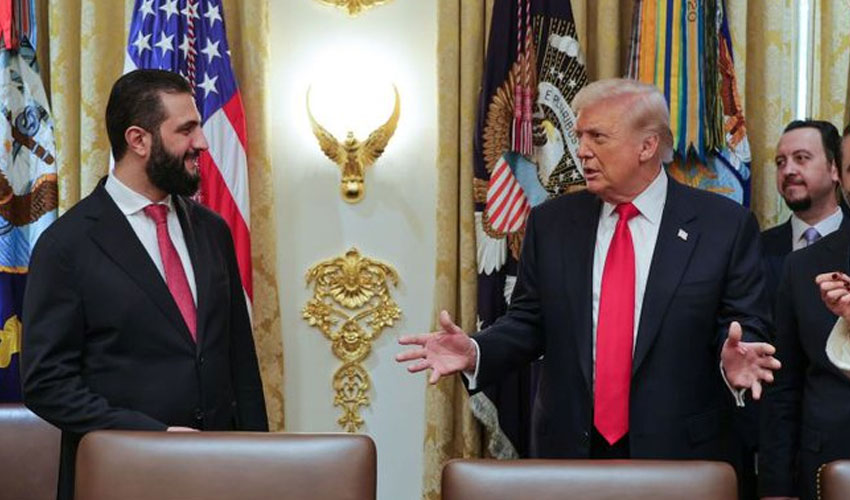
The Trump administration has also sought to strengthen diplomatic ties with Damascus. Syrian President Ahmed al-Sharaa visited the White House in November — the first such visit in the country’s history.
Sharaa’s government has reached agreements integrating Kurdish-led Syrian Democratic Forces with Syria’s armed forces. Secretary of State Marco Rubio met with Syrian Foreign Minister Asaad al-Shaibani to discuss ceasefire maintenance and ongoing counterterrorism efforts.
Despite these advances, threats remain. In December, an ambush in Palmyra, Syria, killed a translator and two Iowa National Guard members. The US responded with Operation Hawkeye Strike, conducting targeted raids against IS positions.



.gif)
.jpg)