The United States and China have agreed to extend their tariff truce by 90 days, averting a sharp surge in import duties that could have amounted to a near trade embargo between the world’s two largest economies.
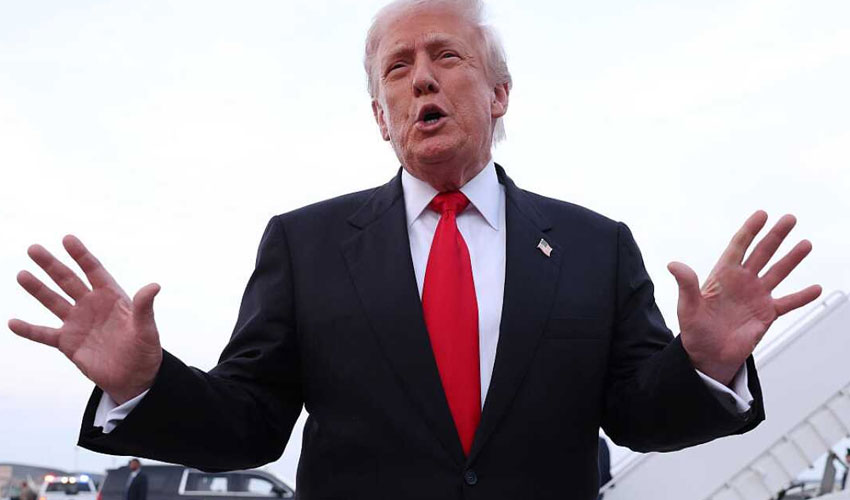
President Donald Trump signed an executive order on Monday delaying higher tariffs on Chinese goods until November 10, while Beijing announced a parallel pause on its planned duties against U.S. products.
What the extension means for trade
The truce, originally set to expire Tuesday, keeps U.S. tariffs on Chinese imports at 30% and Chinese tariffs on U.S. goods at 10%. Without the extension, duties were set to jump to 145% and 125% respectively — a scenario U.S. retailers warned would devastate supply chains ahead of the crucial holiday season.
Read also: Iran vows to block Azerbaijan-Armenia corridor
The move allows importers to stock up on electronics, apparel, and toys at lower rates in preparation for year-end sales.
Signals of progress toward a broader deal
In his order, Trump said the extension reflects China’s “significant steps” toward addressing U.S. concerns over trade reciprocity, national security, and market access. Chinese officials described it as a measure to implement agreements made during a June 5 call between Trump and President Xi Jinping.
RELATED: India condemns extra US tariffs as 'unjustified, unreasonable'
Former U.S. trade negotiator Wendy Cutler called the decision “positive news,” noting recent de-escalatory steps from both sides that could pave the way for a Xi-Trump meeting this fall.
Political and economic backdrop
The truce follows months of talks, including meetings in Geneva and Stockholm. Treasury Secretary Scott Bessent has previously warned that the triple-digit tariffs imposed earlier this year were unsustainable.
Analysts say Trump likely sought additional concessions before agreeing to the extension, including increased Chinese purchases of U.S. soybeans — though such demands were absent from Monday’s announcement.
Meanwhile, Washington continues to pressure Beijing over its purchases of Russian oil, warning of possible secondary tariffs.
Commerce Department figures show U.S. imports from China surged early this year as companies raced to beat higher tariffs, then dropped sharply in June. The U.S. trade deficit with China narrowed to $9.5 billion in June, the lowest since 2004, marking a 70% year-on-year reduction over the past five months.






.jpg)