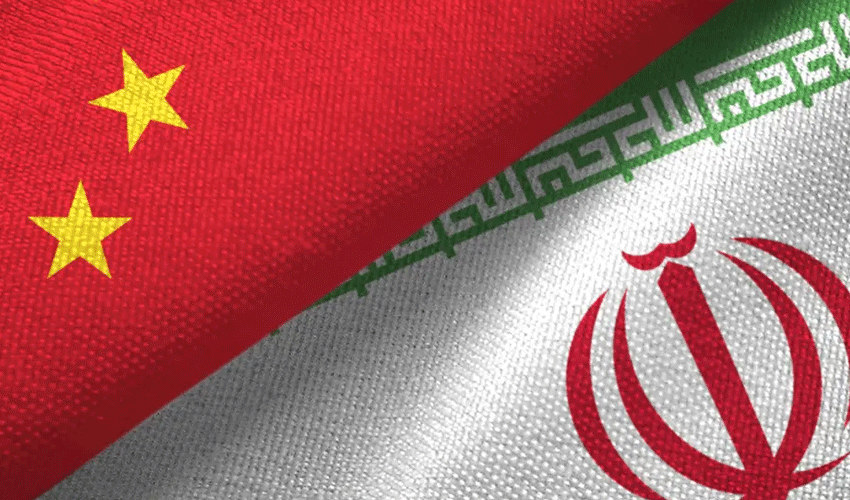
In a strong rebuttal to Washington’s growing pressure, China has refused to stop purchasing oil from Russia and Iran, declaring that it will prioritize national energy security and economic interests over external demands.
China defies US call to cut Russian, Iranian oil ties
Following two days of trade negotiations in Stockholm, the Chinese Foreign Ministry posted a firm response on X, rejecting the US demand that Beijing halt oil imports from Russia and Iran — a key issue that has emerged as a stumbling block in ongoing efforts to resolve trade disputes between the world’s two largest economies.
“China will always ensure its energy supply in ways that serve our national interests,” the ministry said. “Coercion and pressuring will not achieve anything.”
The statement comes in response to US threats of imposing a 100% tariff on Chinese goods if Beijing refuses to comply.
Sovereignty and oil security at the forefront
Chinese officials reiterated that Beijing has no intention of revising its energy policy and will “vigorously defend” its sovereignty, security, and development interests.
The Foreign Ministry's language highlighted a confident and strategic posture: not only is China continuing oil imports from sanctioned nations, but it is also doing so with clear intent to sustain its economic momentum while navigating a complex geopolitical landscape.
US sees mixed signals, but negotiations continue
Despite the tough rhetoric, US Treasury Secretary Scott Bessent said trade talks have not broken down. “The Chinese take their sovereignty very seriously,” he told reporters. “But I believe we have the makings of a deal.”
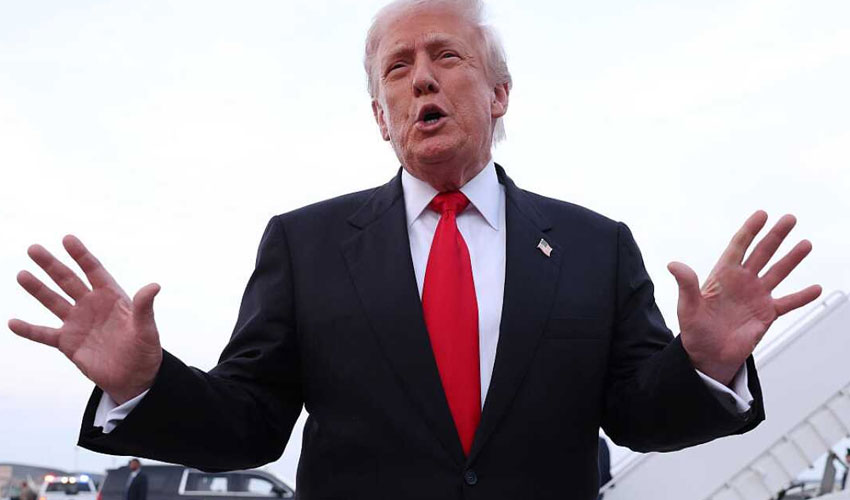
Analysts note that President Trump’s aggressive tariff threats could undermine diplomatic progress, especially as both sides prepare for a potential fall summit between Trump and President Xi Jinping.
Gabriel Wildau of consultancy firm Teneo remarked, “Actually imposing a 100% tariff would likely derail the entire trade negotiation.”
Oil at the heart of US geopolitical concerns
Washington’s demand is driven by a broader goal: to limit the revenue streams of Russia and Iran, which the US says fund the war in Ukraine and militant activities in the Middle East.
China, however, continues to benefit from discounted Russian and Iranian crude. A 2024 US Energy Information Administration report revealed that 80–90% of Iranian oil exports now go to China, amounting to over 1 million barrels per day. Similarly, Chinese imports of Russian oil surged 20% in April alone.
A CBS investigation also found that China is circumventing US sanctions by using a "dark fleet" to quietly transport Iranian oil via ship-to-ship transfers.
US lawmakers seek tough response
In Washington, Senator Lindsey Graham has introduced bipartisan legislation allowing for tariffs up to 500% on countries buying Russian energy, including oil, gas, and uranium.
“The purpose of this legislation is to break the cycle of China buying oil below market price from Putin’s Russia,” Graham said. “This fuels the Russian war machine.”
The bill currently has 84 Senate co-sponsors, with a corresponding version introduced in the House. While it remains on hold for now, Republicans say they’re prepared to move forward if Trump signals support.



.jpg)