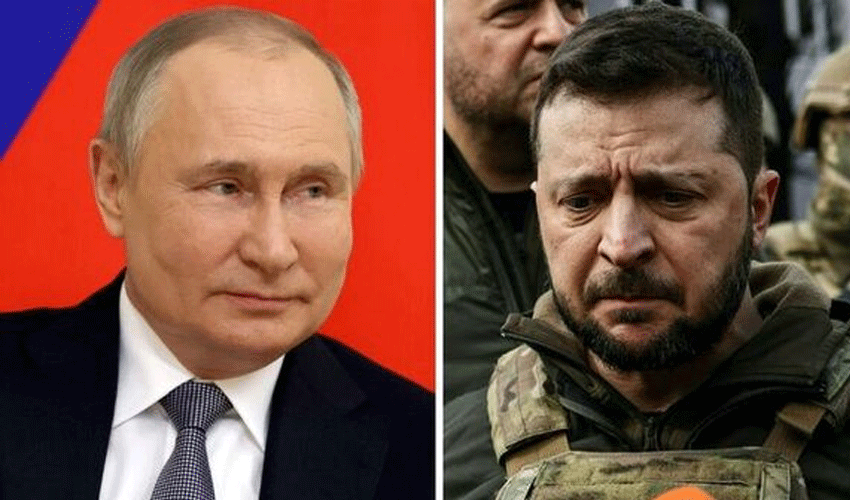
Russian President Vladimir Putin has reaffirmed his intention to absorb all of Ukraine into the Russian Federation, even as European nations pledged increased military assistance to Kyiv amid a freeze in US aid.
Addressing the Saint Petersburg Economic Forum on June 20, Putin repeated a longstanding Kremlin position, declaring: “I have said many times that the Russian and Ukrainian people are one nation, in fact. In this sense, all of Ukraine is ours.”
The remarks come as the war in Ukraine, now in its third year, continues to intensify. According to Ukrainian President Volodymyr Zelenskyy, Russian forces currently number around 695,000 troops inside Ukrainian territory, with an additional 52,000 attempting to open a new front in Sumy, near the northeastern border.
The military escalation on the ground coincided with the NATO summit held in The Hague on June 24–25. NATO Secretary-General Mark Rutte said European and Canadian allies had pledged nearly $35 billion in military support for Ukraine so far this year, with figures possibly nearing $40bn—closing in on last year’s $50bn total aid.
“This shows the strength of resolve among Ukraine’s allies, especially in Europe, where the war is seen as an existential threat to the continent’s security,” said Rutte during a press briefing.
Germany and several other NATO allies announced plans to increase their defence spending to 5% of GDP by 2035, aligning with a demand made by former US President Donald Trump after his re-election last year.
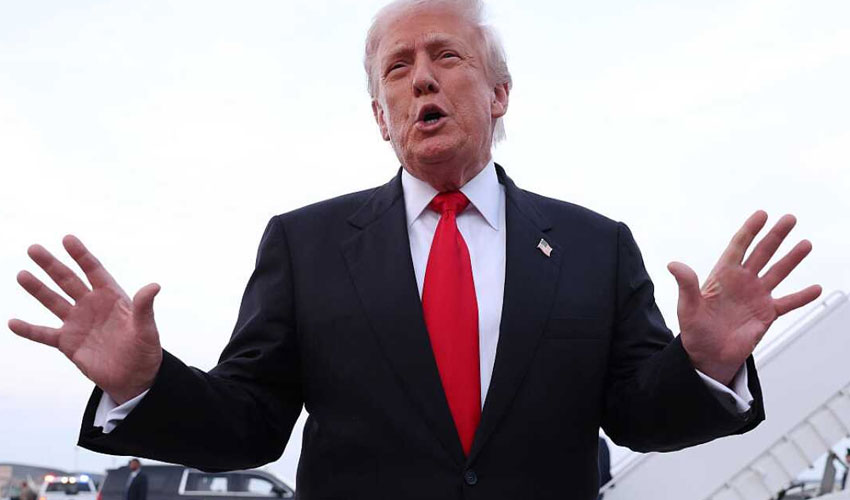
While Trump attended the NATO summit, he did not announce any new pledges of military support for Ukraine. Instead, he confirmed only that his administration had sold some F-16 aircraft parts to Kyiv in May. Ukrainian President Zelenskyy had earlier expressed interest in purchasing Patriot missile defence systems to counter daily Russian missile and drone attacks.
At a press conference during the summit, Trump said, “We’re going to see if we can make some available,” referring to Patriot interceptors already deployed in Ukraine. “They’re very hard to get. We need them too, and we’ve been supplying them to Israel,” he added.
Trump’s tone on Putin appeared more critical than in previous years, when he was accused of being overly accommodating to the Russian leader.
“I consider him a person that’s, I think, been misguided,” Trump said. “Vladimir Putin really has to end that war.”
However, a Kremlin ceasefire offer remains contingent on the complete halt of military support to Ukraine from Western nations—a condition rejected by Kyiv and its allies.
Kremlin spokesperson Dmitry Peskov reiterated this stance on Saturday, stating that Russia would consider talks only if arms shipments to Ukraine ceased.
Despite international appeals, the conflict shows no signs of de-escalating. Ukraine’s General Staff reported an average of 200 Russian ground assaults per day during the week of the NATO summit, highlighting the scale of ongoing hostilities.
The situation on the battlefield, combined with Putin’s rhetoric, has renewed concerns across Europe about Russian ambitions beyond Ukraine.
Analysts say the increased defence commitments by European NATO members reflect not only solidarity with Ukraine but also growing anxiety over the Kremlin’s long-term objectives.
With the US taking a more cautious role, at least publicly, European nations appear to be stepping up to fill the void.
.jpg)