Israel has carried out strikes on targets within Iran, escalating a conflict that puts at risk a nation long home to one of the Middle East’s oldest Jewish communities. Estimates place between 17,000 and 25,000 Iranian Jews predominantly in Tehran, Isfahan, Shiraz, Hamedan and Tabriz, making Iran the second‑largest Jewish population in the region after Israel.
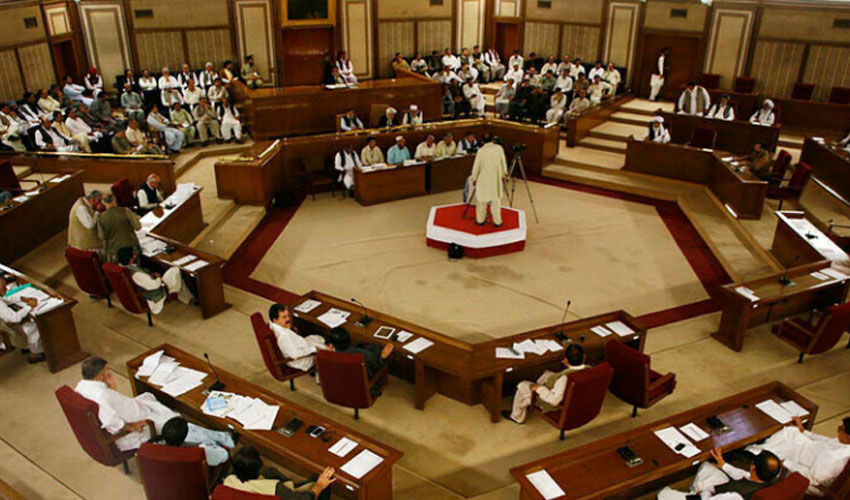
The community, represented by a reserved seat in Iran’s parliament (the Majlis), maintains over 50 synagogues in Tehran alone and operates a hospital open to all faiths. One of Isfahan’s most prominent synagogues stands adjacent to the historic Al Aqsa mosque, highlighting centuries of coexistence.
Jewish ties to Persia date back some 2,700 years. Tradition holds that Queen Esther and her uncle Mordechai—central figures in the Hebrew Bible—are buried in Hamedan. In later eras, Iran provided refuge to Jews fleeing the Spanish Inquisition and Holocaust, though the community also endured forced conversions under Safavid and Qajar dynasties and saw many emigrate after the 1979 revolution.
As military operations intensify, community leaders fear for the safety of synagogues, cultural sites and the continued vitality of Iran’s Jewish population, which has weathered both sanctuary and persecution over millennia.




.jpg)