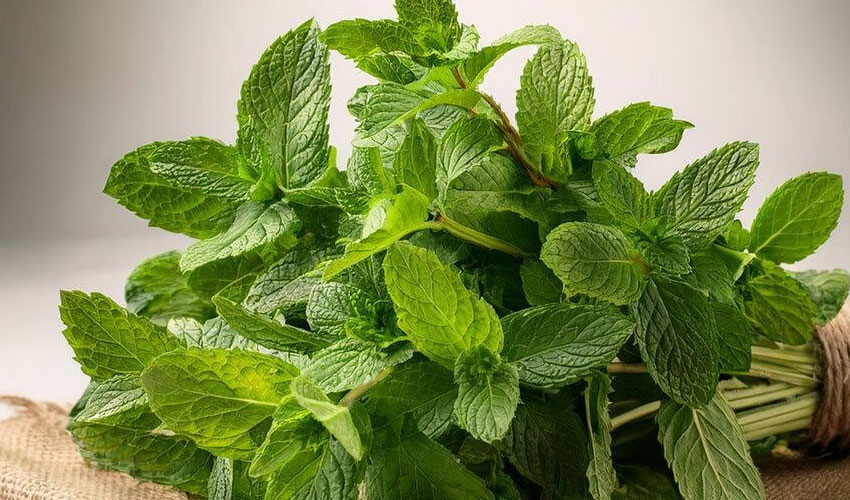
Mint, a common kitchen herb, may offer a range of health benefits, including improved digestion, reduced stress and better oral health, according to nutrition experts and scientific studies.
However, experts caution that it may not be suitable for everyone.
Nutritionists say mint is more than just a garnish or flavouring, noting that regular consumption may help protect against several health problems naturally.
May improve digestion
Mint contains menthol, a compound that helps relax the muscles of the stomach and intestines.
According to scientific reviews, peppermint oil has shown effectiveness in relieving symptoms of irritable bowel syndrome (IBS), including stomach pain, bloating, gas and abdominal cramps.
May reduce stress and anxiety
Researchers say menthol may also have calming effects on the nervous system.
A 2022 study found that inhaling peppermint oil helped reduce anxiety, mental fatigue and stress among participants, suggesting it could have potential mental health benefits.
Supports oral health
Chewing fresh mint leaves can increase saliva production and freshen breath.
Experts say the herb's natural antibacterial properties help fight germs linked to bad breath and gum disease, making it a healthier alternative to sugary mint candies.
Who should avoid mint?
Despite its health benefits, experts advise caution for some individuals.
People with acid reflux, heartburn or hiatal hernia should avoid excessive peppermint consumption because it may relax the valve between the stomach and oesophagus, potentially worsening acid reflux.
Those with gallbladder disorders are also advised to consult a healthcare professional before consuming peppermint regularly.