Global investors were reminded on Wednesday of how quickly geopolitical tensions can reignite inflation concerns after US President Donald Trump declared an interim agreement with Iran to end the conflict "over," sending oil prices sharply higher and weighing on inflation-sensitive assets.
Brent crude futures rose $3.81, or 5.14%, to $77.97 a barrel by 1339 GMT, while US West Texas Intermediate crude gained $3.36, or 4.77%, to $73.80 a barrel. Both benchmarks touched their highest levels since June 22 earlier in the session.
The latest rally followed Trump's warning that the United States would likely carry out additional strikes on Iran on Wednesday night after attacks the previous day. He also said Washington could take control of Kharg Island, Iran's main oil export terminal.
Trump said earlier on Wednesday that the memorandum of understanding signed with Iran to end the conflict was "over" and added that he no longer wanted to engage with Tehran.
The surge in crude prices revived concerns that higher energy costs could fuel inflation, prompting declines in inflation-sensitive assets, including government bonds and gold.
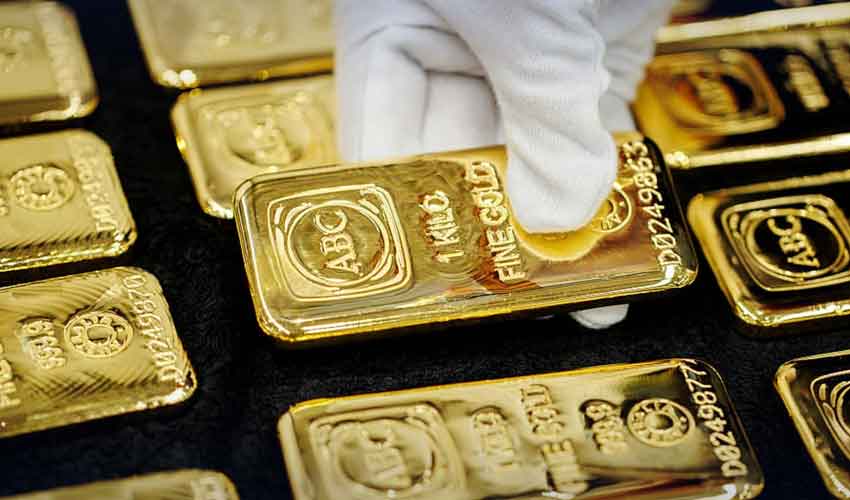
Gold Doesn’t Shine
Gold is 23% below where it was before the war broke out. Up to that point it had enjoyed a six-month run that lifted the price by 70% as central banks, institutional investors and day traders all jumped on the bullion bandwagon.
Having enjoyed a tentative rally since the start of July, gold is almost back where it started the month, trading down 1.1% on the day at $4,060 an ounce.
The precious metal, generally regarded as a safe-haven asset and hedge against inflation, initially rose when the Iran war began, but turned sharply lower pretty much instantly.
Instead of safe-haven demand, dollar strength and increased bets that central banks would hike rates dominated investors' thinking, putting prices under pressure.
Bond Yields Surge
Bond yields jumped after Trump’s comments, taking their cue from oil prices, as traders raised their expectations of price increases and positioned for higher interest rates reversing recent weeks' reduction in bets on hikes.
Contracts tracking euro zone CPI inflation expectations in one year’s time rose 14 basis points (bps) to 1.992%, and traders were last pricing in around 35 bps of further tightening this year from the European Central Bank, up from 25 bps on Tuesday.
They saw 36 bps of tightening from the Federal Reserve, according to LSEG data on the Fed Funds market, and 32 bps from the Bank of England.
Still, markets expect consumer inflation in the U.S. to be around just 2.15% in a year’s time , down sharply from the 4.2% figure recorded in May.
Shorter-dated bonds, which are sensitive to interest rate expectations, were the biggest movers.
Oil had already gained about 3% on Tuesday after the United States revoked a general license authorizing the sale of Iranian crude, adding to worries over potential disruptions to global oil supplies.
Investors are closely watching developments in the Middle East, with renewed tensions raising the prospect of further volatility across energy and financial markets.