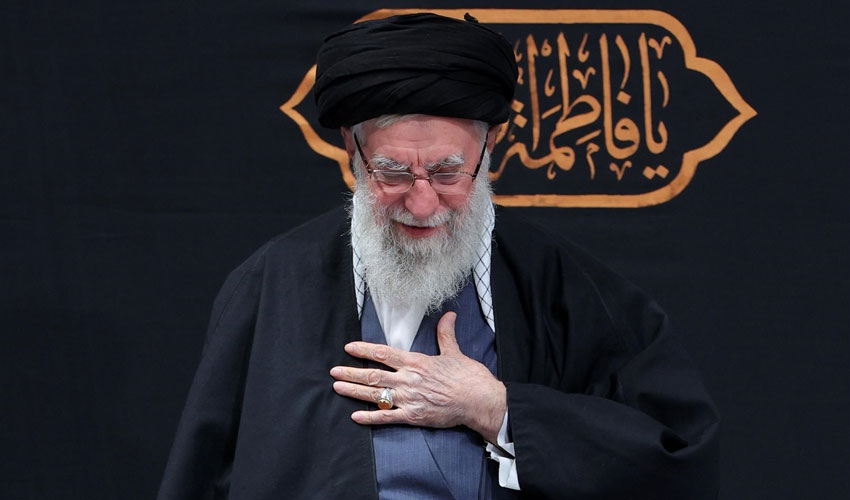
Iranian authorities have begun extensive preparations for the funeral of former Supreme Leader Ayatollah Seyyed Ali Khamenei, with ceremonies planned in Tehran, Qom, and Mashhad.
Officials said millions of people are expected to participate in the mourning events, which could become one of the largest public gatherings in Iran’s modern history.
Mohammad Amin Tavakkoli-Zadeh, Tehran’s Deputy Mayor for Social and Cultural Affairs, said authorities are organizing a series of public mourning ceremonies before the funeral.
According to Iranian media reports, farewell events are expected to continue for three days, allowing the public to pay their respects before funeral prayers and the main procession begin.
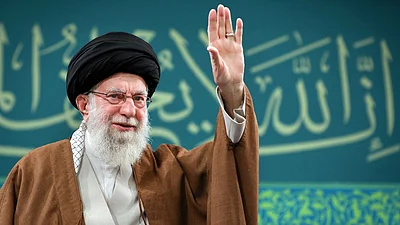
Officials said the funeral procession in Tehran is likely to continue for at least 24 hours due to the anticipated turnout.
Authorities are making arrangements for between 15 million and 20 million mourners in the Iranian capital.
Burial expected in Mashhad
Tavakkoli-Zadeh said Ayatollah Khamenei is expected to be buried near the shrine of Imam Reza in Mashhad, in accordance with his reported wishes and recommendations from those close to him.
Mashhad, Khamenei’s birthplace and one of the holiest cities in Shia Islam, is expected to receive large numbers of visitors from across the region.
Following events in Tehran, additional funeral and memorial ceremonies are expected to take place in the religious centers of Qom and Mashhad.
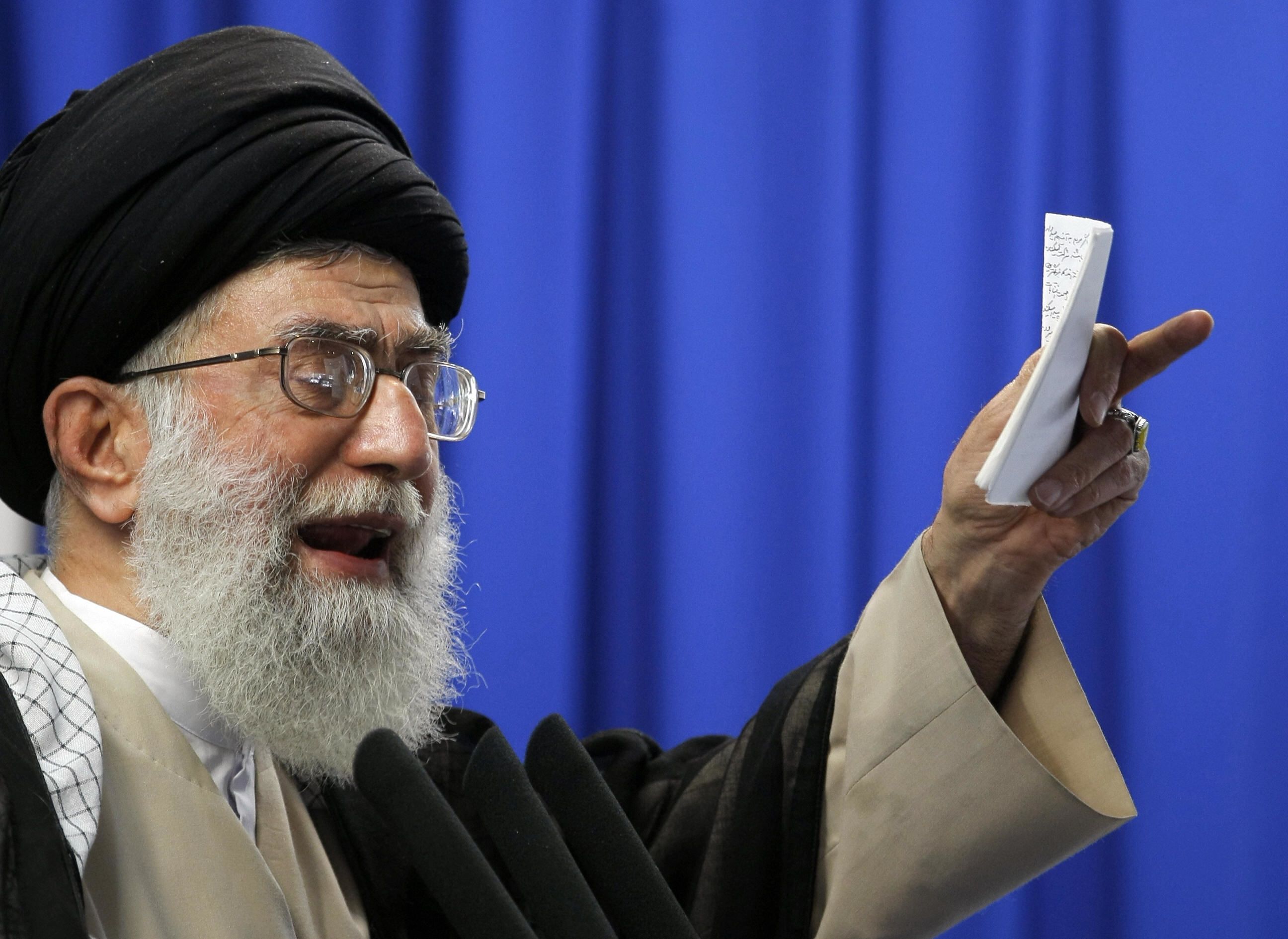
Officials say requests from various provinces to host memorial gatherings are continuing to be received.
Security beefed up
Iranian authorities believe mourners from neighboring countries, including Pakistan, Afghanistan, India, and Bangladesh, as well as visitors from Kashmir, could travel to Mashhad for the ceremonies.
Officials described the funeral as an unprecedented event that is expected to attract mourners from across the Muslim world.
According to Iranian reports, municipal authorities and other state institutions are coordinating logistical arrangements and public facilities to manage the expected crowds. Preparations are also underway to ensure security and crowd management throughout the mourning period.
Background
Ayatollah Ali Khamenei, who served as Iran’s Supreme Leader since 1989, was assisanted in a US-Israeli strike on February 28, according to Iranian state media and multiple international reports.
His death marked a major turning point in Iran’s political landscape and triggered a nationwide mourning period.


.jpg)