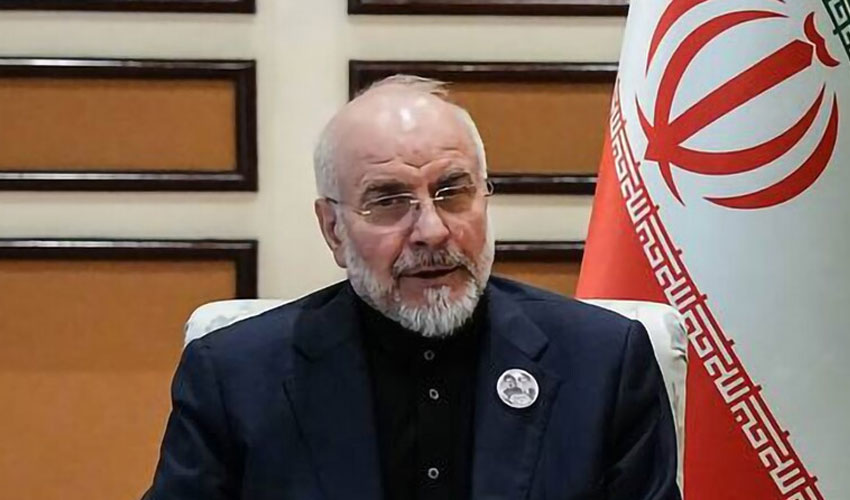
Iran has signaled a hardline stance in ongoing diplomatic efforts with the United States, with its top negotiator saying Tehran will not compromise on its “national rights” during negotiations aimed at ending recent hostilities.
The remarks came during high-level talks in Tehran involving Mohammad Baqer Qalibaf and Pakistan’s Chief of Army Staff Asim Munir, as regional mediation efforts continue to seek a path toward de-escalation.
According to Iranian state media, the discussions in Tehran were part of a broader mediation push led by Pakistan, aimed at narrowing differences between Iran and the United States after weeks of conflict.
The talks reportedly focused on a 14-point framework proposed by Iran, which Tehran views as the basis for any future agreement.
Iranian officials also exchanged messages between the two sides during the meetings, reflecting ongoing but fragile diplomatic engagement.
Iran questions US role in negotiations
Qalibaf reportedly told visiting officials that the United States was “not an honest party” in negotiations and that Iran could not trust a side it believes lacks sincerity.
He reiterated that Iran would pursue its “legitimate rights” both through diplomacy and, if necessary, on the battlefield.
The Iranian speaker also claimed that the country’s armed forces had rebuilt capabilities during the recent ceasefire period.
Warning of consequences if conflict resumes
Qalibaf warned that if the United States “foolishly restarts the war,” Iran’s response would be “more forceful and bitter” than before.
The statement underscores rising tensions despite ongoing diplomatic contacts and mediation efforts involving regional actors.
On the other side, US Secretary of State Marco Rubio said Washington has seen some progress toward a potential deal, though significant work remains.
Iran’s foreign ministry, however, stated that major differences between the two sides are still “deep and significant,” suggesting negotiations remain fragile.
Despite months of conflict, reports indicate Iran has maintained key military capabilities, including near-weapons-grade enriched uranium stockpiles and missile and drone systems.
The situation continues to impact regional stability and global energy markets, particularly with disruptions linked to the Strait of Hormuz.

.jpg)