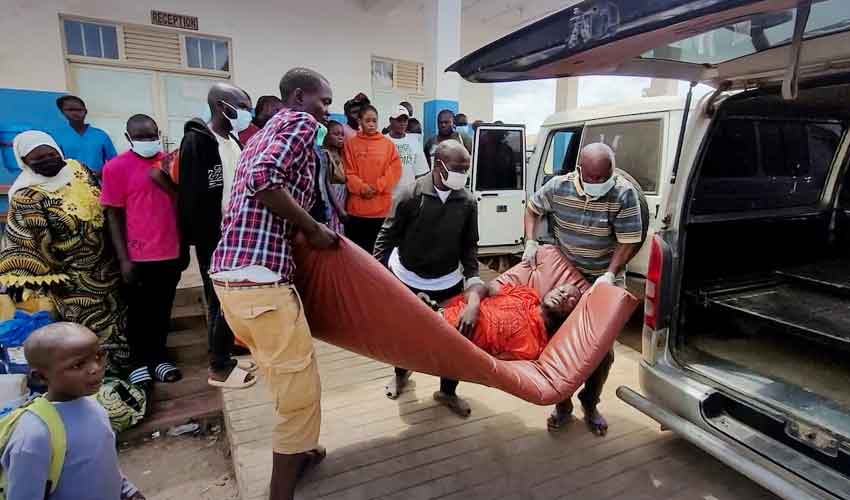
The India-Africa Forum Summit, scheduled to take place in New Delhi next week, has been postponed due to a worsening public health situation linked to an Ebola outbreak in parts of Africa, officials confirmed on Thursday.
The decision was taken jointly by the African Union and India’s Ministry of External Affairs, citing concerns over safety and participation of African leaders amid the evolving crisis.
India’s Ministry of External Affairs said the postponement reflects the need to ensure full participation of African leaders and stakeholders while addressing the ongoing health emergency.
The statement emphasized that the move was made due to the “evolving public health situation in parts of Africa,” particularly in regions affected by the outbreak.
The summit was expected to strengthen cooperation between India and African nations across trade, development, and security sectors.
Ebola outbreak expands in Eastern DR Congo
The decision comes as health authorities in the Democratic Republic of Congo (DRC) struggle to contain a growing Ebola outbreak in the east of the country.
According to reports, the first confirmed case in South Kivu province has been detected in an area now controlled by the Rwanda-backed M23 rebel group.
An M23 spokesperson said the patient, a 28-year-old individual who reportedly came from Kisangani, died before the diagnosis was confirmed.
The outbreak has emerged in a region already affected by armed conflict, making response efforts more difficult for health workers and international agencies.
The M23 group said it is committed to cooperating with international partners to contain the virus, but experts warn that ongoing instability is limiting access to affected communities.
Health teams are reportedly struggling with logistical challenges in densely populated and conflict-affected areas of eastern DRC.
WHO reports rising death toll, suspected cases
According to the World Health Organization (WHO), the current outbreak in the DRC is the country’s 17th Ebola outbreak.
Preliminary figures suggest:
- Around 139 suspected deaths
- Approximately 600 suspected cases
- At least two confirmed cases in neighbouring Uganda
Officials warn that the outbreak may have circulated for weeks before detection, particularly in northern regions before spreading southward.
First responders on the ground have reported shortages of essential medical supplies, complicating containment efforts.
Some reports link these shortages to reductions in international aid funding from major donors, including the United States.
Health experts warn that delays in response could increase the risk of further spread, particularly in urban centers and conflict zones.

.jpg)