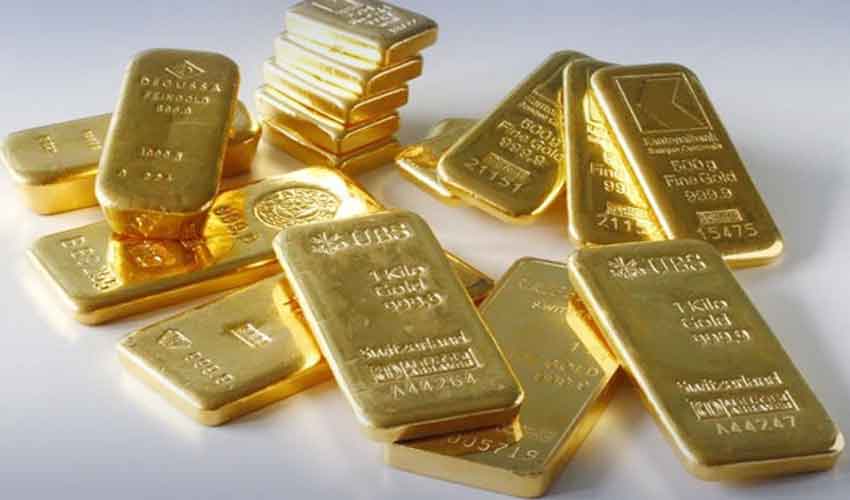
Iran’s Supreme Leader has ordered that the country’s near-weapons-grade enriched uranium must remain inside Iran, according to senior Iranian sources, escalating tensions with the United States during ongoing peace talks.
The development comes as negotiations continue over ending the prolonged Iran-Israel conflict.
The report highlights widening gaps between Tehran, Washington, and Israel over one of the most sensitive issues in the talks.
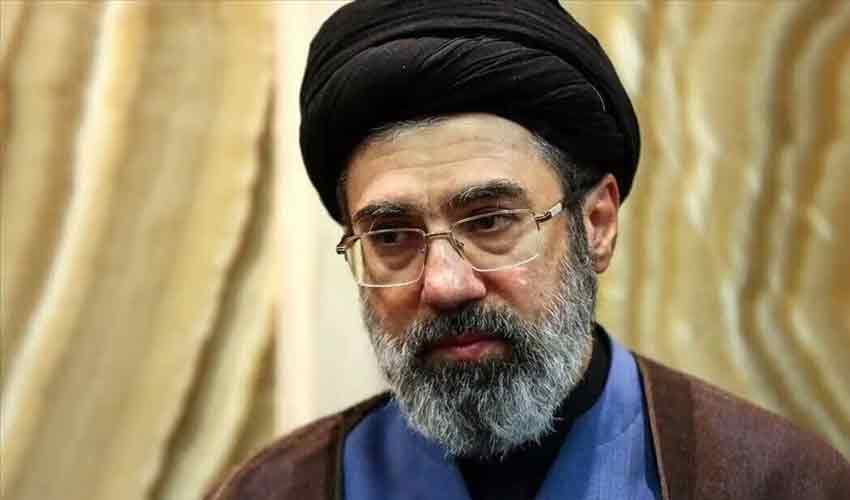
Senior Iranian sources said the directive was issued by Iran’s Supreme Leader, Ayatollah Mojtaba Khamenei, stating that the stockpile of highly enriched uranium should not be transferred abroad under any circumstances.
The move reflects deep concerns within Tehran that removing the material could expose the country to future pressure or military strikes.
Officials believe keeping the uranium inside Iran is essential for national security and strategic leverage.
US pushes for uranium removal abroad
On the other side, the United States has been pressing for Iran’s highly enriched uranium stockpile to be sent out of the country as part of any potential agreement.
Israeli officials reportedly said that U.S. President Donald Trump has assured Israel that such a condition would be included in a final deal.
Israel has maintained that any agreement must ensure the removal of enriched uranium, alongside restrictions on Iran’s missile program and regional influence.
Israeli officials, including Prime Minister Benjamin Netanyahu, have repeatedly argued that the conflict cannot be considered over unless Iran’s enriched uranium is removed and its nuclear capabilities are restricted.
Israel, the United States, and Western allies accuse Iran of seeking nuclear weapons, pointing to uranium enrichment levels of up to 60%, far above civilian requirements.
Iran, however, continues to deny any ambition to develop nuclear weapons.
Rising tensions amid ongoing conflict
The dispute comes against the backdrop of a conflict that began with U.S.-Israeli strikes on Iran on February 28, followed by Iranian retaliation against Gulf bases and regional escalation involving Hezbollah in Lebanon.
A fragile ceasefire is currently in place, but mistrust remains high. Iranian sources said there is suspicion that the pause in fighting may be a tactical move ahead of renewed attacks.
Iran has also accused the U.S. of maintaining pressure through measures including port blockades, while tensions remain high over the strategic Strait of Hormuz.
Iran’s top peace negotiator, Mohammad Baqer Qalibaf, said that both visible and hidden signals suggest preparations for further escalation, while also acknowledging that negotiations are narrowing some gaps.
However, major disagreements remain over nuclear enrichment rights and the fate of Iran’s stockpiles.
Uranium stockpile and IAEA estimates
Before the escalation, Iran had indicated willingness to export part of its stockpile enriched to 60%. However, sources say that position changed after renewed threats of military strikes.
The International Atomic Energy Agency, International Atomic Energy Agency, estimated Iran held around 440.9 kg of uranium enriched to 60% prior to the attacks on its nuclear facilities in 2025.
According to IAEA Director General Rafael Grossi, much of the remaining material is believed to be stored in underground facilities, including Isfahan and Natanz.
Iran insists that some enriched uranium is required for medical use and its Tehran research reactor.
Despite the standoff, Iranian sources suggested there may still be workable compromises, including dilution of enriched uranium under international supervision.
Officials said such options could be implemented under monitoring by the IAEA if broader security guarantees are achieved.
However, both sides continue to disagree on fundamental conditions for any final agreement.

.jpg)