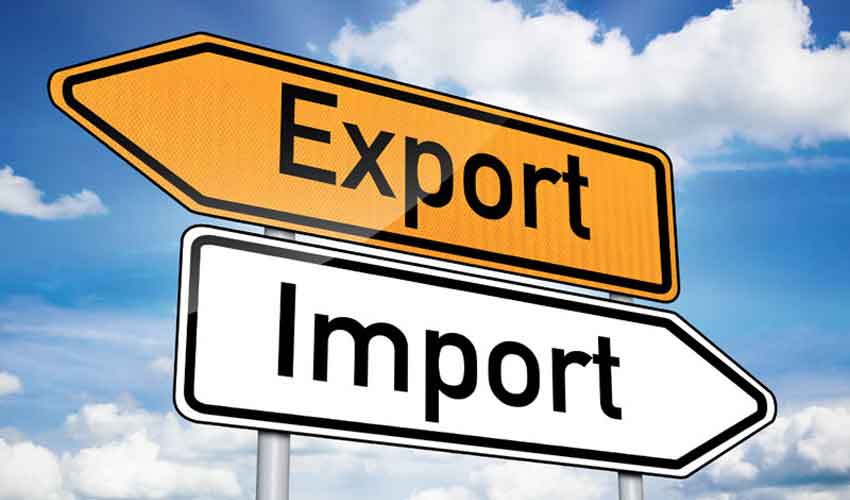
Pakistan is preparing to begin dismantling old trade barriers in the Budget 2026-27, in what officials describe as a major shift toward a more business-friendly trade regime.
The move, backed by commitments made to the IMF, is expected to gradually reduce thousands of import and export restrictions over the coming years.
Preparations have been completed to gradually remove old trade barriers in the new fiscal year budget. According to Finance Ministry officials, the first phase will eliminate 60 to 70 unnecessary restrictions.
Officials said this is only the beginning of a broader reform drive. In total, more than 2,600 barriers imposed on imports and exports will be reduced in phases, with the longer-term goal of clearing them by 2030.
IMF-backed reforms to reshape trade system
The decision to bring major changes to the country’s trade system has been made on the recommendation of the IMF. Pakistan has also assured the Fund that it will implement important reforms linked to the bailout package.
Officials said the measures are part of a wider strategy to support the economy and make doing business easier. The new budget, they added, will include steps aimed at improving the trade climate beyond tax changes alone.
Key sectors lined up for relief
The reform plan includes removing barriers in several major sectors of the economy. Among those specifically identified are textiles, pharmaceuticals, leather, chemicals and other industries.
Officials said more non-tariff barriers in various sectors will also be phased out over time. The idea is to gradually open up trade while reducing unnecessary compliance hurdles for businesses.
The new budget will set a target of reducing tariffs from 10.7% to 9.5%. Officials said the broader target is to bring the average tariff down to 7.4% by 2030.
The budget also proposes a gradual reduction in import duty. According to officials, lower duties and tariffs are expected to reduce import costs and ease pressure on businesses that depend on imported raw materials and inputs.
Vehicle regulatory duty to be cut
Among the most notable proposals is a plan to reduce regulatory duty on vehicles from 40% to zero in four years.
This phased reduction is part of the wider duty rationalisation exercise being prepared under the government’s new trade framework. Officials said the duty cuts will be implemented under the National Tariff Policy 2025-30.
Finance Ministry officials said it has also been decided to further amend the export and import policy orders by November 2026.
That means the upcoming budget is not expected to be the final step. Instead, it will launch a longer reform process that continues through future policy adjustments and phased reductions in restrictions.
Officials said Budget 2026-27 will include measures designed to make business easier. In addition to reducing taxes and duties, the government is also considering more steps to support the economy by removing outdated barriers.
They said the reduction in average tariffs should help lower import costs. At the same time, these reforms are expected to encourage exports and investment, two areas the government sees as critical for economic recovery and growth.
Final approval still pending
While the reform plan has been prepared, its final approval will come from the Cabinet Committee on Regulatory Reforms.
That means the broad direction has been set, but the formal green light is still awaited. Even so, officials are presenting the package as one of the most significant efforts in recent years to modernise Pakistan’s trade system.

.jpg)