US President Donald Trump says a peace deal with Iran may be within reach, even as tensions simmer on the ground.
With Vice President JD Vance heading to Pakistan for key negotiations, hopes for ending the six-week conflict are rising — but remain uncertain.
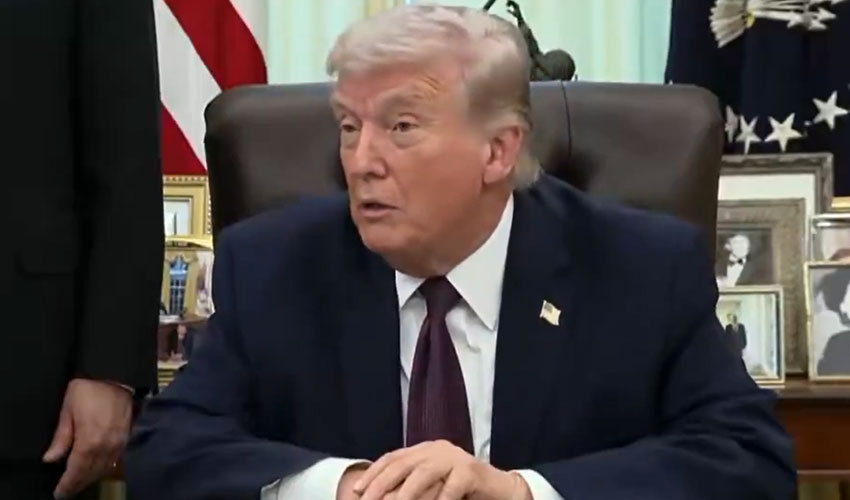
Trump said he is “very optimistic” that a deal with Iran could soon be achieved, speaking in a phone interview with NBC News. He claimed Iranian leaders adopt a more flexible tone in private discussions compared to their public statements.
“They’re much more reasonable… They’re agreeing to all the things that they have to agree to,” Trump said, adding a warning: “If they don’t make a deal, it’s going to be very painful.”
The comments come as a US delegation led by Vice President JD Vance prepares to travel to Pakistan for high-stakes talks aimed at ending the US-Israeli war with Iran.
Ceasefire shows signs of strain
Despite diplomatic momentum, the tentative ceasefire between the US and Iran is already under pressure. Israeli forces have continued strikes in southern Lebanon, targeting the Iran-backed group Hezbollah.
During a phone call on Wednesday, Trump urged Israeli Prime Minister Benjamin Netanyahu to scale back military operations to support peace efforts.
Trump later confirmed the conversation, saying: “I spoke with Bibi and he’s going to low-key it… we have to be sort of a little more low-key.”
Also Read: Iran not seeking war, won’t surrender rights: Mojataba Khamenei
“We’re going to have a very successful agreement… everything’s going to work out very good,” Trump said, according to the report.
Vice President Vance echoed similar sentiments, suggesting Israel may need to “check themselves a little bit” in Lebanon.
Israel signals talks but continues strikes
While Israeli officials have hinted at diplomacy, military actions have not fully stopped. Prime Minister Benjamin Netanyahu said Israel is ready to begin “direct negotiations” with Lebanon as soon as possible.
However, he also made it clear that operations against Hezbollah would continue.
“I insisted that the temporary ceasefire with Iran not include Hezbollah, and we continue to strike them forcefully,” Netanyahu said, adding that ties with Trump are “changing the face of the Middle East.”
His foreign policy adviser, Ophir Falk, declined to confirm any reduction in strikes, though he insisted both leaders remain in “complete agreement.”
Also Read: Lebanon asks Pakistan’s support to include country in Iran-US truce
Meanwhile, Axios reported that Israel and Lebanon are expected to begin their first round of direct negotiations next week in Washington, D.C., with ambassador-level participation from the US, Israel and Lebanon.
Iran links Lebanon to ceasefire conditions
Iranian leadership has also weighed in on the situation, stressing that stability in Lebanon is key to any lasting agreement.
President Masoud Pezeshkian and Parliament Speaker Mohammad Baqer Qalibaf have both emphasized that halting attacks on Lebanon is an essential part of the ceasefire arrangement.
Their stance highlights the broader regional stakes, where multiple fronts remain interconnected despite ongoing negotiations.
As diplomatic efforts move forward in Pakistan, the situation remains delicate. While Trump expresses confidence in a breakthrough, continued military activity and differing priorities among key players underscore how fragile the path to peace remains in the Middle East.

.jpg)