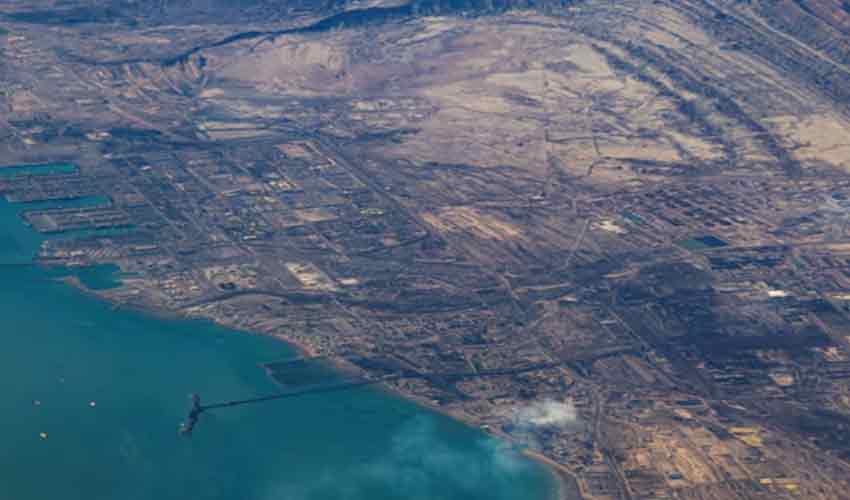
Iran has announced the closure of the strategic Strait of Hormuz, escalating tensions despite a recently agreed ceasefire with the United States and raising fresh concerns over global energy supplies.
According to Iranian state media, Tehran has effectively shut down the Strait of Hormuz in response to Israel’s large-scale attacks on Lebanon.
Authorities are reportedly treating the waterway as closed, even though a two-week conditional ceasefire with the US included provisions for reopening the critical shipping lane.
The strait, through which nearly 20% of the world’s oil supply flows, remains under tight Iranian control.
Security concerns, strict conditions
Iranian media reported fears of tunnels in certain parts of the Strait of Hormuz, adding to security concerns.
The Iranian Ports and Maritime Organization has identified alternative routes, while stating that vessels must coordinate with the Islamic Revolutionary Guard Corps (IRGC) to pass through the strait.
Also Read: Iran accuses US of ceasefire violations; Qalibaf warns deal at risk
Iran’s coast guard has warned that any ship attempting to transit without permission would be “targeted and destroyed.”
Despite the restrictions, two tankers -- the Greek-owned NJ Earth and the Liberia-flagged Daytona Beach -- managed to pass through the strait.
According to ship-tracking service MarineTraffic, these were the first vessels to transit after the ceasefire announcement, although overall traffic remains significantly reduced.
Trigger: Israeli strikes on Lebanon
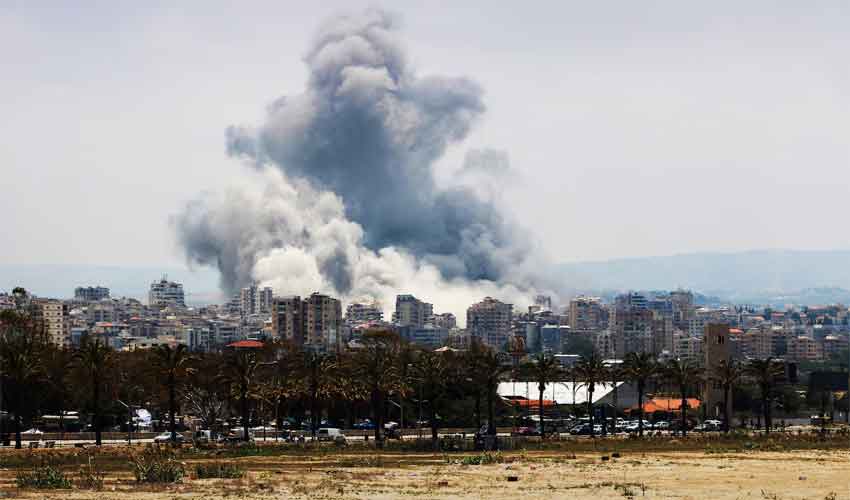
The closure comes after Israel launched extensive strikes across Lebanon, reportedly killing more than 250 people and injuring hundreds. The attacks targeted Iran-backed Hezbollah, further intensifying regional tensions despite the ceasefire between Tehran and Washington.
US President Donald Trump later clarified that Lebanon was not included in the ceasefire agreement.
Also Read: It'd be 'dumb' for Iran to jeopardise ceasefire over Lebanon: Vance
While Iranian officials insist the strait remains closed, the White House has denied the reports. Press Secretary Karoline Leavitt called the claims “false,” stating that there has been an increase in maritime traffic in the area.
However, she also emphasized that any closure of the strait is “completely unacceptable” and reiterated Washington’s demand for its immediate reopening.
Ceasefire terms and rising pressure
One of the key conditions of the US-Iran ceasefire was Iran’s commitment to allow shipping through the Strait of Hormuz, aimed at stabilizing global oil and gas markets.
The United States has urged Iran to reopen the waterway “immediately, quickly and safely,” warning of broader economic consequences. President Trump had earlier threatened severe action if Iran failed to comply with this condition.
Iranian Foreign Minister Abbas Araqchi stressed that the ceasefire terms require the US to choose between peace and continued conflict via Israel.
Also Read: US military to stay around until Iran complies with deal: Trump
“The world sees the massacres in Lebanon,” Araqchi said, adding that global attention is now on Washington’s response.
Meanwhile, at least two US Gulf allies reported being targeted by Iran, with Saudi Arabia intercepting nine Iranian drones on Wednesday.
The continued disruption in the Strait of Hormuz has already contributed to rising global energy prices, with markets closely monitoring developments.
As tensions escalate and conflicting claims persist, the situation remains fluid, with the potential to impact international trade and regional stability.


.jpg)