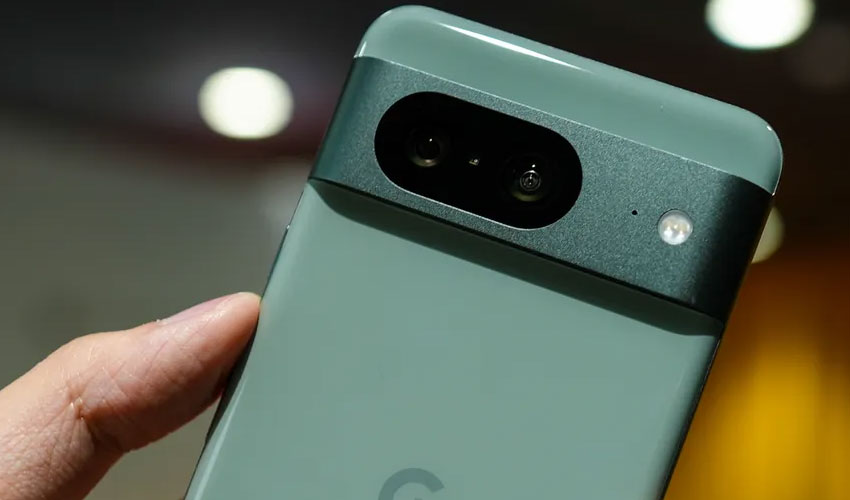
A growing number of Google Pixel 8 Pro users are facing serious connectivity problems after a recent update.
What began as isolated complaints has now turned into widespread concern, with many devices struggling to stay connected. The issue gained traction after users gathered in a megathread on Reddit, comparing experiences and identifying patterns.
Reports suggest the problem goes beyond occasional signal drops, with some devices losing Wi-Fi connectivity entirely. Users describe Wi-Fi shutting off, failing to detect networks, and refusing to reconnect even after restarts.
In several cases, Bluetooth and mobile data have also been affected, pointing to a broader system-level connectivity failure.
Common fixes fail to resolve issue
Typical solutions such as factory resets, safe mode, and beta updates have not resolved the issue.
While restarting the phone may temporarily restore connectivity, the problem often returns quickly.
What stands out is the stubborn nature of the bug. Network resets and full device wipes fail to provide lasting results.
Switching between software versions also does not fix the issue, suggesting the root cause may go beyond a simple update glitch.
Logs shared by users indicate that the Wi-Fi driver struggles to detect the expected network interface.
This points to a possible breakdown between firmware and hardware, with some devices gradually losing both Wi-Fi and Bluetooth functionality over time.
A noticeable pattern has emerged among affected users. Devices tend to connect when cold but lose connectivity as they heat up during normal use.
Some users report that cooling the phone before restarting can temporarily restore connections, suggesting heat may play a role in the issue.
Support response adds to frustration
User frustration has been compounded by support experiences. Several users report being told their devices are out of warranty, with no further investigation offered.
This has sparked backlash, as many believe the issue began after a software update rather than physical damage.
While some users have received replacements, others have been quoted expensive motherboard repairs for similar symptoms.
At the same time, support responses often claim there are no widespread reports, despite growing online documentation.
What to Watch Next
So far, there has been no official acknowledgment tied to this specific issue. Users are now closely watching upcoming updates for any fixes.
There is still uncertainty about the cause. Some users believe it is a firmware-related issue, while others suspect hardware defects that may require motherboard replacement.



.jpg)