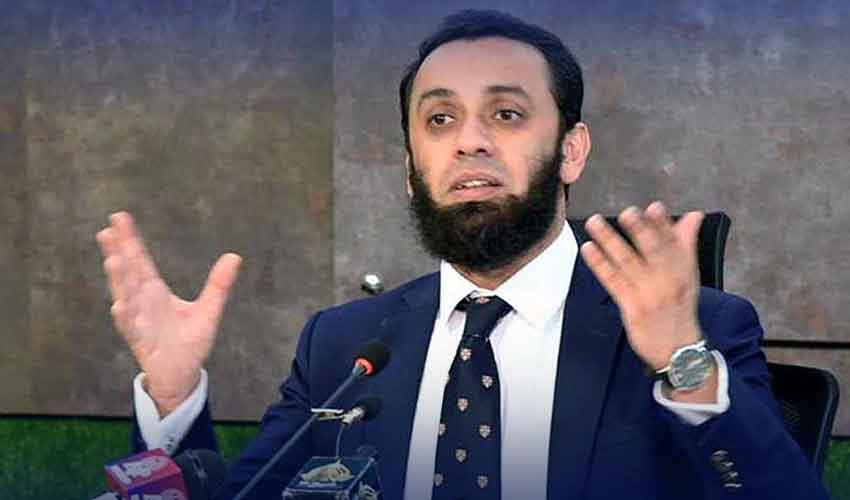
Information Minister Atta Tarar said on Saturday that when tensions began the prime minister roused the team from the first day, while oil shortages spread across the region and queues formed for petrol in other countries.
He said the government arranged supplies wherever possible, with two consignments arriving via the Strait of Hormuz and further procurement made from Fujairah, adding that no shortage emerged in Pakistan and that global prices had never risen to such levels in history.
Tarar said the prime minister stayed awake for several nights and his team worked continuously, keeping the burden of prices off the public for three weeks, and on Eid he said he would not allow people to suffer; public transport in Islamabad was made free.
He added that fare increases were also halted in Sindh, the prime minister did not yield, and regularly sought performance reports from all ministries; a digital wallet system was devised for public and goods transport, and every effort would be made to spare citizens hardship.
Musadik Malik said the entire region had remained in the grip of conflict for three to four weeks, with a storm in oil prices, while the government stood firm; Rs130 billion was cut from development projects and directed to public relief, with each rupee spent from savings to avoid placing the burden on the poor.
He said the increase in oil prices was shifted towards the wealthy, Rs1,500 per acre was set for farmers, motorcyclists received a subsidy of Rs100 per litre, and support was extended to transport, with Rs80,000 for large trucks and Rs70,000 for smaller vehicles.


.jpg)